Excavation bonds in Plymouth, Connecticut, are surety bonds that protect the town and third parties from damages caused by contractor work, ensuring compliance with local regulations. These bonds act as a financial safety net, covering repair costs for issues like damaged utilities or infrastructure without requiring the town to chase contractors.
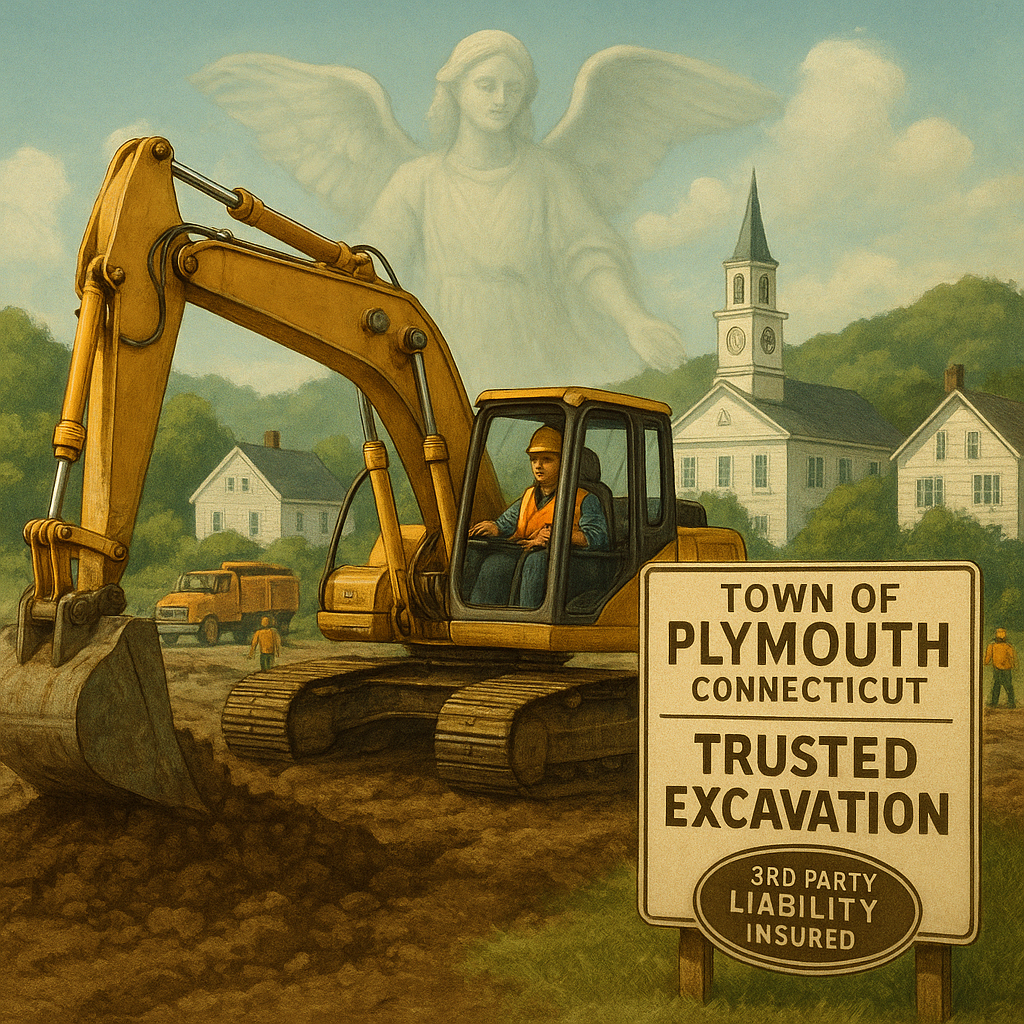
If you’re an excavation contractor working in or around Plymouth, Connecticut, you might have heard the term “excavation bond” tossed around. Maybe it came up during a permit application, or a client asked if you’re bonded. But what does it actually mean? And why does the Town of Plymouth require it? Let’s break it all down in plain English, so you can focus on what you do best—moving earth safely and efficiently—without getting tangled in paperwork.
What Exactly Is an Excavation Bond?
Think of an excavation bond as a financial safety net. It’s a type of surety bond that creates a three-party agreement. The first party is you, the excavation contractor. The second party is the Town of Plymouth, which requires the bond. The third party is the surety company that issues the bond. The bond guarantees that you’ll follow all local rules, regulations, and safety standards when you dig. If you don’t, and your work causes damage—like a cracked sidewalk, a broken utility line, or even a sinkhole—the bond steps in to cover the costs of fixing the mess, up to the bond amount.
A key phrase often attached to this requirement is “3rd Party Liability.” That simply means the bond protects someone other than you and the town—usually property owners, pedestrians, or neighboring businesses who could be harmed by your excavation work. It’s not about protecting your tools or your crew; it’s all about public safety and property protection.
Why Does the Town of Plymouth Need Excavation Contractors to Be Bonded?
Picture a quiet Plymouth street. A contractor digs a trench for a new water line. The job gets done, but a few weeks later, the pavement starts to sink. The homeowner’s driveway cracks, and a child trips on an exposed edge. Without a bond, the town might have to chase the contractor for repairs—if they can even find them. With a bond in place, there’s a guarantee that funds exist to make things right, quickly and fairly.
Plymouth, like many Connecticut towns, wants to protect its infrastructure and its residents. Excavation work can accidentally hit gas lines, weaken roadbeds, or disrupt drainage. By requiring a surety bond, the town ensures that contractors are vetted by a surety company and that a claim can be made if work doesn’t meet the town’s standards. Essentially, the bond is your promise, backed by a financial institution, that you’ll play by the rules.
Understanding 3rd Party Liability in Plain Terms
“3rd party liability” might sound like complicated insurance lingo, but it’s simple. Here’s an everyday analogy: when you rent a car, the rental company might offer you extra protection that covers damage to other people’s cars or property—not just the rental itself. That’s third-party liability. For excavation, the bond covers damage your work might cause to someone else’s property or person. If you accidentally knock over a neighbor’s fence with your backhoe, or a buried cable you cut causes a power outage at a local business, the bond can compensate those affected parties. It’s the town’s way of saying, “We trust you’ll be careful, but if something goes sideways, we won’t leave our residents holding the bill.”
Who Needs an Excavation Bond in Plymouth, CT?
Not every contractor with a shovel needs a bond. Typically, the requirement kicks in when you’re performing excavation work that goes beyond simple landscaping—think digging foundations, installing underground utilities, grading for driveways or parking lots, trenching for pipes, or any job that disturbs the soil below the surface on public property or within a public right-of-way. If you’re pulling a permit from the Town of Plymouth for this kind of work, there’s a high chance you’ll be asked for a bond.
Even private projects can trigger the requirement if the work connects to public utilities or might affect public roads. Always check with the Plymouth building department or public works before you start. They’ll tell you the specific bond amount needed, which often depends on the scope and location of the job.
How Does the Bond Actually Work? A Step-by-Step Look
Let’s walk through a real-world scenario. You’re repaving a driveway, and in the process, you damage the edge of the town-maintained sidewalk. A chunk of concrete crumbles. The town inspects the site, documents the damage, and determines it was caused by your equipment. Here’s what happens next:
- The Town Files a Claim: Plymouth contacts the surety company that issued your bond.
- The Surety Investigates: They’ll review the claim, look at the evidence, and decide if it’s valid.
- If Valid, the Surety Pays: The surety covers the cost of repairing the sidewalk up to the bond’s limit.
- You Reimburse the Surety: This is the part many contractors miss—the bond is not insurance for you. You’re ultimately responsible for paying back every penny the surety pays out. Think of it like a cosigned loan; the surety vouches for you but expects you to settle up.
That’s why it’s so crucial to do the job right the first time. A single claim can not only cost you money but also make it harder and more expensive to get bonded in the future.
How Much Does a Plymouth Excavation Bond Cost?
The cost isn’t a flat fee. It’s determined by the bond amount the town requires—say, $10,000 or $25,000—and your personal or business financial profile. You’ll pay a small percentage of that total, typically between 1% and 5% per year. So for a $10,000 bond, you might shell out just $100 to $500 annually. Contractors with strong credit and solid business histories get the best rates. If your credit is a little bumpy, you can still get bonded, but the premium might be higher.
Keep in mind that the bond amount isn’t something you pick; the Town of Plymouth sets it based on the risk of your project. Larger, more complex jobs near sensitive infrastructure will naturally require a higher bond amount.
Steps to Getting Your Excavation Bond
Getting bonded doesn’t have to be a headache. Here’s a simple roadmap:
- Confirm Requirements: Talk to the Plymouth building department. Get the exact bond form and amount they need.
- Shop for a Surety Provider: Work with a reputable surety bond agency that knows Connecticut regulations. You can go directly to a surety company or through an independent agent.
- Submit an Application: You’ll provide basic business details, and sometimes personal credit information for the owner. It’s quick—often just a one-page form.
- Receive a Quote: Within a day or two, you’ll get a quote for the premium.
- Pay and Receive Your Bond: Once you pay, the surety issues the bond. You’ll file the original document with the town.
The whole process can often be wrapped up in under 48 hours if you have your documents ready.
What Happens If You Don’t Get Bonded?
Skipping the bond isn’t like forgetting to fill out a minor form. Without it, the town simply won’t issue your excavation permit. No bond, no digging—period. If you start work anyway, you could face stop-work orders, fines, and even legal trouble. Plus, being unlicensed and unbonded can kill your reputation with homeowners and commercial clients who check for credentials. In a tight-knit community like Plymouth, word travels fast.
Common Myths About Excavation Bonds
Let’s clear up a few things that often confuse contractors:
- Myth: The bond protects my business from lawsuits. Reality: A surety bond protects the town and third parties. It doesn’t shield you; you must repay claims.
- Myth: Excavation bonds and insurance are the same thing. Reality: Insurance protects your business from losses like equipment theft or worker injuries. A bond protects the public from your mistakes.
- Myth: Only huge companies need bonds. Reality: Even a one-person operation must meet Plymouth’s bonding requirements if the job involves excavation covered by local ordinances.
Why Being Bonded Makes You a Stronger Contractor
Look past the paperwork, and you’ll see the bond isn’t just another fee—it’s a badge of trust. When homeowners in Plymouth see that you’re bonded, they understand that the town has put a financial requirement behind your work. It tells them, “This contractor has been vetted, and I have a clear path to resolution if something goes wrong.” That peace of mind can be the deciding factor when you’re bidding against an unbonded competitor. Plus, getting bonded often goes hand-in-hand with securing better insurance rates because it signals that you run a responsible business.
Keeping Your Bond in Good Standing
Once you have your bond, take care of it. Renew it on time—most bonds are annual. The town will check that your bond is active before issuing permits year after year. Also, consider keeping a small fund set aside just in case a claim ever pops up. Even a minor repair can be costly, and you don’t want a surprise bill straining your cash flow. Communicate openly with the town and your surety provider. If you know a project might be tricky because of hidden rock or old utility lines, document it. A paper trail can be your best friend if questions arise later.
The Bigger Picture: Safe Digging and Community Trust
At its core, the excavation bond requirement is about something simple: accountability. Plymouth wants its roads safe, its sidewalks intact, and its underground infrastructure untouched by careless digging. By requiring a bond, the town creates a partnership with contractors—one built on confidence and shared responsibility. Yes, it’s an extra step, but it’s a step that reassures everyone from town officials to the family living next door to your job site.
So the next time you apply for a permit in Plymouth, Connecticut, and you see that line about an excavation bond, you’ll know exactly what it means. You’re not just filling out paperwork; you’re cementing your role as a professional who respects the land, the law, and the people who call this corner of Litchfield County home.