Windsor, Connecticut requires general contractors to obtain a compliance-only excavating bond to protect the town and its residents from financial losses if contractors fail to follow municipal codes and regulations during excavation work. The bond serves as a three-way financial agreement that ensures contractors restore sites properly and cover costs for any damage or non-compliance.
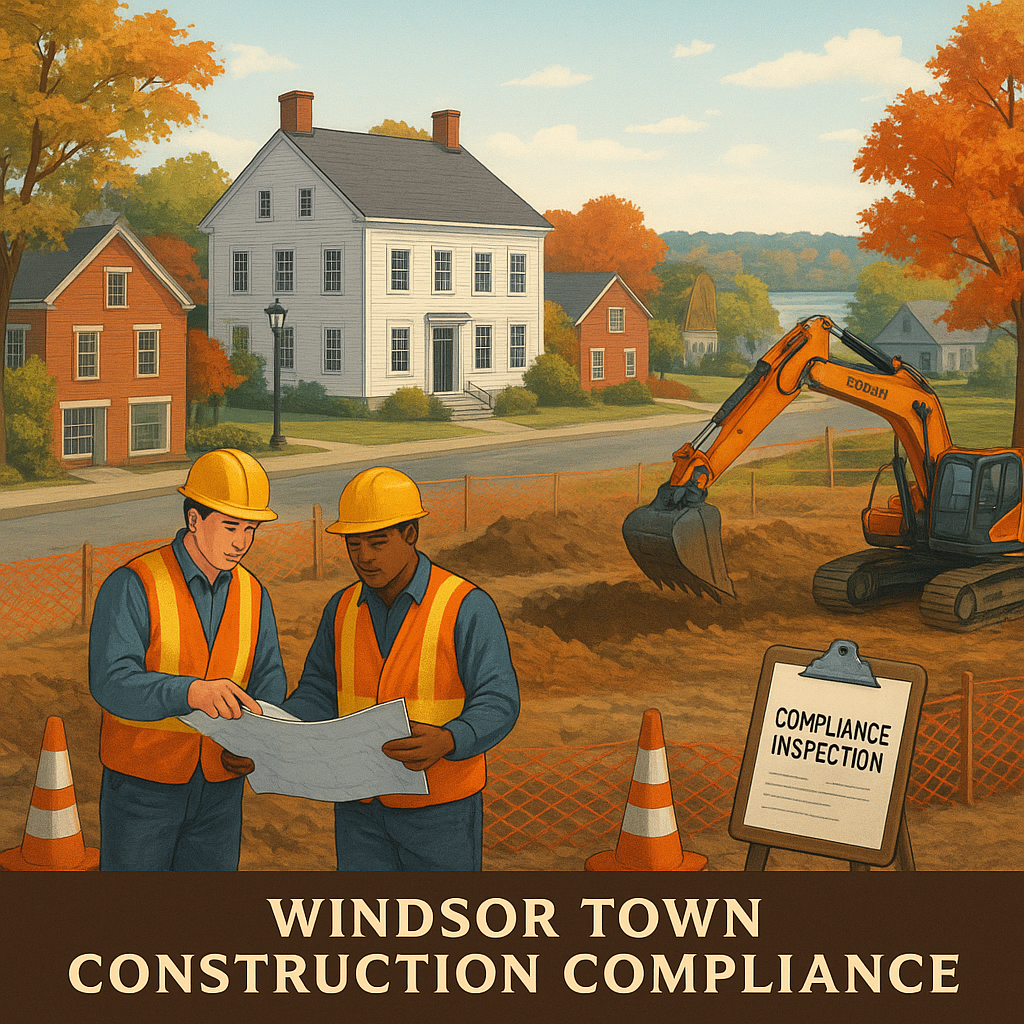
So, you’re thinking about breaking ground in Windsor, Connecticut. Maybe you’ve got a job lined up to dig a foundation, install utilities, or regrade a lot. Before you fire up that backhoe, let’s talk about something that might not be on your radar yet: the Town of Windsor’s General Contractor Excavating Bond. If you’ve stumbled across the phrase “Compliance Only” bond and felt a bit lost, you’re in the right place. We’re going to unpack the whole thing together, in plain English.
What Exactly Is a General Contractor Excavating Bond?
Think of this bond as a financial promise, not insurance for you, but a safety net for the town and its residents. When you pull an excavating permit in Windsor, Connecticut, the town wants reassurance that you’ll follow their rules. That’s where the bond comes in. It’s a three-way agreement between you (the contractor), the Town of Windsor (the obligee), and a surety company. If you fail to meet the town’s standards for excavation work, a claim can be made against the bond to cover the cost of fixing the problem.
Unlike insurance, which protects your business from accidents or lawsuits, this bond protects the public. If you cause damage to a road, don’t restore a site properly, or fail to comply with local codes, the bond funds can be used to make things right. And yes, you’ll have to pay that money back to the surety company. So it’s a serious commitment.
“Compliance Only” – What Does That Mean?
You might see this bond labeled as a “General Contractor – Compliance Only” bond. That’s not just extra paperwork jargon. It tells you exactly what the bond covers: your compliance with the town’s municipal codes, ordinances, and regulations related to excavation. It doesn’t cover your workmanship quality in a broad sense, just whether you followed the specific rules set by the Town of Windsor. It’s the town’s way of saying, “We trust you to dig, but we’re holding you accountable for keeping your promises.”
Why Does Windsor, CT Require This Bond for Excavation Work?
Imagine a quiet Windsor neighborhood. A contractor opens up a trench to run a new water line, then leaves the site with uneven pavement, silt runoff clogging a storm drain, or even a destabilized road shoulder. Who pays to fix it? Without a bond, the town might have to pull money from its own budget, meaning taxpayers foot the bill. The excavating bond requirement shifts that risk onto the contractor. It’s Windsor’s proactive way of preserving infrastructure, protecting property values, and keeping everyone safe.
Excavation is inherently risky. You’re digging around underground utilities, potentially altering drainage patterns, and working close to public rights-of-way. The town’s engineering or public works department wants to know that even if something goes wrong, there’s a financial mechanism ready to step in without lengthy legal battles.
Who Needs to Obtain This Bond in Windsor?
Not every handyman with a shovel needs one. Generally, any general contractor or excavating contractor who is required to obtain a permit for ground-disturbing activities within the Town of Windsor will need to secure this bond. This could include:
- Site preparation for new home construction
- Trenching for sewer, water, or gas lines
- Digging for swimming pools
- Grading and drainage improvements
- Road or driveway cuts within town property
If you’re unsure, the best move is to call the Windsor Building Department or Public Works Department directly. They’ll tell you the specific bond amount you need to post. It often varies depending on the scale and complexity of your project. A small residential driveway culvert replacement might require a much smaller bond than a large commercial subdivision excavation.
How Does the Bonding Process Work Step by Step?
Let’s walk through a typical scenario. You’ve won a bid to install a septic system on a property. The Windsor building official tells you a $10,000 compliance bond is required before you can get your permit. Here’s your roadmap:
1. Talk to the Town First
Get the exact bond form or language they require. Windsor likely has a specific bond form that must be used. Don’t just buy a generic bond online without confirming the town will accept it. The form will name the “Town of Windsor” as the obligee and specify the bond amount.
2. Apply Through a Surety Bond Agency
You’ll work with a surety bond company or an insurance agent who handles surety. You’ll provide basic business and personal information, and the surety will run a quick credit check. For most small to medium bonds, the underwriting is straightforward and fast.
3. Pay a Small Percentage of the Bond Amount
Here’s the part contractors love to ask about: “What will I actually pay?” You don’t pay the full bond amount upfront. You pay a premium, typically between 1% and 10% of the total bond sum. For someone with good credit and a solid business history, a $10,000 bond might cost as little as $100 a year. If your credit is rough, don’t panic—options still exist, though the rate might be higher.
4. Sign the Bond and File It
Once issued, you’ll sign the bond and file it with the Town of Windsor. Keep a copy for your records. The bond often stays on file until the project is completed and the town releases you, sometimes after a final inspection. For annual blanket bonds covering multiple jobs, you’ll renew each year.
What Does It Cost and What Determines That Price?
The premium you pay depends on a few key factors. The bond amount is set by Windsor, but your own financial story determines the rate. Surety companies look at:
- Personal credit score: This is the biggest driver. Good credit means a low rate.
- Business financials: For larger bonds, they may ask for bank statements or proof of liquidity.
- Experience and track record: A long history of complying with municipal rules makes you less risky.
- Bond amount: Larger bonds equal larger premiums in total dollars, even if the percentage is low.
It’s helpful to think of the premium as a fee for borrowing the surety’s financial backing. You’re saying, “I’m good for this $10,000 promise,” and the surety says, “We’ll vouch for you for $100.”
Avoiding Costly Claims: Best Practices for Excavators
A bond claim can be a headache you don’t need. Not only does the surety come after you for reimbursement, but it can also make it harder and more expensive to get bonded in the future. Here’s how to protect yourself:
Know Windsor’s Rules Inside Out. Grab a copy of the town’s street opening, grading, and erosion control ordinances. If you’re unclear on anything, schedule a pre-construction meeting with the town engineer. A thirty-minute conversation can save you thousands.
Document Everything. Take before and after photos of the work site. Keep written records of any instructions from inspectors. If a town official tells you verbally that something is okay, follow up with an email summarizing the conversation.
Don’t Skip the Final Inspection. This is where many claims start. Once you finish backfilling, schedule the inspection promptly. Get a written sign-off if possible. An open permit with unresolved restoration is a ticking clock for a complaint.
Train Your Crew. Make sure everyone on site understands why you’re taking extra care with silt fences, trench safety, and site cleanup. A simple misstep by a tired laborer at the end of the day can cause a claim.
Common Questions We Hear from Windsor Contractors
“I already have a state contractor license. Is that enough?” Great question, but no. The Connecticut state license demonstrates your competency, while the Town of Windsor excavating bond deals specifically with local compliance and property protection. They serve different purposes, and you’ll likely need both.
“Can I use cash or a letter of credit instead of a surety bond?” Some municipalities allow alternatives, but Windsor’s regulations typically call for a surety bond. Always check with the town. A letter of credit ties up your bank funds, whereas a bond leaves your cash free for payroll and materials, making it a more attractive option for most contractors.
“What if a claim is filed unfairly against me?” You have rights. The surety will investigate. If you believe the claim is unjustified, provide your documentation. The surety isn’t going to pay out a fraudulent claim lightly, because they’d have to chase you for the money. But if the town provides evidence of non-compliance, you’ll need to resolve the situation quickly.
The Bigger Picture: Strengthening Your Business with Bonds
Sure, bonds might feel like one more hoop to jump through. But let’s reframe it. Having the ability to easily secure a Windsor excavating bond shows your customers and the town that you’re a legitimate, trustworthy operator. It places you in a smaller pool of contractors who can take on permitted work without a fuss. It’s a competitive advantage, even if it doesn’t always feel like one during the application process.
When you show up to a project in Windsor with your bond in hand and a clear understanding of what’s expected, you’re signaling that you respect the community you’re working in. That reputation leads to referrals, repeat business, and fewer inspector stand-offs. Not a bad deal for a premium that might cost less than a tank of fuel for your excavator.
Getting Started Today
Ready to tackle that Windsor project? Start by calling the town to confirm your bond amount and form requirements. Then, reach out to a surety bond professional who works with Connecticut contractors. They can usually provide a quote within minutes and have the bond ready within 24 to 48 hours. Don’t wait until the day before your project launch; a little advance planning keeps your schedule on track.
Excavating is tough, rewarding work. The bond just ensures that when you leave a site, you’re leaving it the way Windsor expects—safe, compliant, and ready for whatever comes next. Now go dig that hole, the right way.