Street excavation bonds in Wethersfield, CT, serve as financial guarantees that contractors restore public roads, curbs, and sidewalks to town standards, protecting taxpayers from costly repairs. These bonds, required before any digging, ensure proper depth, compaction, and paving, with amounts varying by project size and location.
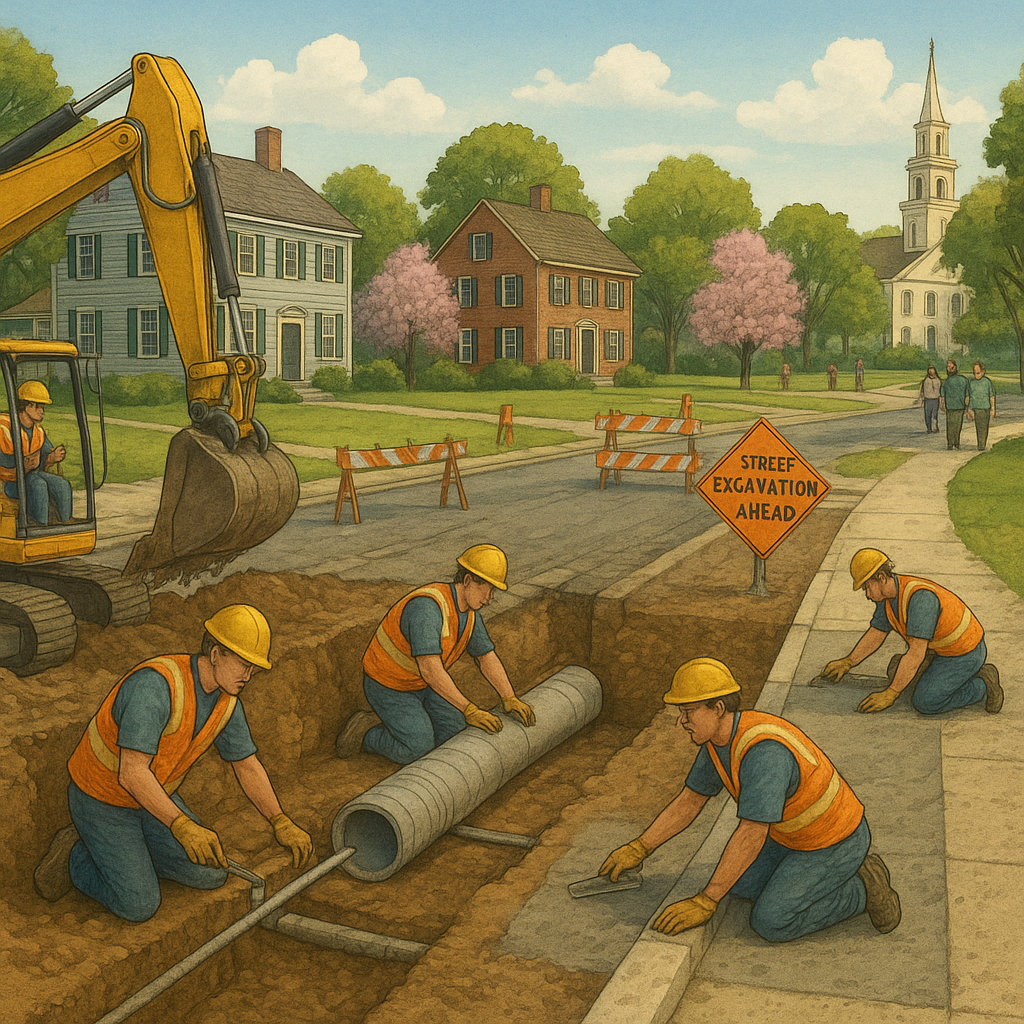
If you’ve ever watched a crew tear up a road in Wethersfield, Connecticut, you’ve probably noticed a whole lot more going on than just jackhammers and asphalt. Behind the scenes, there’s a paperwork dance that protects everyone—homeowners, contractors, and the town itself. You might hear terms like “street excavation bond,” “drain layer bond,” or “curb and walk layer’s bond.” They sound official, maybe a bit dry, but they’re basically promises written in dollars. So let’s unpack what these bonds mean, why they exist, and how they keep Wethersfield’s streets, sidewalks, and drains safe for all of us.
Why Bonds Matter When You Dig Into a Street
Think of a bond as a security deposit you might put down when renting an apartment. If you leave the place a mess, the landlord keeps your deposit to fix the damage. A municipal bond works much the same way. When a contractor or homeowner wants to excavate a public road, curb, or walkway, the Town of Wethersfield requires a financial guarantee. This ensures the work area gets restored properly—not just dumped and forgotten. It’s a safety net that keeps our neighborhoods looking good and functioning well.
Without these bonds, the town might have to chase after people for sloppy backfilling, cracked sidewalks, or poorly connected drains. That’s nobody’s idea of a fun afternoon. By requiring a bond upfront, Wethersfield makes sure the project doesn’t leave behind a lasting headache.
Street Excavation Bond: A Promise the Road Will Be Whole Again
At its heart, a street excavation bond is all about the road itself. Maybe you’re putting in a new water line, fixing a sewer connection, or running fiber optic cable. Any time you cut into a public street, you’re disturbing layers that were carefully engineered to handle traffic, New England winters, and the occasional heavy truck. Patching it up isn’t just slapping on some cold patch and calling it a day. The town wants to see a restoration that meets specific depth, compaction, and paving standards.
The bond amount is set by the town’s engineering or public works department. It usually reflects the size and location of the excavation. A small trench across a quiet residential lane might require a bond of a few thousand dollars. A major opening on the Silas Deane Highway? That number jumps up because the risk and repair costs are higher. If the contractor does everything correctly and passes inspection, the bond gets released. If not, the town can use those funds to hire someone else to fix it right. Simple as that.
What Happens Without a Bond?
Picture this: a utility company cuts a neat rectangle out of the street in front of your house. They finish their work, toss in some gravel, and tamp it down casually. A few months later, that patch sinks into a pothole the size of a kiddie pool. Every car that hits it sends a jolt through the neighborhood. Without a bond, who pays for the proper repair? You, the taxpayer. The bond requirement shifts that responsibility back where it belongs—to the person who broke the street in the first place.
Drain Layer Bond: Keeping Water Where It Belongs
Water is a sneaky force. It finds every crack and weak spot. In Wethersfield, with its mix of older homes and newer developments, proper drainage isn’t optional—it’s essential. A drain layer bond applies to anyone connecting a building’s sewer or storm drain to the town’s main lines. The “drain layer” is the licensed professional who physically does this work. Their bond assures the town that they’ll follow code, use proper materials, and not accidentally damage the public drainage system.
Ever had a basement flood because a neighbor’s poorly connected drain overwhelmed the system? That’s the kind of nightmare this bond helps prevent. It covers work like setting the correct slope, sealing joints, and avoiding cross-connections that could contaminate clean water. If the drain layer botches the job, the bond money steps in to fund corrections without leaving the town holding the bag.
Right-of-Way and Why It Changes the Game
You’ll often see “drain layer – right of way” tagged onto permits. The right-of-way is the strip of land the public has access to, even if it looks like part of someone’s front lawn. It usually extends beyond the edge of the road and includes sidewalks and the grassy verge. When drainage work happens in this space, the bond covers any disturbance to the public realm. So whether a contractor is replacing a sewer lateral that runs under the sidewalk or installing a new catch basin at the curb, they’re working in sacred territory. The bond says, “I respect this shared space, and I’ll make it whole again.”
Curb and Walk Layer’s Bond: The Sidewalk Story
Sidewalks and curbs are the unsung heroes of a walkable town like Wethersfield. They take a beating from tree roots, freeze-thaw cycles, and daily foot traffic. When someone needs to replace a curb cut, repair a damaged sidewalk square, or install a new walkway, they need a curb and walk layer’s bond. This is separate from roadwork because the materials and techniques are different. Concrete finishing is an art, and a botched pour can leave trip hazards that last for decades.
The bond ensures that the new concrete matches the town’s specifications for thickness, slope, and finish. No one wants a sidewalk panel that tilts into a mini-lake every time it rains, or a curb that crumbles after one winter. If the finished work doesn’t meet the mark, the bond funds a redo. Walkers, joggers, and kids on bikes all benefit—and so does your property value.
How the Process Works in Wethersfield, CT
So you’ve got a project that touches the street, a drain, or a sidewalk. What’s the step-by-step? First, you or your contractor visits the Wethersfield Town Hall, usually the Engineering or Public Works Department. You’ll fill out an application explaining what you want to do and where. A plan might be required, especially for bigger jobs. The town then reviews it and calculates the necessary bond amounts. Often a single project needs two or all three bonds—don’t be surprised if your kitchen addition’s sewer line upgrade triggers a drain layer bond, a street excavation bond, and a curb and walk bond in one go.
Once the bonds are secured (often through an insurance company or a cash deposit), the work can begin. A town inspector will visit at key stages: before the trench is backfilled, after the gravel base goes in, and when the final pavement or concrete is placed. If everything passes, the bonds are returned or canceled. The whole process feels a little bureaucratic, but it’s designed to protect everyone from long-term grief.
Practical Tips for Homeowners and Contractors
If you’re hiring a contractor, ask them point-blank: “Do you carry the required bonds for Wethersfield, or do I need to arrange them myself?” Many experienced local contractors already have blanket bonds on file with the town. That can save you a trip to the bonding agent. If you’re doing the work yourself as a homeowner, you’ll likely need to provide a cash bond. The amount varies, so don’t guess—call the town first. A quick phone call can save you from a stop-work order halfway through the project.
Another tip: take photos before, during, and after the work. If there’s ever a dispute about whether you restored the area properly, those pictures are worth more than a thousand emails. And remember, weather matters. Wethersfield’s freeze-thaw cycles can wreck fresh concrete if it’s poured too late in the season. Plan accordingly and use the bond timeline to your advantage—complete the work, get inspected, and get your bond released before winter hits.
Common Questions People Ask
- Do I really need a bond for a tiny patch of sidewalk? Yes, usually. The town wants to ensure even small repairs meet code. It might seem like overkill, but one uneven square can become a lawsuit waiting to happen.
- How much does a bond cost me out of pocket? If you go through an insurer, you’ll pay a fraction of the total bond amount as a premium—often 1–3% depending on credit and history. For a $5,000 bond, you might only spend $100–$150 on the premium.
- What if I skip the bond altogether? You’ll likely face fines, a stop-work order, and the possibility of being billed for any damage caused. The town takes right-of-way integrity seriously, and the long-term costs of doing it illegally far outweigh the upfront paperwork.
- How long does the bond last? It typically remains in effect until the town formally releases it, often after a final inspection and sometimes a waiting period (like one year for street settlements). Patience is part of the process.
Connecting the Dots: Community and Responsibility
Behind all this bond talk is a very human idea. Wethersfield isn’t just a collection of houses and roads—it’s a place where people walk their dogs, push strollers, and grab coffee at the center. The street outside your home is shared. So is the storm drain that carries rain away and the sidewalk that connects neighbors. These bonds might seem like red tape, but they’re really threads in a social contract. They say, “I’ll dig here, but I’ll also make it right.” When everyone follows that rule, the whole town wins.
Next time you see a construction crew on a Wethersfield street, you’ll know there’s more than just dust and noise. There’s a quiet financial promise riding on every bucket of asphalt and every bag of concrete. And that promise helps keep our town safe, beautiful, and wonderfully connected.