Windsor, Connecticut has updated its street excavation compliance rules, tightening requirements for contractors around bonding, permits, and restoration quality. The changes aim to protect public infrastructure and ensure contractors meet higher standards for street cuts.
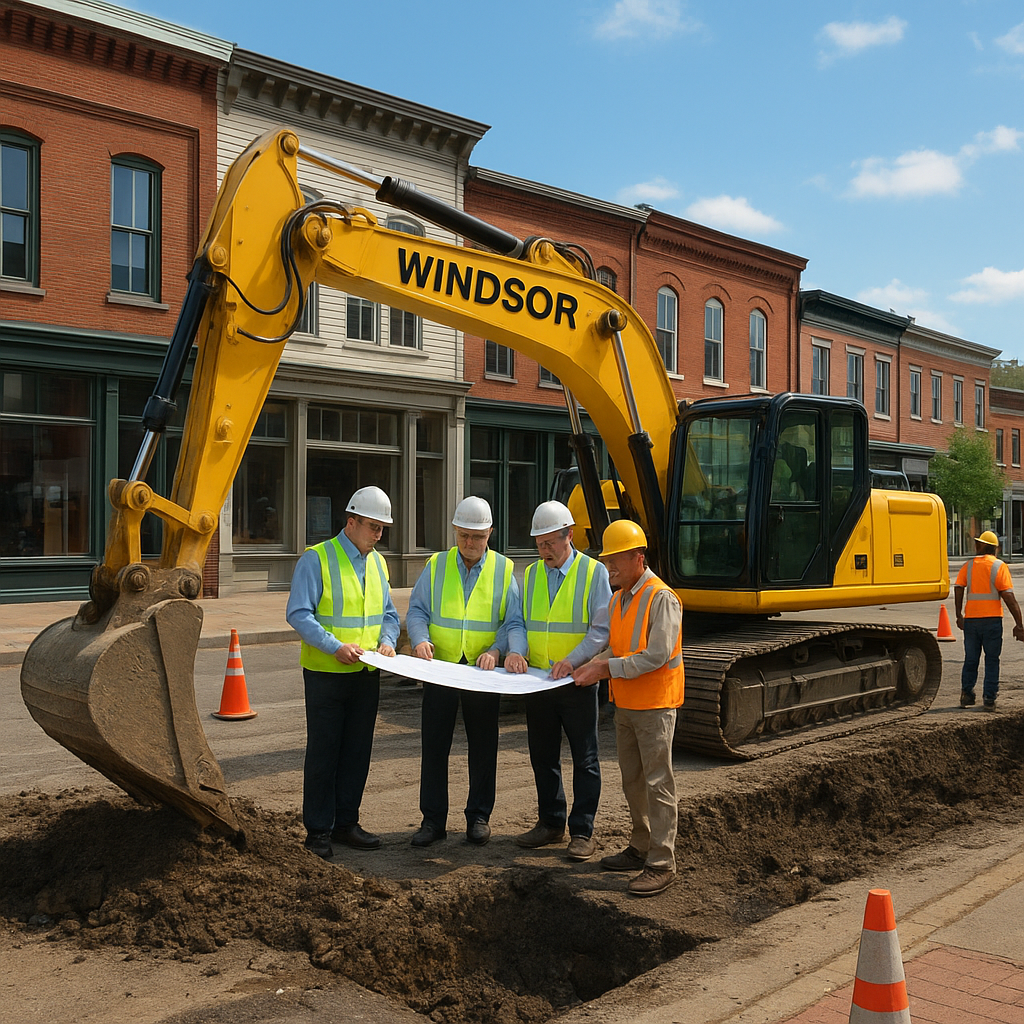
If you’re a contractor who digs up streets in Windsor, Connecticut, you’ve probably heard the rumblings. No, not the sound of a backhoe tearing through asphalt—I’m talking about the recent updates to the town’s street excavation compliance rules. Whether you’re a seasoned excavator or just starting to bid on municipal work, understanding these changes is critical. It’s not just about avoiding fines; it’s about keeping your business running smoothly and your reputation solid.
Why Windsor Is Paying Close Attention to Street Cuts
Think of a town’s roads like the veins in your body. When they’re healthy, traffic flows, emergency vehicles get through, and everyone’s happy. But every time a contractor opens up the pavement to repair a water main, install fiber optic cables, or fix a sewer line, it’s like a small incision. If that incision isn’t closed properly, you end up with potholes, sinking patches, and long-term damage. Windsor wants to make sure every street cut heals perfectly, and that’s where the street excavation compliance updates come in.
The town recently refined its rules to protect public infrastructure, minimize disruptions, and ensure taxpayer money isn’t wasted on preventable road decay. For contractors, this means a sharper focus on bonding, permits, and restoration quality. If you’re wondering, “What does this actually mean for my day-to-day work?”—you’re in the right place.
The Heart of the Matter: The Street Excavator Excavating Bond
At the core of Windsor’s compliance framework is something called a Street Excavator Excavating Bond. It might sound like a mouthful, but the concept is simpler than you think. Let’s break it down together.
A street excavator bond is essentially a promise—a financial guarantee you provide to the town. By securing this bond, you’re telling Windsor, “If I cut open your street and don’t restore it to the required standard, you can use this money to fix it.” It’s like a security deposit on an apartment, but instead of covering scuffed floors, it covers cracked pavement and subpar compaction.
How Does the Bond Protect Everyone?
You might be asking, “Is this just another hoop to jump through?” Fair question. But look at it from the town’s perspective. They’re entrusting a public asset—roads paid for by residents—to a private company. If that company does a poor job and then disappears, taxpayers foot the bill. The bond ensures that doesn’t happen. For you, the contractor, having a bond also boosts your credibility. It signals that you’re serious, financially stable, and committed to doing the job right.
What’s New in Windsor’s Compliance Updates?
While Windsor has always required permits for street excavation, the recent updates tighten the screws in a few key areas. The goal isn’t to make life harder for honest contractors, but to weed out bad actors and standardize the restoration process. Let’s walk through the most important changes so you can stay ahead of the curve.
1. Stricter Bond Requirements
The town now mandates that street excavating contractors hold a valid Street Excavator Excavating Bond in amounts that reflect the scope of work. For smaller patch jobs, the bond limit might be lower, but for larger infrastructure projects, you’ll need more coverage. Windsor has updated its bond thresholds to better match the potential risk. It’s wise to double-check the latest figures with the town clerk’s office before you pull a permit.
2. Enhanced Trench Restoration Standards
Remember that analogy about veins and incisions? Windsor is now paying extra attention to the “healing” part. The town has outlined more detailed specifications for backfill material, compaction testing, and temporary patching. You can’t just toss some cold patch in the hole and call it a day. The updated rules require proper compaction in lifts, use of specified gravel, and a final surface that matches the surrounding pavement seamlessly. If your crew skips steps, the bond claim process can be triggered.
3. Clearer Permit Timelines and Renewals
Under the old system, permit renewals could get a bit fuzzy. Some jobs lingered with open excavations longer than anyone liked. Now, Windsor has introduced strict timelines. Your permit will have a clear expiration date, and if you need more time, you must apply for an extension before that date passes. This prevents roads from looking like a construction zone indefinitely and keeps traffic flowing. It also means you’ll need to plan your project schedule more carefully.
4. Increased Inspections and Documentation
A town inspector might now visit your site more than once—during the excavation, after backfill, and after final restoration. You’ll also need to document your work more thoroughly. That could mean taking photos, keeping material delivery tickets, and filing post-work reports. Think of it as a “prove-you-did-it-right” file. If a pothole appears six months later, you’ll want that evidence to show you followed the rules.
Who Needs to Worry About These Changes?
The short answer: almost anyone who opens the ground in Windsor’s public right-of-way. This includes utility contractors, site developers, paving companies, and even landscapers installing irrigation lines under a sidewalk. If your project involves cutting into a town street, alley, or sidewalk, the updated street excavation compliance rules apply. If you’re only working on private property and never touch public roads, you can breathe a little easier—though a utility connection near the curb might still trigger the requirement.
Are There Any Exceptions?
Emergency repairs often follow a slightly different path. If a water main bursts at 2 a.m., you don’t have time to wait for a permit. But Windsor still expects you to notify the town as soon as possible and secure the proper permits and bonds retroactively. Skipping the bond entirely because it was an emergency is not a loophole. The town will catch up with you, and that can lead to fines or even suspension from future work.
How to Stay Compliant Without Losing Your Mind
Okay, so rules have tightened. That doesn’t mean your job has to become a bureaucratic nightmare. With a little organization, you can glide through the process and build a sterling reputation. Here are some practical steps to keep your projects on track.
Get Your Bond in Order Early
Don’t wait until the day before digging to sort out your Street Excavator Excavating Bond. Contact a surety bond provider who knows Connecticut municipal requirements. They can guide you on the exact bond amount Windsor requires for your project size. The cost is typically a small percentage of the total bond amount, and you can often wrap it into your project bid. Think of it as insurance that works for both you and the town.
Train Your Crew on the New Standards
Your foreman might have been doing this for twenty years, but if they haven’t brushed up on Windsor’s latest compaction specs, you’re at risk. Hold a brief training session. Print out the updated restoration details and keep them in your truck. When everyone knows what the inspector will be looking for, you’ll avoid costly rework and bond claims.
Communicate with the Town’s Engineering Department
I can’t stress this enough. The town’s engineers aren’t your adversary—they want the roads to last, just like you want your work to last. Ask questions before you start. Clarify which trench detail applies to your project. If something unexpected comes up underground, shoot them an email or make a call. Document that communication. It can save you a headache later.
Build a Compliance Calendar
With permit expiration dates now rigidly enforced, a simple calendar reminder can keep you out of trouble. Set alerts a week before your permit expires. If your job is running behind, submit that extension request before it’s an emergency. This small habit can prevent work stoppages and heated phone calls.
What Happens If You Don’t Comply?
Let’s be realistic: mistakes happen. But ignoring the rules deliberately can cost you dearly. Windsor has a few enforcement tools, and they’re not shy about using them. First, you could face daily fines for working without a valid permit or letting a permit expire. Those fines add up fast and can eat your profit margin alive.
Second, the town can make a claim against your bond. That means the surety company pays for the repairs, and then they come after you for reimbursement. A bond claim can also damage your ability to get bonded in the future—making it harder to bid on other municipal jobs. In the worst-case scenario, the town can revoke your right to work in Windsor altogether. Your reputation would take a hit, and word travels fast in the contracting community.
The Bigger Picture: Why Compliance Builds Better Business
It’s easy to view these updates as red tape, but stepping back reveals a different story. When every contractor follows the same high standards, the roads last longer, residents complain less, and the town can spend its budget on new projects instead of patching shoddy old work. For the contractor who plays by the rules, that means a more predictable bidding environment and a competitive edge. Homeowners and businesses notice when you leave a neat, durable patch behind. That leads to word-of-mouth referrals and repeat work.
So, while “Windsor Town Street Excavator Excavating Bond” might not be the most thrilling phrase, it represents something valuable: trust. And in the construction world, trust pays better than cutting corners ever will. If you’re a contractor in Connecticut, especially around Windsor, now is the time to revisit your compliance checklist. Reach out to the town, dust off your bond paperwork, and make sure your team is ready to dig—the right way.
When you treat compliance not as a hurdle but as a foundation, your business stands on solid ground. And after all, solid ground is exactly what we’re all trying to create.