Excavation contractors working in Fairfield, Connecticut must secure a compliance surety bond before obtaining permits to dig, ensuring they follow local ordinances and protecting the town’s infrastructure and public property. This guide explains the bond’s purpose, cost, and application process for both new and seasoned contractors.
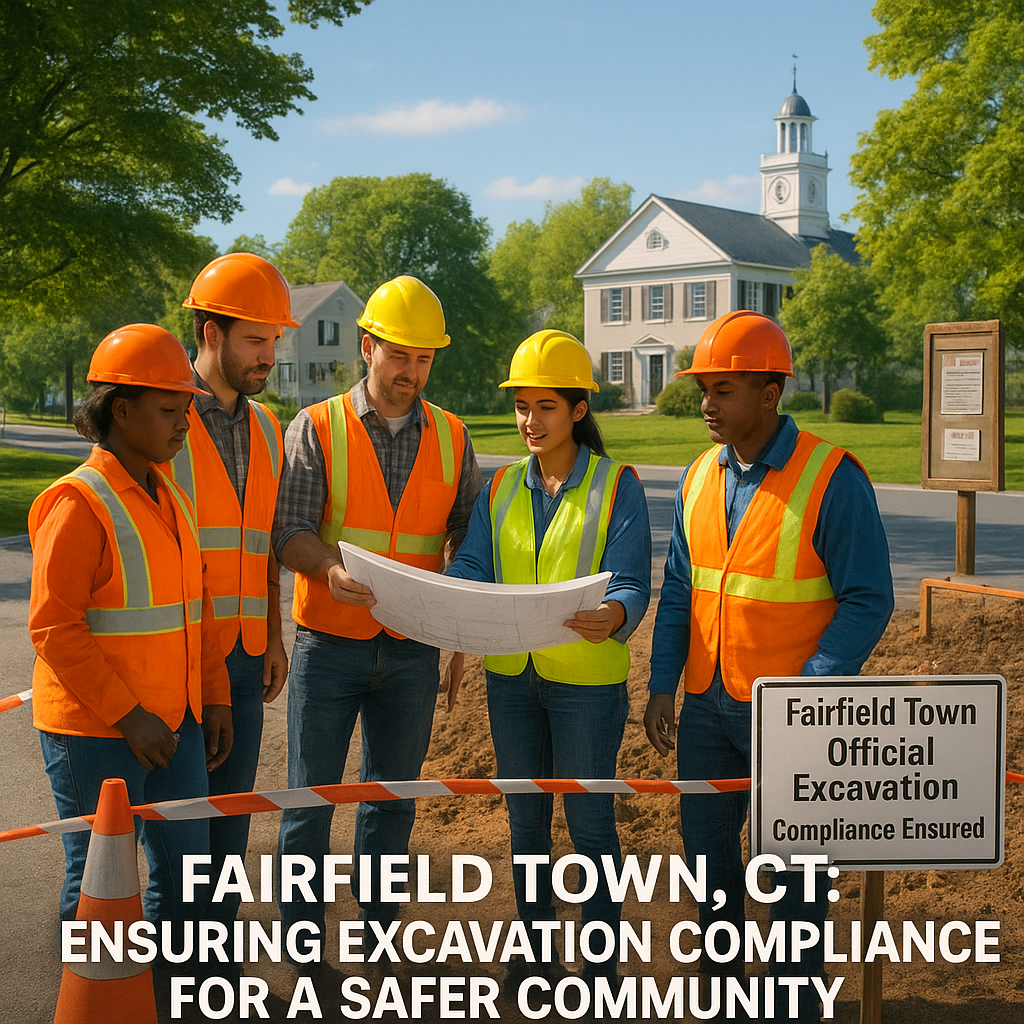
If you’re an excavation contractor working in Fairfield, Connecticut, you’ve probably heard about something called an excavator bond. Maybe a town official mentioned it, or you spotted it on a permit application. At first glance, it can feel like just another bureaucratic hoop to jump through. But here’s the good news: understanding this requirement isn’t complicated once you break it down. Think of it as a handshake agreement with the town—one that has a financial backbone to make sure everyone plays by the rules.
In this post, we’ll walk you through exactly what the Town of Fairfield expects, why this bond exists, how much it costs, and how you can get one without pulling your hair out. Whether you’re a seasoned pro or just starting your excavation business, this guide will give you the clarity you need.
What Exactly Is an Excavator Bond?
Let’s strip away the jargon. An excavator bond, sometimes called an excavation contractor bond or a compliance bond, is a type of surety bond. It’s not insurance for your equipment or your crew—it’s a promise to the town that you’ll follow all the local rules when you dig.
Imagine you’re borrowing a neighbor’s fancy lawnmower. They might ask for a small deposit, just in case you damage it. The excavator bond works kind of like that deposit, except instead of cash upfront, a bonding company vouches for you. If you mess up—let’s say you accidentally hit a utility line and don’t fix it properly—the bond money can be used to make things right. You’ll still be responsible for paying it back, but the town and the public are protected in the meantime.
In Fairfield, this bond is strictly a compliance bond. That means its sole purpose is to guarantee that you’ll adhere to the town’s ordinances, codes, and safety requirements. It’s not a license bond, and it doesn’t replace your contractor’s license. It’s another layer of accountability, one that helps keep everyone’s property and the town’s infrastructure safe.
Who Needs an Excavator Bond in Fairfield, Connecticut?
Short answer: if you’re an excavation contractor planning to dig within the Town of Fairfield’s jurisdiction, you almost certainly need one. The bond is required before you can obtain a permit for excavation work. This applies whether you’re digging a foundation for a new home, trenching for utility lines, grading a commercial lot, or doing any other work that disturbs the earth.
The town is specific about this. The bond is often referred to as the “Town of Fairfield CT Official Excavators Bond.” If you see that language on a permit application, you know what you’re dealing with. It’s not a generic statewide bond—it’s tailored to Fairfield’s own ordinances. So even if you already hold a bond for another Connecticut municipality, you’ll likely need a separate one for Fairfield. Each town has its own rules, and Fairfield takes its infrastructure integrity seriously.
Are you a subcontractor on a larger project? The requirement can still fall on you if your name is on the permit. It’s always best to check with the town’s engineering or public works department before you start any excavation. They can tell you exactly what’s needed for your specific project.
Why Does the Town of Fairfield Require This Bond?
It’s easy to see requirements like this as just another fee, but there’s a solid reason behind them. Fairfield is a community with an extensive underground network—water mains, sewer lines, gas pipes, fiber optic cables, and more. One wrong move with a backhoe can knock out internet for a whole neighborhood or, worse, create a dangerous gas leak. The bond serves as a financial incentive for contractors to work carefully and fix any damage they cause.
Beyond the immediate safety concerns, the bond also protects the town’s roads, sidewalks, curbs, and drainage systems. If you cut into a street to lay pipe and don’t restore the pavement to the town’s specifications, the bond provides a way for the town to fund the repairs without taxpayer dollars. Think of it as a safety net that keeps public funds from being used to correct private mistakes.
For contractors, this might sound like the town is being overly cautious, but in practice, it builds trust. Homeowners and business owners feel more comfortable hiring a bonded excavator because they know there’s a layer of financial protection. It signals that you’re a legitimate operator who stands behind your work.
How Does an Excavator Bond Work in Real Life?
Let’s walk through a typical scenario so you can see the bond in action. Picture this: you’re digging a foundation for a new house. During the excavation, you accidentally hit an old, unmarked storm drain. Water backs up and floods a neighboring property. The town steps in, inspects the damage, and determines that you were at fault because you didn’t use proper potholing techniques to locate the drain.
At this point, the homeowner whose property was flooded can file a claim against your bond. The bonding company will investigate. If the claim is valid, they’ll pay out up to the bond amount to cover the repairs—say, $10,000. Here’s the crucial part: you’re still on the hook for that $10,000. The bonding company will then come to you for reimbursement, plus any legal costs they incurred. This is why it’s not insurance. Insurance spreads risk among many policyholders; a surety bond is more like a line of credit that you must repay.
In reality, most bonded contractors in Fairfield never have a claim filed against them. The bond simply sits there as a quiet guarantee. But if something does go wrong, it’s a far better alternative than being sued directly and facing immense out-of-pocket costs overnight.
What’s the Cost of an Excavator Bond in Fairfield?
Now for the number everyone wants to know. The bond amount required by the Town of Fairfield is typically set at a specific sum—commonly $10,000, though it can vary based on the project scope. You don’t pay the full $10,000 to get bonded. Instead, you pay a small percentage, called the bond premium. For well-qualified applicants, this premium is often 1% to 3% of the bond amount. So for a $10,000 bond, you might pay only $100 to $300 for a one-year term.
Several factors influence that premium. The bonding company will look at your personal credit score, your business financials, and your experience in the field. If you have strong credit and a clean track record, you’ll likely snag the lowest rate. If your credit history is a bit rocky, don’t worry—you can still get bonded, but your premium might be a little higher. Some surety companies offer programs specifically designed for folks with less-than-perfect credit.
It’s also worth noting that the bond is renewable annually. Many contractors simply build this small cost into their project estimates. Think of it as a license to operate within Fairfield’s limits—a modest investment that opens the door to working in a desirable part of Connecticut.
How to Get Your Fairfield Excavator Bond: A Simple Process
Getting bonded isn’t a long, drawn-out ordeal. In fact, you can often have your bond in hand the same day you apply. Here’s a straightforward path you can follow:
- Step 1: Confirm the Bond Requirement. Reach out to the Town of Fairfield Public Works or Engineering Department. Ask for the exact bond amount and any specific bond form they require. It’s important to get this right because the town may reject a bond that doesn’t match their language.
- Step 2: Find a Reputable Surety Bond Provider. Look for a company that specializes in contractor bonds. An experienced agent will know exactly what Fairfield needs and can guide you through any nuances.
- Step 3: Complete a Quick Application. You’ll provide basic information about yourself and your business—name, address, social security number (for a personal credit check), and possibly some business financials if the bond amount is larger.
- Step 4: Receive Your Quote and Pay the Premium. Once approved, you’ll see the premium amount. Pay that, and the bond is issued.
- Step 5: File the Bond with the Town. Your bond provider will send you the official bond form. You’ll sign it as the principal and then submit it to the appropriate Fairfield department. Keep a copy for your records.
That’s it. The whole thing can often be wrapped up in less time than it takes to get your morning coffee. And once the bond is on file, you can pull permits and get to work with peace of mind.
Common Questions Fairfield Contractors Have
“Is this the same as my liability insurance?”
No, and this is a common point of confusion. General liability insurance protects you if someone gets hurt or property gets damaged. The bond is a guarantee to the town that you’ll follow their specific excavation rules. They serve different purposes, and you’ll need both.
“What happens if I let my bond expire?”
If your bond lapses, you’re technically out of compliance. The town can suspend your permits or even revoke your right to work there until the bond is active again. It’s much easier to just stay on top of the renewal. Mark your calendar for a month before the expiration date.
“Can I use the same bond for multiple towns?”
Usually not. Most municipalities, including Fairfield, want a bond that names them as the obligee. You might need separate bonds for Westport, Norwalk, or Bridgeport. It’s a bit of a pain, but a knowledgeable bond agent can help you manage multiple bonds efficiently.
“Do I need a bond if I’m just doing minor hand digging or landscaping?”
If your work doesn’t involve serious excavation—like just planting shrubs or small fence posts—you might not trigger the bond requirement. However, Fairfield’s definitions can be strict. Always check with the town if you’re unsure. It’s better to ask than to face a stop-work order.
A Small Step That Makes a Big Difference
Securing an excavator bond for Fairfield, Connecticut might feel like just another item on your to-do list. But when you look at the bigger picture, it’s one of those things that separates the professionals from the rest. It tells the town, your clients, and everyone on the job site that you’re serious about doing things right.
Next time you’re preparing a bid for work in Fairfield, remember that this bond isn’t a hurdle—it’s a tool that builds trust. And in a business built on reputation, that trust is worth far more than the modest cost of a surety bond. So ask the right questions, partner with a solid bonding company, and dig knowing you’ve got everything covered. The ground beneath Fairfield’s streets might be complicated, but your compliance doesn’t have to be.