Massachusetts toll road bonds, backed by E-ZPass revenue, fund major infrastructure projects and shift the financial burden onto road users. The shift to all-electronic tolling has created a predictable income stream that helps MassDOT secure favorable bond terms for future repairs and upgrades.
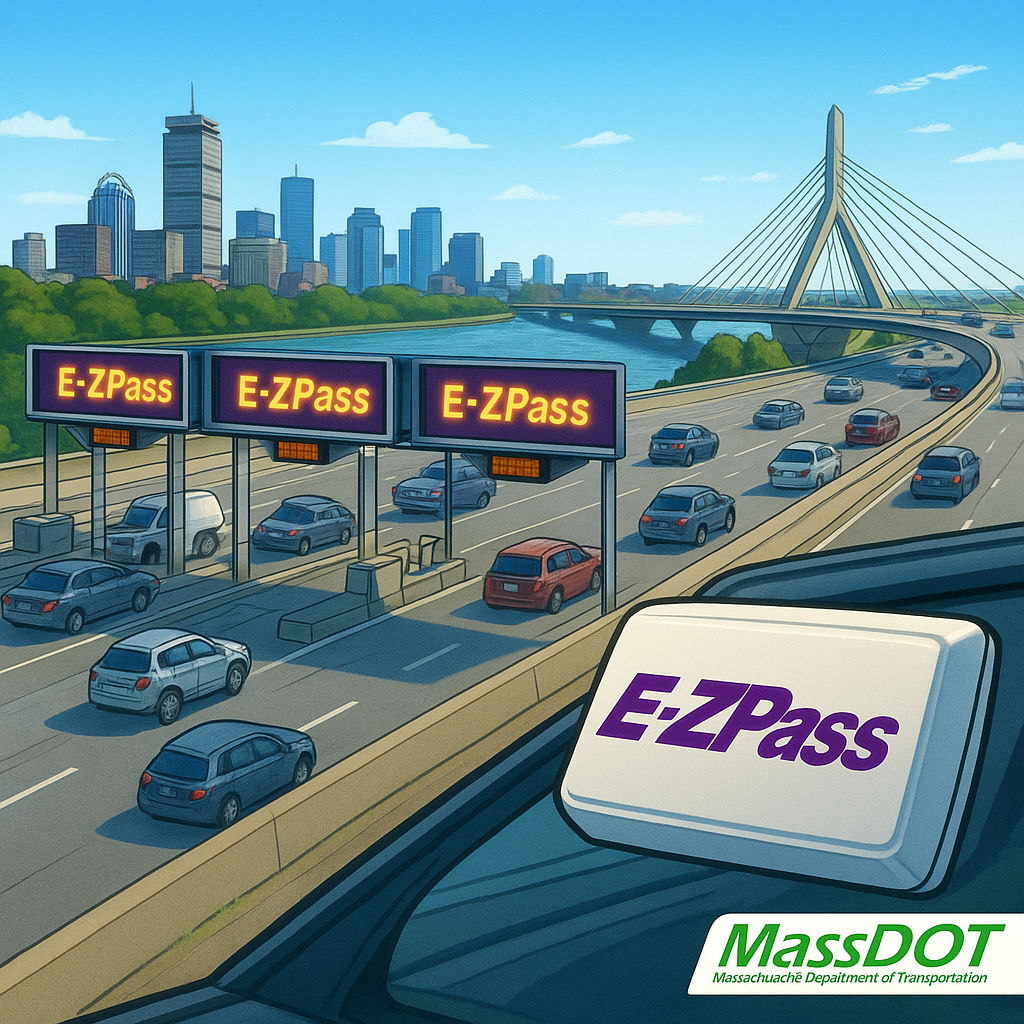
Driving through Massachusetts, you’ve probably grabbed an E-ZPass, breezed through a toll booth, and thought nothing of it. But behind that smooth, cashless experience is a complex financial engine powered by something called toll road bonds. The Massachusetts Department of Transportation (MassDOT) uses these bonds to fund massive infrastructure projects, and they have a direct impact on your wallet and your commute. So, what exactly are these bonds, and how do they shape the future of toll roads, bridges, and turnpikes across the state? Let’s break it all down in simple, everyday language.
What Are Massachusetts Toll Road Bonds Anyway?
Think of toll road bonds like a community potluck, but on a billion-dollar scale. MassDOT needs a huge amount of money upfront to repair an aging bridge or widen a congested turnpike. Instead of waiting decades to save up from toll collections, they borrow money from investors by issuing bonds. These bonds are basically IOUs that promise to pay back the borrowed money with interest over time—using the toll revenue you generate every time you pass under an E-ZPass gantry.
The two big names you’ll hear are Massachusetts E-Z Pass MA Toll Road Bonds and Turnpike Bridge Toll Bonds. They are specific types of municipal bonds backed by the steady stream of toll collections. So when you pay that $1.50 or $5.00 toll, a chunk of it doesn’t just maintain the road—it goes straight into paying back bondholders, along with interest. This system keeps the wheels turning long before the potholes get patched.
Why Not Just Use Tax Dollars?
It’s a fair question. The state could use general tax revenue, but toll-backed bonds shift the financial responsibility to the actual users of the road. If you rarely drive on the Massachusetts Turnpike, you’re not footing the bill through your income taxes. Instead, daily commuters and long-distance travelers carry most of the weight. It’s a pay-as-you-go model that feels fairer to many folks—and it gives MassDOT access to immediate capital.
How E-ZPass MA Fits Into the Picture
If you’re a regular E-ZPass user in Massachusetts, you’re not just a driver; you’re a key player in this financial ecosystem. Every time your transponder pings, you’re generating the revenue that secures those bonds. The entire system is built on the predictability of that income. Investors look at traffic patterns, historical toll data, and E-ZPass adoption rates before buying a Massachusetts Toll Road Bond. More E-ZPass usage means a steady, low-risk revenue stream—which makes the bonds more attractive and helps the state get lower interest rates.
In fact, since the switch to all-electronic tolling (AET), Massachusetts has seen an even more reliable flow of cash. No more toll booth operators, no more fumbling for change. It’s all automated, and that precision helps MassDOT forecast exactly how much money will come in over the next decade. That predictability directly influences the terms of new Turnpike Bridge Toll Bonds issued to rebuild structures like the Tobin Bridge or stretches of I-90.
The Hidden Benefit for E-ZPass Users
Here’s where it gets interesting. Because bondholders depend on toll revenue, the state has an incentive to keep traffic moving and tolls reasonably affordable. If tolls skyrocketed and drivers boycotted the turnpike, bond repayments would suffer. So there’s a built-in pressure to balance rates with road quality. It’s a bit like a landlord who keeps the rent reasonable so the tenant doesn’t leave—MassDOT is the landlord, and E-ZPass users are the reliable tenants keeping the building occupied.
Where Does the Money Actually Go? Infrastructure in Action
It’s easy to assume your toll dollars vanish into a government black hole, but the bond structure makes the spending relatively transparent. Let’s look at some real-world examples. The MA Department of Transportation regularly issues bonds tied to specific projects. A recent Massachusetts E-Z Pass MA Toll Road Bond offering might be dedicated to replacing expansion joints on the Zakim Bridge, while Turnpike Bridge Toll Bonds could fund a complete overhaul of a critical overpass in the MetroWest area.
What does that mean for drivers? Less rust, fewer sudden lane closures, and a smoother ride overall. The bonds don’t just patch holes—they enable long-term resilience. The state fixes what needs fixing today, and the tolls of tomorrow pay it back. It’s a forward-thinking cycle that keeps infrastructure from crumbling like a neglected cookie.
Project Spotlights: Bonds at Work
- Allston Multimodal Project: A massive reimagining of the I-90 interchange backed in part by toll-backed bonds, aiming to reconnect neighborhoods and replace aging viaducts.
- Tobin Bridge Rehabilitation: Ongoing structural upgrades funded through dedicated bridge toll bonds, ensuring this vital artery stays safe for decades.
- Electronic Tolling Expansion: The shift to gantry-based tolling on the Pike was itself supported by bond sales, which paid for the technology and infrastructure, reducing long-term operating costs.
Impact on Your Daily Commute
For the average E-ZPass user, the most tangible impact is the toll rate. Bond repayments are a fixed cost built into toll calculations. So when MassDOT adjusts rates—like the recent moderate increases on I-90 and the harbor tunnels—a portion covers the rising cost of servicing those bonds. Does that mean tolls will always go up? Not necessarily. But it does mean that toll rates are less volatile than you might think. They follow a careful financial model, not political whims.
Consider this: if you’re a commuter who spends $100 a month on tolls, maybe $20 of that goes toward repaying bonds that funded the very road you drive on. The rest covers maintenance, operations, and future projects. Is that a fair trade? You get a well-maintained highway, the state doesn’t drain its general fund, and investors earn a modest return. The whole arrangement functions like a co-op where everyone chips in for the upkeep.
What About Drivers Without E-ZPass?
If you use Pay-by-Plate, you’re still in the same revenue stream—just at a higher rate. That additional fee incentivizes E-ZPass adoption, which lowers processing costs and makes the toll revenue even more predictable. So even if you don’t have a transponder, your toll dollars feed into the same bond-funding pot. You might pay a bit more per trip, but the bond system treats all toll payers equally as the engine behind infrastructure investment.
The Bigger Picture: Economic Ripples
Smooth roads and safe bridges don’t just make your drive less stressful—they grease the wheels of the entire state economy. When MassDOT uses Massachusetts Toll Road Bonds to fast-track a project, construction jobs are created, local businesses benefit from better access, and supply chains move faster. There’s a powerful multiplier effect at play. A 2023 study from the American Road & Transportation Builders Association showed that every dollar spent on highway infrastructure can generate up to $5.40 in economic activity over time. That number gives you a sense of how these bonds are not just financial tools—they’re economic catalysts.
For E-ZPass users, that translates into a system that supports the communities they live in. The coffee shop near a newly rebuilt exit ramp sees more customers; the delivery driver avoids costly delays. It’s a win-per-mile situation that often goes unnoticed.
Potential Concerns and Common Misconceptions
No financial structure is perfect, and toll-backed bonds do stir up some reasonable concerns. One worry is that the state could over-leverage future toll revenue, essentially racking up a credit card bill that our grandchildren will have to pay. MassDOT operates under strict debt limits and legislative oversight to prevent that. The bonds are tied to specific revenue forecasts, and independent audits keep the process in check.
Another misconception is that tolls will disappear once the bonds are paid off. In reality, roads constantly need upkeep. As one set of bonds matures, new bonds are often issued for the next phase of infrastructure. Tolls remain a permanent feature—not because of greed, but because maintaining a modern highway system is an ongoing expense. Think of it like a home mortgage. Even after you pay off the 30-year loan, you still need to fix the roof and paint the walls. The bond system just separates large capital projects from daily maintenance costs.
Will My Tolls Ever Go Down?
It’s possible, but historically rare. Tolls tend to be “sticky” because the underlying costs—labor, materials, debt service—don’t deflate. However, as electronic tolling reduces operational expenses, there could be more breathing room to avoid sharp increases. Some states have experimented with “off-peak” discounts or rebates for frequent users. Massachusetts has dabbled with resident discounts for certain tunnels. Those programs are often funded by the very same bond structures that keep the system solvent. So while a dramatic drop is unlikely, a more nuanced, user-friendly toll schedule could emerge as the system matures.
What’s Next for Massachusetts Toll Roads?
Looking ahead, MassDOT has outlined ambitious plans that rely heavily on future bond issuances. Climate resilience is a top priority. Roads and bridges need to withstand more extreme weather, and that upgrade comes with a hefty price tag. You can expect to see new Turnpike Bridge Toll Bonds and Massachusetts E-Z Pass MA Toll Road Bonds specifically earmarked for flood mitigation, heat-resistant pavement, and smarter drainage systems.
Technology is also reshaping the picture. As electric vehicles become the norm, gas tax revenue drops, making toll-based bonds even more attractive. The MA Department of Transportation might explore dynamic pricing—where tolls adjust in real time based on congestion—and that would further strengthen the bond market’s confidence in steady revenue. It’s a virtuous cycle: smart investments today create the infrastructure for the transportation systems of tomorrow.
Key Takeaways for the Everyday Driver
- The Massachusetts Department of Transportation uses toll-backed bonds to fund major road and bridge projects without waiting for tax dollars.
- Your E-ZPass tolls directly secure these bonds, making you a crucial part of the state’s infrastructure ecosystem.
- Toll rates reflect not just repair costs but also debt repayments, keeping the system financially transparent.
- Investments made through Turnpike Bridge Toll Bonds improve safety, reduce traffic, and boost the local economy.
- Future projects will lean heavily on bond financing, especially as the state adapts to climate change and new technology.
So, Is This a Good Deal for You?
That’s the million-dollar question. If you value well-maintained roads, reliable bridges, and a modern tolling system that doesn’t stall your day, then the bond-backed model delivers. You pay a predictable fee, and in return, you get a safe, efficient commute. If you rarely use toll roads, you’re not paying into the system at all, which is arguably fair. The balance isn’t always perfect, but the model has kept Massachusetts infrastructure from collapsing under the weight of age and traffic volume.
Next time you zip under an E-ZPass gantry, take a moment to appreciate the invisible financial gears turning behind the scenes. That tiny beep is more than a transaction—it’s the sound of a long-term promise being kept, one mile at a time.