Stamford, Connecticut, has integrated environmental performance bonds into its site plan review process to ensure developers financially guarantee environmental protections like erosion control and tree preservation. This new requirement protects the city from bearing cleanup costs if a developer fails to meet ecological standards.
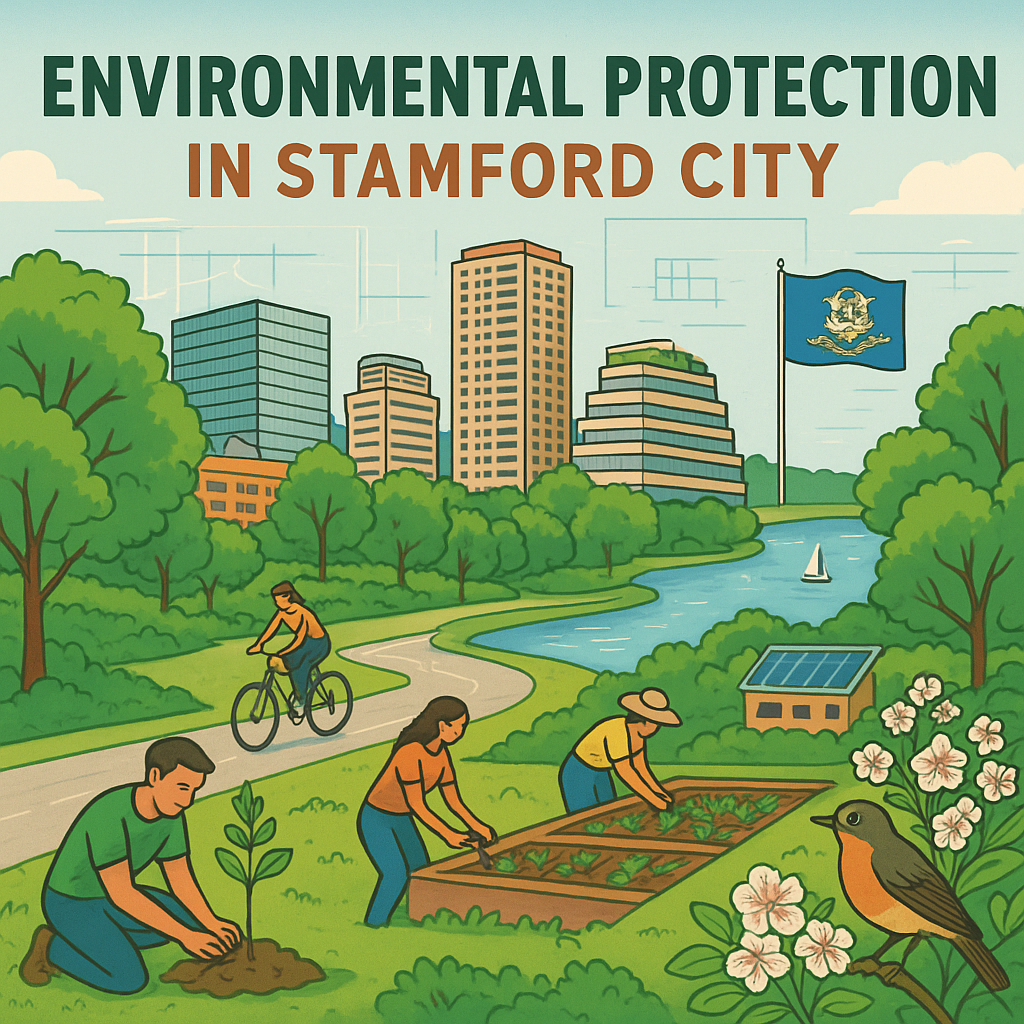
Have you ever wondered what happens after a shiny new building gets approved, but before anyone actually breaks ground? Towns and cities don’t just hand out a permit and hope for the best. They need rock-solid promises that streams won’t get muddy, trees will stay upright, and soil won’t wash into storm drains. That’s exactly where the City of Stamford is stepping up its game with a fresh tool: an environmental performance bond tied directly to site plans.
The Environmental Protection Board of the City of Stamford, Connecticut, has been quietly refining how it safeguards the city’s natural charm. Recently, they’ve woven a stronger safety net into the site plan review process. What does that mean for homeowners, builders, and the neighborhood squirrel who depends on that old oak tree? Let’s unpack it in plain, everyday language.
What Is an Environmental Performance Bond, Really?
Think of a performance bond as a financial “pinky promise” with teeth. It’s not just a handshake between a developer and the city. A third party—usually an insurance or bonding company—vouches for the developer. If the builder fails to do what they promised on a site plan (like planting replacement trees or stabilizing a hillside), the bond kicks in. Stamford can then use the money to fix the mess without clawing through court battles.
An environmental performance bond zooms in on the green, muddy, leafy side of construction. It covers things like erosion control, wetland protection, proper drainage, and even the health of public shade trees. The Stamford Environmental Protection Board now makes sure these bonds are sized correctly and tightly linked to the specific conditions of a site plan.
Why Stamford’s Site Plan Process Needed a Sharper Pencil
Stamford isn’t a sleepy village with one construction project a year. It’s a buzzing coastal city where modern apartments, office parks, and waterfront renovations pop up constantly. Every project brings a stack of site plans that show exactly how the land will be reshaped. In the past, the bond amount might have been a rough estimate—enough to cover some clean-up, but maybe not enough when a downpour hit a half-finished slope.
The Environmental Protection Board of the City of Stamford CT recognized this gap. They saw that underfunded bonds could leave taxpayers holding the bag if a developer walked away mid-project or did sloppy restoration work. By enhancing the site plan performance bond requirements, they’re adding a practical layer of pre-funded insurance that speaks directly to environmental risks.
How the New Approach Works Hand-in-Hand with Site Plans
A site plan is like a recipe for turning raw land into a finished project. It maps out where buildings will sit, how water flows, which trees stay, and where new greenery goes. When the Stamford Environmental Protection Board reviews these plans, they aren’t just nodding along. They’re asking: “What happens if a silt fence fails? What if those fifteen river birches don’t survive the first summer?”
Now, the bond amount is sculpted around those exact details. If the plan promises a bio-retention basin and two dozen native shrubs, money gets set aside specifically for that. This isn’t a one-size-fits-all number. It’s a surgical tool. Developers post the bond before getting certain approvals. If they meet every green benchmark, the bond gets released. If not, Stamford can draw from it to hire its own contractor and get the job done right.
The Unsung Heroes: Trees, Soil, and Water
Let’s zoom in on a few things the bond protects that you might not think about every day:
- Mature trees and replacement plantings: Stamford’s tree canopy is a big part of its identity. When a site plan requires preserving a majestic oak or planting new street trees, the bond ensures those promises don’t wither.
- Erosion and sediment control: Bare soil is a runaway menace. The bond covers proper silt fencing, stabilized construction exits, and quick reseeding after heavy rain.
- Wetlands and buffer zones: Stamford is laced with tidal marshes and inland wetlands. The bond creates a financial cushion to restore any encroached buffer or damaged resource.
- Stormwater management features: Rain gardens, underground detention chambers, and green roofs need to be built exactly as engineered. If they’re botched, the bond provides the fix-it fund.
Why Residents Should Smile About This
You might think this sounds like inside baseball between City Hall and big developers. But it directly touches your morning walk, your basement’s dryness, and even your property value. When a bond is robust, it dramatically reduces the chance of construction scars staying forever. No more dangling sediment blankets flapping in the wind for months. No more dead saplings that nobody replants.
Have you ever driven past a muddy lot with a lonely “Tree Replacement Fee Paid—Honest!” sign but no actual tree? The enhanced performance bond puts a stop to that. With a properly sized bond, the city has the leverage and the immediate cash to step in. You, the neighbor, don’t have to rally at a board meeting and wait years for enforcement.
A Real-World Snapshot (Without Naming Names)
Picture a sloping lot near the Rippowam River where a small apartment building was approved. The site plan shows a silt fence along the riverbank, a row of red maples shielding the view, and a rain garden to soak up roof runoff. Before the enhanced bond program, the developer might have posted a general $15,000 bond for landscaping and erosion combined. A gully-washer storm could wash away half the soil, and $15,000 might only cover regrading, leaving the maples as a memory.
Under the tuned-up system, the Environmental Protection Board calculates the actual cost of restoring that specific riverbank, replacing those specific trees, and regrading that exact slope. The bond might be $45,000. If the developer finishes the project and the trees are thriving after a full growing season, the money goes back. If they vanish, Stamford quietly hires a certified landscape crew, and the problem gets solved. No soap opera needed.
But Isn’t This Just More Red Tape for Builders?
It’s a fair question. Nobody wants to add months to a project timeline or drown in paperwork. Interestingly, a well-structured environmental performance bond often speeds things up on the trust side. When a builder comes to the table with a bond that genuinely matches the risk, plan reviewers can move with more confidence. They’re not holding up the permit because of nagging worries about a potential muddy disaster. They know a safety net exists.
Think of it like renting a car. You don’t want the insurance to be a random, sky-high number unrelated to the vehicle. You want a deposit that fairly mirrors the car’s value. Then you get the keys fast and don’t stress. Stamford’s Environmental Protection Board is essentially giving builders the keys, but making sure the deposit actually covers the Ferrari, not just the bicycle.
How the City Keeps the Process Fair
The board doesn’t dream up bond figures out of thin air. They work from cost estimates that reflect local contractor rates, plant survival guarantees, and realistic restoration timelines. Developers can bring their own detailed estimates, too. It’s a conversation, not a hammer. The goal is a bond that feels doable for a responsible builder but protective enough that no city employee lies awake at night worrying about a half-finished wetland restoration.
Regular check-ins happen, too. The bond isn’t locked up indefinitely. Once milestones are met—say, the detention basin is built and inspected, or the final grade is established—portions of the bond can be reduced. This incremental release rewards progress and keeps cash flowing where it needs to go.
What This Means for the Future of Green Stamford
Stamford has always been a city caught beautifully between urban energy and coastal tranquility. The Long Island Sound shoreline, the winding Mianus River, and countless pocket parks give it character you can’t manufacture. As climate patterns shift and heavy rains become more frequent, a simple construction mistake can cascade. An eroded slope today might mean a flooded neighborhood intersection tomorrow.
The enhanced environmental performance bond acts like a shock absorber. It doesn’t prevent all mistakes, but it guarantees the resources are there to correct them immediately. The Stamford City Environmental Protection Board Performance Bond program is quietly laying down a path where growth and nature don’t have to be at war. They can shake hands, backed by a sensible contract.
What If You’re Planning a Small Project?
You might be a homeowner adding a garage near a wetland buffer or a small business owner putting in a new parking area. Even modest site plans can trigger the bond requirement if the Environmental Protection Board determines there’s an environmental risk. Don’t panic. The bond scales to the project. A simple catchment fence and a few clumps of native grasses might need a bond of only a couple thousand dollars. The key is to engage early with the board during design, ask about their checklist, and build the bond cost into your construction budget from day one.
Working Together for a Cleaner, More Resilient City
At its heart, this updated requirement is about keeping promises visible. The site plan isn’t just a pretty drawing; it’s a contract with the community. The enhanced bond gives that contract substance. It says, “We trust you to do this right, and we’ve set aside the means to make it right if something goes sideways.”
Next time you pass a construction fence in Stamford, you might not see the bond paperwork. But you’ll see the results. Healthier trees, cleaner curbs after a storm, and neighborhoods that don’t bear the scars of rushed work. That’s the kind of practical, behind-the-scenes improvement that keeps a thriving city well-rooted.
So, is your block ready for its close-up? With these stronger safeguards, the next site plan in your neighborhood is far more likely to bring the parkscape it promised, not just a pile of dirt and a vague excuse.