An Enfield CT drain layer’s bond is a legally required surety bond for contractors working in the town's right-of-way, guaranteeing that drainage work is done correctly and the area is restored. It protects the town and residents from financial loss if a contractor fails to meet local ordinances.
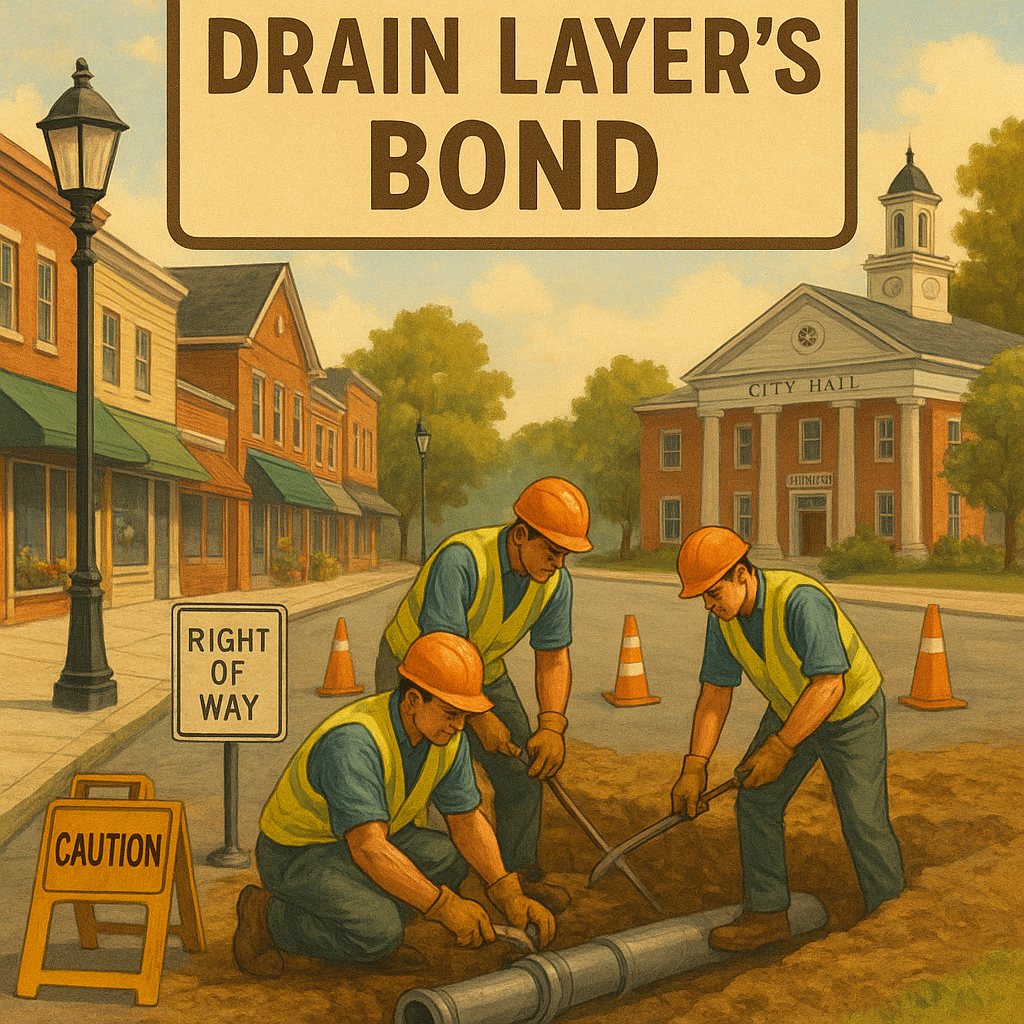
If you’re a contractor digging trenches, laying pipes, or managing stormwater in Enfield, Connecticut, you’ve probably heard the phrase “drain layer’s bond” tossed around. Maybe you’re new to the game, or maybe you just landed a job that involves working in the town’s right-of-way. Either way, that little piece of paper is more important than you think. Let’s break it all down in plain English so you can get to work without the headache.
So, What Exactly Is a Drain Layer’s Bond?
Think of a drain layer’s bond as a promise with a financial backup. It’s a type of surety bond that the Town of Enfield requires from anyone who wants to do drain laying work within the public right-of-way. The right-of-way is that strip of land along roads and sidewalks that the town controls—even if it feels like it’s right in front of someone’s house.
When you buy this bond, you’re essentially telling the town, “I’ll follow your rules, do the job correctly, and restore everything back to normal when I’m done.” If something goes sideways—say your crew digs up a sidewalk and leaves a mess, or the drainage system you installed causes a backup—the bond is there to make things right financially. It protects the town and its residents, not you. But it also allows you to work legally.
Why Does Enfield Care So Much About Right-of-Way Work?
Picture this: a homeowner hires a drain layer to fix a perpetually soggy backyard. The fix requires running a new drain line out to the street. That means cutting into the asphalt, digging a trench across the town’s shoulder, and connecting to the municipal storm system. If that work isn’t done to spec, it could lead to potholes, sinkholes, or even flooding for the neighbors down the hill. The town’s public works department needs a guarantee that the right-of-way will be left as good as new—or better.
That’s where the bond comes in. It’s a risk management tool. The bond amount, set by the town, acts as a pool of money the town can claim against if the contractor doesn’t hold up their end of the bargain. In Enfield, this requirement is baked into local ordinances. It’s not optional—it’s the law.
Do You Need This Bond, or Can You Skip It?
If your work involves any of the following, you’ll almost certainly need an Enfield CT drain layer’s bond for right-of-way:
- Installing, repairing, or replacing drainage pipes that cross under or along a public road.
- Connecting a private drain system to a town catch basin or culvert.
- Excavating within any part of the town’s right-of-way, even just the grassy strip between the curb and the sidewalk.
- Performing work that requires a street opening permit from the Town of Enfield Engineering Department.
If you’re only working on private property, far from any town-maintained infrastructure, you might not need it. But here’s a little nugget of wisdom: always call the Enfield Engineering or Public Works department before you start. The definition of “right-of-way” can surprise you, and assuming you’re in the clear could land you a stop-work order—or a fine.
How the Bond Process Works (Without the Legal Babble)
Let’s walk through a typical scenario. Say you’re a licensed drain layer and you’ve just signed a contract to replace a collapsed driveway culvert in Enfield. The old pipe is shot, and a new one needs to go under the driveway apron where it meets the town road. That’s firmly in the right-of-way.
You’ll head to the town hall (or check their website) to apply for a right-of-way permit. During that process, you’ll be asked for proof of your drain layer’s bond. The bond needs to be in place before the permit gets stamped. You’ll purchase the bond from a surety company or an insurance agency that specializes in bonds. They’ll ask about your business finances and possibly your credit score. Once approved, you pay a premium—a small percentage of the total bond amount—and you get the bond document.
You hand that bond to the town. You do the work. You clean up. The town inspects. If all is well, the bond stays in the file drawer, quietly doing its job. If something goes wrong, the town can file a claim against the bond. And here’s the kicker: even though the surety company pays the town first, you’re ultimately on the hook for every penny. A bond is not insurance for you; it’s essentially a line of credit you’ll have to repay.
What Does a Drain Layer’s Bond Cost in Enfield?
No one likes surprise fees, right? The cost of your bond will vary based on a couple of things: the bond amount required by Enfield, your personal credit score, and the financial health of your business. For a typical drain layer’s bond, the town might require $10,000, $25,000, or another amount set by ordinance. You won’t need to pay that full amount upfront. Instead, you’ll pay a premium—often between 1% and 10% of the bond amount.
So, if the required bond is $10,000 and your premium is 3%, you’d pay $300 for the year. Contractors with great credit might snag a rate closer to 1%. Those with rocky credit may pay more, but there are bond companies that work with all kinds of situations. It’s always smart to shop around or work with a specialized bond agency that knows the ins and outs of Connecticut municipal bonds. They can help you find the best deal without pulling your hair out.
Are There Other Fees or Renewals?
Yes—don’t forget that the bond needs to stay active. Most drain layer bonds are issued for one year and must be renewed annually. The town might also require a separate permit fee each time you open the right-of-way. Those fees are distinct from the bond premium. Keep a calendar reminder and a little cash stash for renewal season. Losing your bond coverage can instantly invalidate your permit and halt your project.
Bond vs. Insurance: Clearing Up the Confusion
It’s incredibly common to hear someone say, “I already have liability insurance, so I’m covered.” That’s a trap. General liability insurance protects you if you damage something or hurt someone. The drain layer’s bond protects the town—and by extension, the public—from your failure to perform the job according to town standards. They are two completely different animals. You’ll likely need both. Insurance covers the random accidents; the bond covers the quality and completion of your work within the right-of-way.
Here’s an analogy: insurance is like an umbrella you open when it rains. The bond is like a security deposit on a rental apartment. The landlord holds it to make sure you don’t trash the place. Enfield is the landlord of its right-of-way, and the bond is your deposit.
What Happens If You Work Without the Bond?
Let’s be real: some folks try to fly under the radar. Maybe the job is small—just a quick trench across the shoulder. You might think, “Who’s going to notice?” The short answer? Plenty of people. Town inspectors patrol regularly. Neighbors notice fresh asphalt patches and might ask questions. If you get caught working without the required bond and permit, you could face cease-and-desist orders, fines that eat up your profit, or even being barred from working in Enfield again. Worse, if your unpermitted work causes a problem—like a road collapse—you could be personally liable for damages that far exceed the bond’s cost. Skipping the bond is like driving without a seatbelt; it seems fine until the moment it’s desperately needed.
Getting Your Hands on the Bond: A Quick Roadmap
Feeling a little overwhelmed? Don’t be. The process is straightforward once you know the steps. Here’s your cheat sheet:
- Step 1: Contact the Town of Enfield’s Engineering Department or Public Works to confirm the exact bond amount and form required for your project.
- Step 2: Reach out to a surety bond agency. You can find one online or ask fellow contractors for recommendations. Provide them with the town’s bond form and your business details.
- Step 3: Complete the application. You’ll likely need to share your Social Security number for a credit check, business EIN, and possibly financial statements if the bond amount is large.
- Step 4: Pay the premium and receive your bond document.
- Step 5: File the bond with the town along with your permit application. Keep a copy for your records.
- Step 6: Do the work, follow all specs, and restore the site. Schedule any required town inspections.
That’s really it. The whole thing can often be done in a day or two if you’re organized. Many bond agencies offer instant online quotes and electronic delivery, so you don’t even have to leave your truck.
What About Homeowners? Do They Need to Know This?
You might be a homeowner reading this, not a contractor. If you’re hiring a drain layer to do work that touches the right-of-way, this bond is your friend. It tells you that the contractor is playing by the rules. Always ask to see their current drain layer’s bond certificate—it’s a simple way to verify they’re legitimate. If they can’t produce it, think twice before signing that contract. Without the bond, you could get dragged into a dispute if the town finds faulty work and comes knocking.
Wrapping It All Up
The Town of Enfield, Connecticut, takes its right-of-way seriously, and that drain layer’s bond is a cornerstone of keeping the community safe and infrastructure sound. It’s not just bureaucratic red tape; it’s a mutual understanding that public spaces deserve respect. For contractors, it’s a necessary tool to open doors (and roads). For the town, it’s peace of mind. Now that you understand the what, why, and how, you can approach your next project with confidence—and the right paperwork in hand.
Have you ever needed a right-of-way bond in Enfield? Did the process surprise you? We’d love to hear your stories. Sometimes the best lessons come from the trenches—literally and figuratively.