Windsor, Connecticut requires contractors to post a drain layer excavating bond before digging in the public right-of-way, serving as a financial guarantee to cover any damage or incomplete cleanup. This bond protects taxpayers from repair costs and ensures contractors meet town standards for projects like drain installation, repair, or connection to municipal systems.
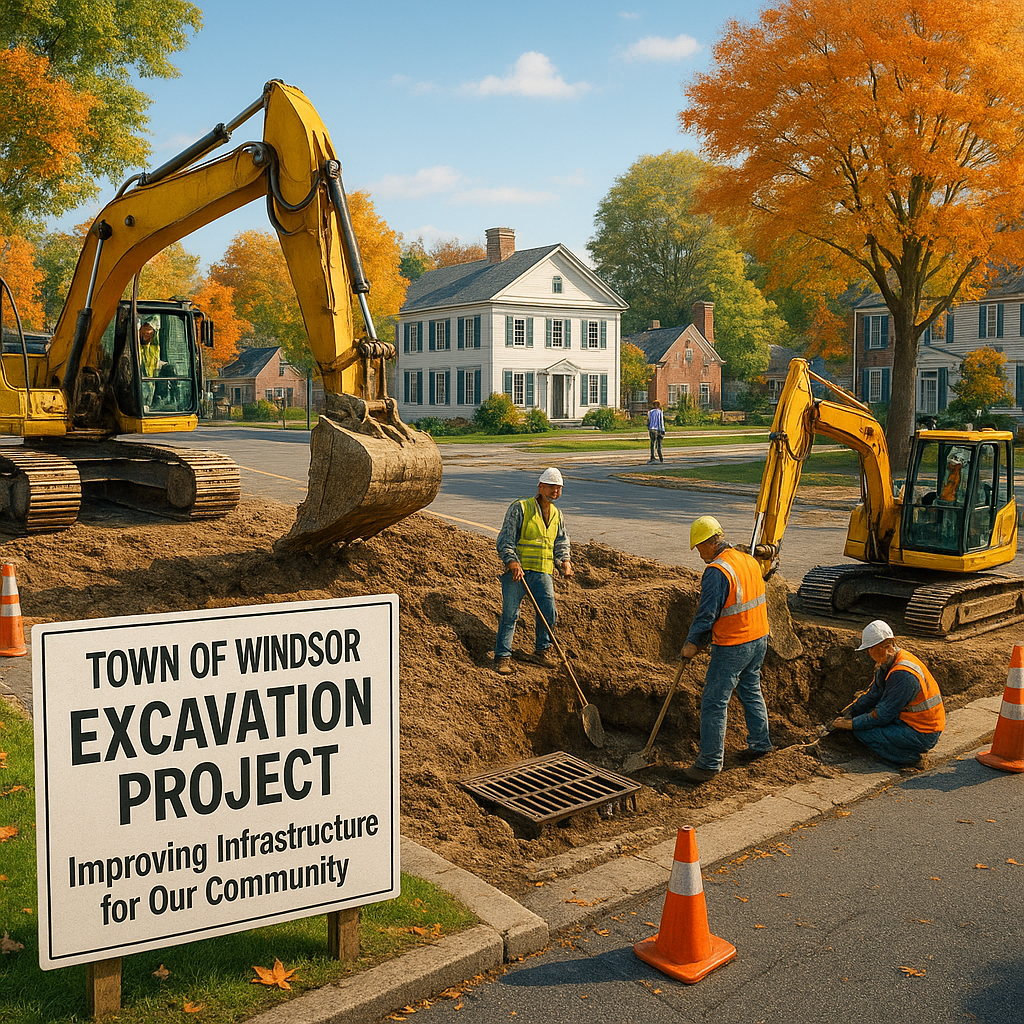
Have you ever thought about what’s happening under your feet when a crew digs up the street to fix a drain? In Windsor, Connecticut, there’s a little something called a drain layer excavating bond that makes sure those projects go smoothly and the neighborhood doesn’t end up with a mess. Whether you’re a contractor looking to do work in the town’s right-of-way or a curious homeowner, this guide will walk you through everything you need to know in plain, everyday language.
What Exactly Is a Drain Layer Excavating Bond?
Let’s keep it simple. A drain layer excavating bond is really a financial promise. Think of it like a security deposit you might put down when renting an apartment—except this one is for digging up public property. The Town of Windsor asks contractors to post this bond before they start any excavation work related to drains in the public right-of-way. The right-of-way is that strip of land usually next to the road where utility lines, sidewalks, and drainage systems live. It belongs to the town, not the homeowner, so any work there needs special permission.
If the contractor causes accidental damage to the street, sidewalk, or existing pipes—or if they don’t clean up properly—the bond money can be used to pay for repairs. That way, the town doesn’t have to chase anyone down, and taxpayers aren’t left holding the bill.
Why Does Windsor Require This Bond?
Picture a neighborhood street after a drain project. Maybe the pavement was cut open, heavy equipment came through, or traffic was disrupted. Now imagine the contractor finishes the job and drives away, leaving behind a cracked curb or a sunken patch of asphalt. Without a bond, fixing that would fall on the town—and ultimately on every resident. The Town of Windsor CT drain layer excavating bond is the town’s way of saying, “We trust you to do the work, but we also need a safety net.”
This isn’t just about big mistakes. Even small things like forgetting to compact the soil properly can lead to a sinkhole months later. The bond acts as a long-term guarantee that the contractor will meet the town’s standards and fix any issues that pop up within a set period.
Who Needs a Windsor Town Drain Layer Excavating Bond?
If you’re a drain layer, plumber, or excavation contractor who plans to dig in the right-of-way anywhere in Windsor, Connecticut, you’ll likely need one. This applies to:
- Installing a new drainage system for a home or business
- Repairing or replacing an old, collapsed drain pipe
- Connecting a private property’s drainage to the municipal system
- Any excavation that disturbs the ground within the public right-of-way
It doesn’t matter if the project is small—like fixing a single downspout drain—or a large-scale municipal job. The bond requirement is there to cover any activity that could affect the town’s infrastructure.
How Does the Bond Process Work? It’s Easier Than You Think
Nobody loves paperwork, but getting a drain layer right-of-way bond in Windsor is a straightforward process once you understand the steps. Here’s a typical path:
1. Check with the Town of Windsor
Before you even pick up a shovel, reach out to the Engineering or Public Works Department. They’ll tell you the exact bond amount needed for your project. The amount often depends on the scope of work—maybe a $5,000 bond for a small residential job or a much larger one for a commercial development. You might hear the term Windsor Town Drain Layer Excavating Bond used interchangeably with a right-of-way bond, but it’s all the same idea.
2. Obtain the Bond from a Surety Company
Most contractors get a surety bond through an insurance agent or bonding company. You pay a premium—a small percentage of the total bond amount—and the surety company backs you. If you’re a well-established contractor with good credit, the premium could be as low as 1-3% of the bond value. Cash bonds are another option, where you deposit the full amount directly with the town, but that ties up working capital.
3. File the Bond with the Town
Once you have the bond in hand, you’ll submit it along with your excavation permit application. The town reviews everything, and once approved, you’re cleared to start digging. Keep in mind, the bond isn’t a permit—it’s one piece of the puzzle. You’ll still need the actual right-of-way permit.
4. Complete the Work Cleanly
Do the job right. Restore the surface, compact the soil, repave where necessary, and leave the site looking like you were never there. The town will inspect the work. If everything passes muster, the bond obligation is released after a maintenance period, which might be a year or more. During that time, any defects that surface are your responsibility to fix.
What Kind of Things Can Go Wrong Without a Bond?
It’s easy to think, “Why bother with another expense?” But skipping out on the bond can lead to serious headaches. Let’s say a drainage contractor accidentally nicks a water main while digging. The resulting repair could cost thousands, not to mention the water damage to nearby homes. Without a bond, the contractor could simply declare bankruptcy or vanish, leaving the town and residents in a lurch. The bond is the safety net that catches those worst-case scenarios.
Another common issue: improper backfilling. If a trench isn’t filled and compacted correctly, a depression forms over time. That low spot collects water, freezes in winter, and becomes a pothole. The bond ensures the contractor comes back to fix the sinking pavement, even months after the initial job.
The Human Side of the Bond: Protecting Neighbors and Communities
Think of the drain layer excavating bond as a promise to your neighbors. Mrs. Johnson down the street might not care about municipal codes, but she sure cares if the sidewalk in front of her house is suddenly a tripping hazard. This bond isn’t just bureaucracy—it’s a commitment to keeping Windsor’s streets safe, smooth, and functional for everyone. When contractors follow the process, it builds trust and keeps small problems from becoming big, expensive ones.
For contractors, having the bond also signals professionalism. It tells potential clients, “I play by the rules, and I have the financial backing to stand behind my work.” That can be a competitive advantage when homeowners are comparing bids.
Frequently Asked Questions (Because You Asked)
How much does the bond cost me as a contractor?
You don’t pay the full bond amount out of pocket. With a surety bond, you only pay the premium. For a $10,000 bond, a 2% premium would be $200. Costs vary based on your financial history and the bond size. It’s a small price for the ability to work legally in Windsor’s right-of-way.
Is the bond the same as insurance?
Not quite. Insurance protects you, the contractor, from unexpected events. The bond protects the town (and sometimes the property owner) from your failure to perform. If the bond pays out, you’re ultimately responsible for reimbursing the surety company. So it’s a credit-backed guarantee, not a coverage policy.
What if I only do tiny residential jobs?
The requirement usually still applies. The Town of Windsor CT is pretty clear: any excavation in the right-of-way needs a permit and a bond. The amount might be lower for small projects, but you can’t skip it. Always check with the town first—they’re surprisingly helpful and can guide you.
Can a homeowner pull the bond instead of the contractor?
Rarely. The bond is tied to the licensed drain layer doing the work. If you’re a homeowner managing a DIY drain project in the right-of-way (which itself requires permission), you’d likely need to work with a bonded professional or post a cash deposit directly with the town. Talk to the Engineering Department to explore your options.
Keeping Windsor’s Infrastructure Smooth for Years to Come
The next time you drive down a perfectly smooth road in Windsor or notice a new catch basin draining a parking lot without issue, you can thank the behind-the-scenes protections like the drain layer excavating bond. It’s not the flashiest topic, but it’s one of those quiet heroes that keeps a community running. By ensuring contractors take responsibility for their excavation work, the town preserves the quality of public spaces and protects everyone’s investment.
So whether you’re a contractor preparing to dig, a homeowner overseeing a drainage project, or just a resident who appreciates well-maintained streets, understanding this bond gives you a glimpse into the thoughtful planning that keeps Windsor, Connecticut moving forward. If you’re ready to start your project, reach out to the town, secure your bond, and dig in—the right way.