North Haven, Connecticut requires excavation permits for any digging within public rights-of-way, ensuring work is safely completed and streets are properly restored. An accompanying excavation bond acts as a financial guarantee, protecting the town from incomplete work or damage while building trust with permit holders.
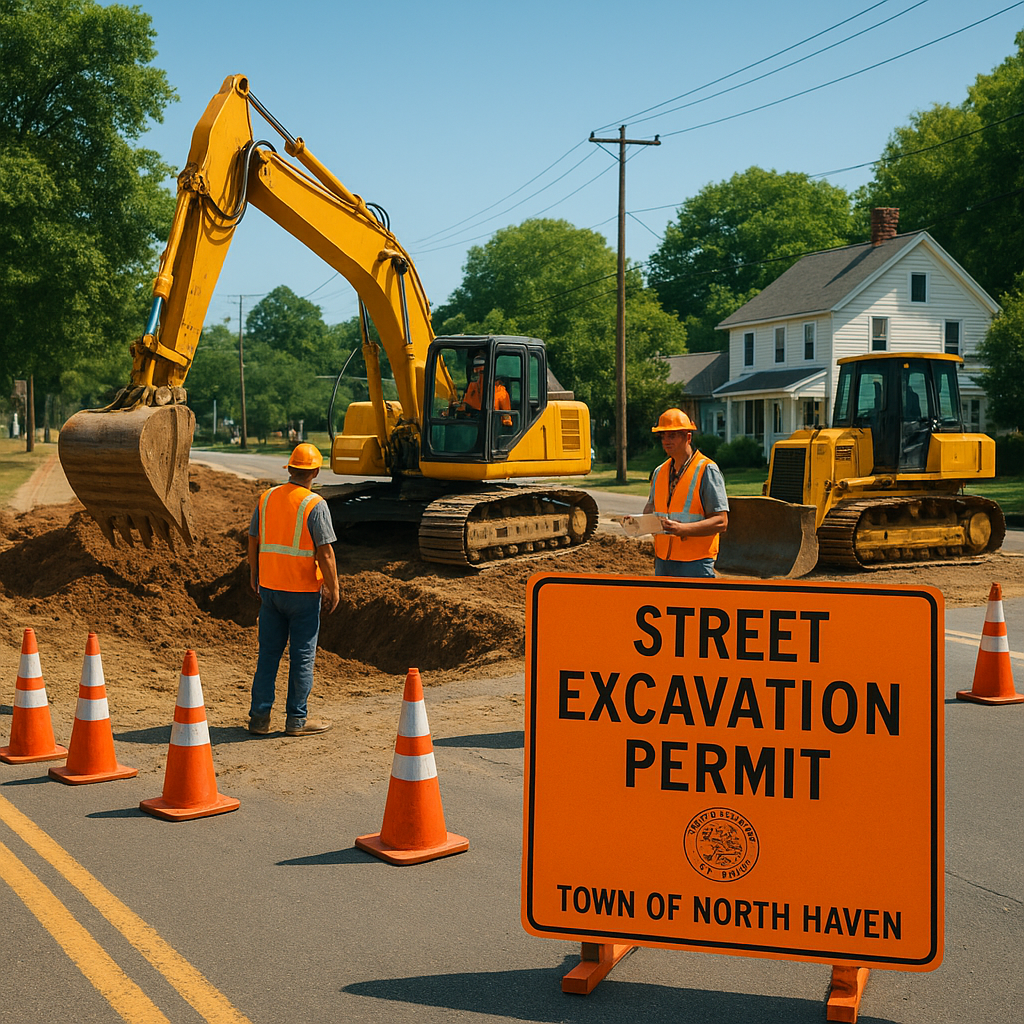
Have you ever needed to dig into the ground near a public road—maybe to fix a water line, install a new sewer connection, or run underground utilities? If your project takes place in North Haven, Connecticut, there is one thing you absolutely cannot skip: understanding the local excavation permit and bond rules. They might sound like confusing paperwork at first, but they are really just a smart safety net for everyone involved. Let’s walk through what you need to know, in simple, everyday language.
What Exactly Is an Excavation Permit in North Haven?
Whenever you, or a contractor you hire, plan to open up the ground, cut into the pavement, or dig a trench within a town right-of-way, you need permission from the town. That permission comes in the form of an excavation permit—sometimes called a street opening permit. North Haven’s Highway Department (or sometimes the Public Works Department) issues these permits to make sure that any work done on public streets, sidewalks, or shoulders is safe and properly restored afterward.
Think of the permit as a formal “green light.” It tells the town: “Yes, you are allowed to dig here.” But it also creates a record. The town knows exactly who is working where, how long the project should last, and what the area should look like when the job is done. Without this permit, you could face fines, project delays, or even an order to stop work entirely.
Why Does a Bond Enter the Picture?
Now, this is where many people get a bit confused. Along with the permit, North Haven typically requires something called an excavation bond. But don’t let the word “bond” scare you. In the simplest terms, an excavation bond is a financial guarantee—a promise that the work will be completed correctly and that the street will be restored to the town’s standards.
Picture it like a security deposit when you rent an apartment. The landlord holds that money just in case you damage the property. If you leave the place in great shape, you get your deposit back. Similarly, North Haven holds a bond to cover any potential damage or incomplete restoration. If everything is fixed up nicely and passes inspection, the bond is released. It’s a protection for the town and its residents, not a penalty.
The Real-World Purpose of a North Haven CT Highway Excavation Bond
When you dig up a road or sidewalk, things don’t always go perfectly. Perhaps a patch sinks after a few months, or the asphalt wasn’t compacted correctly. If the contractor walks away without fixing it, the town would have to use taxpayer money to make the repair. The bond prevents that. It ensures the town has funds set aside to step in and finish the job properly if the permit holder doesn’t hold up their end of the bargain.
For you as a property owner or contractor, having a bond shows the town that you are serious and responsible. It builds trust. Plus, it speeds up the permit approval because the town knows the financial risk is covered.
Who Needs a Highway Excavation Bond in North Haven?
This isn’t limited to huge construction companies. If you’re a homeowner hiring someone to connect to the main sewer line, or a utility company upgrading gas pipes, or a local plumber running a new water service—anyone performing an excavation within the town right-of-way will likely need both a permit and a bond. Some minor work might qualify for a reduced bond amount, but you should always check with the town’s Highway Department. Never assume your project is too small to matter.
How Does the Process Work? Step by Step
Let’s break down the typical journey from “I need to dig” to “the job is complete and the bond is released.” Keep in mind that procedures can change slightly, so a quick call to the North Haven Highway Department is always a smart move.
1. Plan Your Project and Gather Details
Before you even touch an application form, know exactly where you will excavate, how deep, for what purpose, and how traffic might be affected. Town officials will want to see a sketch or site plan. Think about safety measures like cones, signs, and steel plates that might be needed. The more information you provide upfront, the smoother the process goes.
2. Submit the Excavation Permit Application
Visit the North Haven town offices or their website to get the proper application. Fill it out completely. This usually includes your contact information, the contractor’s details, the location of the dig, the estimated start and end dates, and a description of the work. You might need to pay a non-refundable application fee at this stage, which is separate from the bond.
3. Provide the Required Excavation Bond
Here is where the North Haven CT highway excavation bond comes in. The town will tell you the bond amount required. This amount is often calculated based on the size and impact of the excavation—more extensive opening of a main road means a higher bond. You have a couple of typical options to secure this bond:
- Surety bond from an insurance company or bonding agency: You pay a small percentage of the total bond amount (like a premium) and the company issues the bond. This is common for larger contractors.
- Cash bond or certified check: You deposit the full amount with the town. It’s simpler but ties up your money until the project passes final inspection.
Ask the Highway Department which forms they accept. Many towns prefer a surety bond because it’s professionally managed, but cash bonds are often allowed for smaller jobs.
4. Wait for Approval and Permits to Be Issued
Once the application is complete and the bond is verified, the town reviews your plans. They may inspect the site beforehand. If everything looks good, they issue the excavation permit. You may receive a physical permit card that should be kept on-site. Don’t start digging until you have this in hand.
5. Perform the Work Safely and Carefully
Now the actual digging begins. Remember, the permit comes with rules. You must follow North Haven’s specifications for trench safety, backfilling, and temporary pavement patches. You also need to call CBYD (Call Before You Dig) at 811 well in advance, so underground utilities are marked. This step isn’t just good practice—it’s the law.
6. Restore, Get Inspected, and Release the Bond
After the excavation, you must restore the road, curb, or sidewalk to the town’s standards. This usually means a temporary patch first, then a permanent restoration after the ground settles. A town inspector will visit to check the work. If it passes, the bond is released—either the cash is returned or the surety bond is exonerated. If repairs are needed, the town will tell you what to fix. Only when everything is right does the obligation end.
How Much Does an Excavation Bond Cost in North Haven?
The bond amount varies. For a small residential tie-in, you might be looking at a few thousand dollars. For a major utility project cutting across a busy intersection, the bond could be significantly higher. If you’re using a surety bond, you won’t pay the full amount out of pocket. Instead, you pay a premium—often between 1% and 3% of the total bond value, depending on your credit and the bonding company’s rates. So a $5,000 bond might only cost you $50 to $150 in premium. That’s a small price for a big peace of mind.
Always confirm the current fee and bond schedule with North Haven. Costs can be updated annually, and you don’t want any surprises after you’ve started planning.
Common Pitfalls and How to Avoid Them
Nobody wants to make a mistake that holds up their project. Here are some frequent missteps and simple ways to steer clear of them:
- Not starting with a call to 811: Digging without marking utilities is dangerous and can lead to massive fines. Call before you dig, always.
- Underestimating the restoration standards: North Haven has specific rules for asphalt thickness, concrete mix, and compaction. Read the town’s excavation regulations. A quick patch that fails in six months will mean you’re still on the hook.
- Forgetting to extend the permit if delays happen: Most permits have an expiration date. If weather or other problems slow you down, request an extension before the permit expires. Working with an expired permit is treated as if you had no permit at all.
- Assuming the bond is the only cost: On top of the bond premium, there might be inspection fees, permit fees, and traffic control costs. Budget for the whole picture.
- Skipping the final inspection: Even if the work looks perfect, you must officially close out the project with the town. Otherwise your bond money could stay tied up indefinitely.
What Happens If You Don’t Get a Permit or Bond?
Digging without a permit might seem like a shortcut, but it can derail your entire project. North Haven can issue a stop-work order, which means all activity must pause. You might face fines that grow daily. Worse, if you damage a road or cause an accident due to unpermitted work, you could be held personally liable for injuries or repairs. The bond and permit are there to protect you just as much as they protect the town. Skipping them simply isn’t worth the risk.
Frequently Asked Questions
Can a homeowner pull their own excavation permit in North Haven?
Yes, in many cases a homeowner doing work on their own property can obtain the permit and bond. However, some towns require a licensed and insured contractor for work within the right-of-way. Check with the Highway Department. If you can pull it yourself, you still need to meet all safety and restoration standards.
How long does a bond stay active?
The bond typically remains in effect until the final restoration is inspected and approved, which could be several months after the initial dig. A permanent paving patch often has a waiting period to allow for settling. Your permit documents will explain the timeline. Once you get the green light, the bond is released quickly.
Is the North Haven excavation bond the same as a contractor license bond?
No, they are different. A contractor license bond guarantees that the contractor follows industry laws and codes in general. The excavation bond is tied to a specific project and specific location. You may need both, depending on your situation.
I’m only digging on my private driveway apron. Do I still need a permit?
If the work touches the town right-of-way—which driveway aprons often do—you likely need a permit. Even if the majority of the work is on private land, the connection point to the street frequently falls under town jurisdiction. Always ask before assuming it’s exempt.
Wrapping It All Up
Navigating the North Haven excavation permit and bond requirements doesn’t have to be a headache. At its heart, the system is designed to keep streets safe, prevent unexpected repair bills for the community, and make sure every contractor—big or small—leaves the public way in excellent condition. Whether you’re a first-time homeowner with a broken sewer line or a seasoned excavating crew tackling a commercial project, approaching the process with preparation and respect for the rules will save you time, money, and a whole lot of stress.
Still have questions? The best resource is the North Haven Highway Department. They can give you the most up-to-date forms, bond amounts, and advice for your specific project. A friendly phone call today can prevent a costly misstep tomorrow. Good luck with your excavation, and dig safe!