Lynn, Massachusetts requires drainlayer bonds for contractors performing water and sewer work in public rights-of-way, guaranteeing proper completion and protecting the city from financial loss due to shoddy work or site damage. The surety bond acts as a financial safety net, holding contractors accountable for repairs without burdening taxpayers.
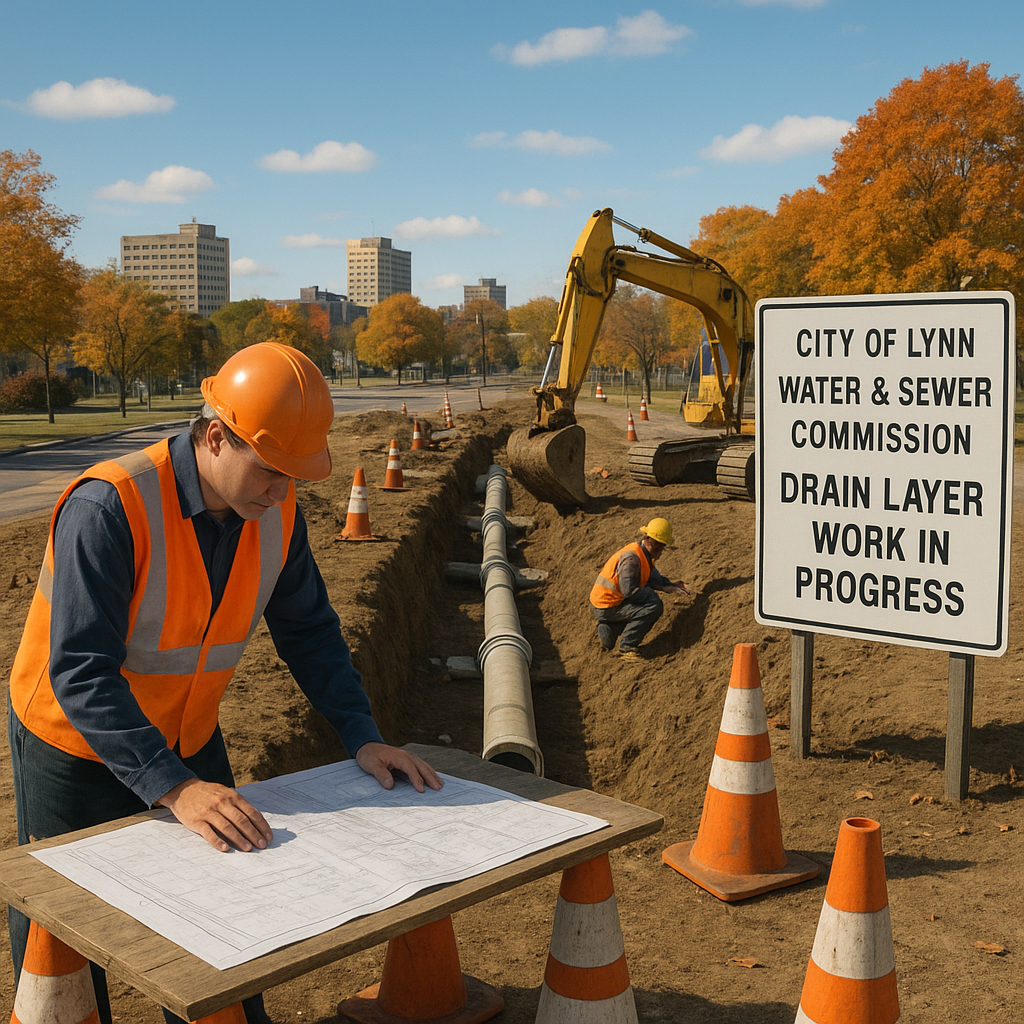
If you’re a contractor who digs into streets or sidewalks in Lynn, Massachusetts—especially for water and sewer jobs—you’ve probably heard the term “drainlayer bond” tossed around. It might sound like just another piece of paperwork, but it’s actually a pretty important part of doing business the right way. So, what exactly is this bond, and why does the City of Lynn Water & Sewer Commission require it? Let’s break it down in plain English, without all the insurance-speak that can make your head spin.
What is a Lynn MA Drainlayer Bond, Really?
Think of a drainlayer bond as a promise you make to the city—but with teeth. It’s a type of surety bond that guarantees you’ll follow all the rules when you open up a street, sidewalk, or public right-of-way for water or sewer work. If something goes wrong—say, you don’t backfill a trench properly, or you leave the site a mess—the city has a financial safety net to fix things without dipping into taxpayer dollars. In Lynn, this is often called a Lynn MA Drainlayer Bond or a Street Opening Bond. Both names point to the same core idea: you’re allowed to break ground, but you’re also responsible for putting everything back together correctly.
A Simple Analogy: Renting a Tuxedo
You know how a tuxedo rental shop asks for a deposit in case you spill red wine on the jacket? A drainlayer bond works a bit like that deposit, except instead of a shop, it’s the City of Lynn Water & Sewer Commission holding the security. You don’t pay the full bond amount upfront like a deposit. Instead, you pay a small premium—usually a percentage of the total bond—and the surety company backs you. If you “spill the wine” by doing shoddy work or leaving a pothole, the city can make a claim on the bond to pay for repairs. Then, you’ll need to reimburse the surety company. It keeps everyone honest.
Why the City of Lynn Water & Sewer Commission Requires This Bond
You might wonder, “Isn’t a business license enough?” Not quite. Digging into public streets and sidewalks involves a lot of risk. Underground utilities like gas lines, fiber optic cables, and water mains are all crisscrossing beneath the pavement. One wrong move can cause a sinkhole, a water main break, or even a dangerous gas leak. The bond protects the public—both their safety and their wallets—by ensuring that licensed drainlayers are accountable for their work long after the asphalt is patched.
The City of Lynn, Water & Sewer Commission specifically oversees these bonds because they manage the infrastructure you’re tapping into. When you connect a new building’s sewer line to the city main, or repair a water service line under the street, you’re literally working on the city’s arteries. They need to be sure you won’t leave a mess behind.
What Does “Right-of-Way” Have to Do With It?
You’ll often see “Drain Layer – Right of Way” on the paperwork. The right-of-way is the strip of land owned by the city that includes the street, sidewalk, and sometimes the grassy strip between the sidewalk and curb. If your project requires opening up any of that area, you’re in right-of-way territory, and the bond requirement kicks in. It doesn’t matter if you’re doing a full street cut or just a small service connection—the rule applies.
Who Needs a Drainlayer Bond in Lynn, MA?
Not every contractor needs this bond. You specifically need it if you’re performing drainlayer work—installing, repairing, or connecting water and sewer lines that involve cutting into public streets or sidewalks. This typically includes:
- Plumbers doing new sewer tie-ins for residential homes.
- Excavation contractors replacing old water services.
- Utility companies laying new mains.
- Any business that physically opens the street and operates within the city’s right-of-way for water/sewer purposes.
If you’re only doing work on private property and don’t touch the street or sidewalk, you might not need the bond. But the moment your shovel breaks the pavement owned by the city, you’re on the hook. A quick call to the Water & Sewer Commission can clear up any gray areas—better safe than sorry.
How Much Does the Bond Cost?
Here’s where many business owners breathe a sigh of relief. You don’t have to pay the full bond amount out of pocket. The required bond amount for a Lynn drainlayer is often set at a few thousand dollars (the city will tell you the exact figure, as it can change). The premium you pay is just a small fraction—typically 1% to 5% of the total bond amount, depending on your credit and business financials. So, if the bond amount is $5,000, you might pay as little as $50 to $250 per year. That’s a manageable cost for the privilege of working on city streets.
Keep in mind, the bond must stay active for as long as you’re doing that type of work. If you let it lapse, you could lose your permit to open streets, grind your projects to a halt, and even face fines. It’s a maintenance item, like your driver’s license.
How to Get Your Lynn MA Drainlayer Bond
Getting bonded isn’t a maze, but it does have a few steps. You’ll work with a surety bond agency that understands Massachusetts municipal requirements. They’ll ask for basic business information, possibly a credit check, and details about the type of work you do. The process usually goes like this:
- Confirm the exact bond amount and form with the City of Lynn Water & Sewer Commission. They’ll provide a bond form or specify what the bond must say.
- Contact a surety bond provider. Many agencies offer online quotes for street opening bonds, or you can call a local agent who knows the Lynn area.
- Submit an application. You’ll need your business license number, contact info, and possibly some financial history.
- Pay the premium. Once approved, you pay the annual premium and receive the bond document.
- File the bond with the Water & Sewer Commission. Until they have a copy on file, you’re not authorized to pull street opening permits.
Don’t cut it close to your project start date. The approval can be fast—sometimes same-day—but if there are any hiccups, you don’t want to delay your crew.
What Happens If You Work Without a Bond?
Let’s say you skip the bond to save a few bucks. Maybe nobody will notice, right? Wrong. The city’s inspection teams frequently check active job sites. If you’re caught opening a street without the proper bond and permit, you’re looking at stop-work orders, fines that can dwarf the bond premium, and a damaged reputation with the very people who issue your permits. Homeowners and general contractors who hire you might view an unlicensed, unbonded drainlayer as a red flag. It’s simply not worth the gamble.
Common Questions Drainlayers Ask
Is this the same as general liability insurance?
No, and it’s important to know the difference. General liability insurance protects you if your work causes property damage or injury. A drainlayer bond protects the city and the public. It doesn’t cover your tools, your truck, or your own business losses. You’ll typically need both insurance and the bond to be fully compliant.
Does the bond cover all my crews and subcontractors?
Usually, the bond covers the business entity named on it. If you use subcontractors, you need to make sure they are also licensed and bonded if they’re doing street cuts. The City of Lynn wants the ultimate responsibility to fall on someone—make sure that someone isn’t you by accident because you hired an unbonded sub.
What if I only do emergency repairs?
Even emergency water main breaks require the proper credentials. In some cases, you might get temporary permission to do immediate life-safety work, but you’ll still need to produce the bond retroactively. It’s smarter to have the bond in place so you’re ready to go when the phone rings at 2 a.m.
Making Sense of the “Street Opening Bond” Name
If you’re researching this topic, you’ll run into the term Lynn MA Street Opening Bond a lot. While “Drainlayer Bond” focuses on the type of work, “Street Opening Bond” focuses on the action—cutting into the street. Don’t get confused. For water and sewer jobs, they’re essentially the same bond. The city might refer to it as a Drainlayer Bond because that’s the license classification, but some paperwork calls it a Street Opening Bond. When in doubt, ask the Commission which exact bond form they need. They’ll point you to the right one.
A Final Word for Contractors
Getting a drainlayer bond in Lynn, MA, is one of those behind-the-scenes things that doesn’t make your phone ring, but it absolutely keeps your work flowing. It proves you’re a professional who stands behind their work, and it gives the city peace of mind. Next time you’re bidding on a water or sewer project that involves cutting the pavement, factor in the bond cost and timeline. That way, you’ll walk onto the job site with confidence, knowing the paperwork is settled and you can focus on doing what you do best—quality underground work.
Remember, regulations can change. Always reach out to the City of Lynn Water & Sewer Commission directly for the latest bond amounts and requirements. A quick chat can save you days of headaches later. Happy digging—safely and bonded!