Navigating Marlborough, MA's street opening bond requirement is simpler than it seems, serving as a financial guarantee that any work in the public right-of-way is done correctly. Homeowners and contractors must secure this bond before excavating, but reputable contractors typically handle the process and include the cost in their estimates.
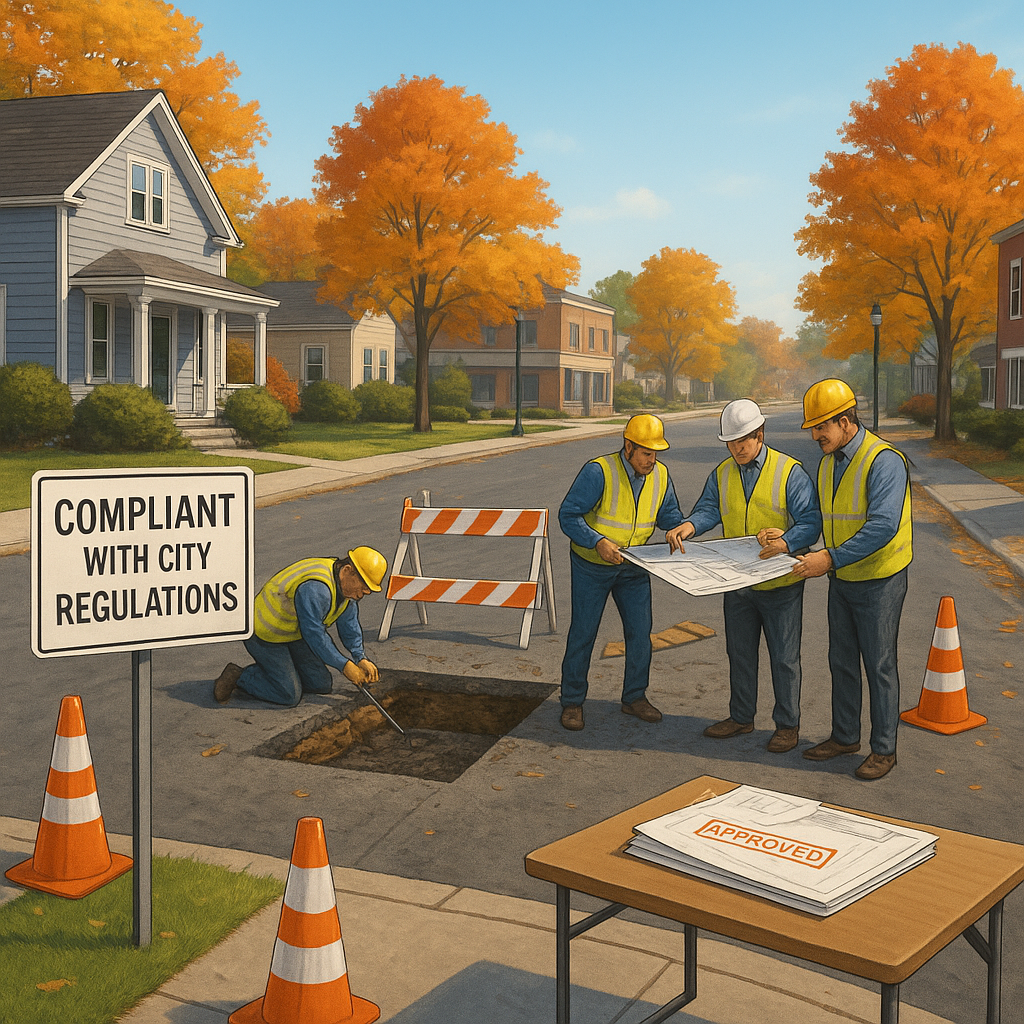
Picture this: You’ve saved up for years, sketched out the perfect driveway layout, and found a trusted contractor to turn that gravel patch into smooth asphalt. Then, just as the project is about to kick off, someone mentions you need a “street opening bond” from the City of Marlborough. Your first thought might be, “What on earth is that—and why does it feel like a surprise pop quiz?”
Don’t worry. You’re not alone, and it’s far simpler than it sounds. Whether you’re a homeowner overseeing a new driveway installation or a contractor juggling multiple jobs, understanding Marlborough’s street opening bond requirement can save you time, money, and a few headaches. Let’s break it all down in plain, everyday language.
What Exactly Is a Street Opening Bond?
Think of a street opening bond as a promise you make to the city. It’s a financial guarantee that any work you do in the public right-of-way—like cutting into the street to connect a driveway—will be done correctly, safely, and according to local rules. If something goes wrong, the bond ensures the city has funds to fix it without dipping into taxpayer dollars.
Legally speaking, it’s a type of surety bond. That just means three parties are involved: you (the principal), the city (the obligee), and an insurance or surety company (the surety). The surety backs your promise, but you’re ultimately responsible for doing the job right. In simpler terms, it’s like leaving a refundable security deposit with the city. Do the work properly, restore the street to its original condition, and you’re off the hook.
Why Does Marlborough, MA Require This Bond?
Marlborough is a vibrant community with roads, sidewalks, and underground utilities that everyone shares. When someone cuts into the street—whether for a new driveway, sewer repair, or utility line—there’s a risk of damaging public property. Potholes, cracked pavement, poorly compacted trenches, or even a damaged water main could disrupt daily life for dozens of residents.
The city’s street opening bond requirement is a protective measure. It puts a system in place so that whoever digs into the public way is financially accountable for restoring it. In short, the bond helps keep Marlborough’s streets safe, smooth, and resilient for years to come. It’s not red tape for the sake of red tape; it’s a quiet guardian of the roads we all rely on.
Who Needs One? Homeowners vs. Contractors
This part often causes confusion. The rule of thumb is: if you—or someone you hire—will be excavating or cutting into any part of a public street, sidewalk, or right-of-way in Marlborough, a street opening bond is required before the work begins.
Usually, the bond is secured by the contractor performing the work, not the homeowner. Reputable driveway contractors in Marlborough already know this drill. They’ll pull the necessary permit, arrange the bond, and roll the cost into your project estimate. But here’s a little advice: always ask your contractor upfront, “Will you handle the street opening bond and permit?” If they seem unsure or tell you it’s your job, that’s a red flag. A contractor experienced in “Compliance Only” paperwork will have a smooth process ready to go.
In some cases, a homeowner acting as their own general contractor might need to obtain the bond themselves. That’s rarer but worth knowing if you’re the DIY type planning a major driveway project.
The Typical Process: Step by Step
Let’s walk through the journey so it feels less like a maze. While every situation has its quirks, the path to a compliant street opening bond in Marlborough generally looks like this:
- 1. Determine the scope of work. Will you be opening the street, sidewalk, or curb? The city permit office can help clarify what’s needed.
- 2. Apply for the street opening permit. This happens at Marlborough’s Department of Public Works or the Building Department. They’ll outline the specific bond amount required.
- 3. Contact a surety bond provider. An insurance agency that specializes in bonds can issue the street opening bond quickly—often the same day.
- 4. Submit the bond and any other documents. The city will review everything before giving the green light.
- 5. Complete the work and schedule an inspection. Once the job is done and the street restoration passes inspection, the bond obligation typically expires after a maintenance period (often 12 months).
Sounds manageable, right? The key is starting early. Don’t wait until the excavator is idling in your front yard to begin the paperwork.
Common Roadblocks (and How to Streamline Your Way Around Them)
Even simple processes can hit snags. Here are a few hurdles people often face—and some practical ways to glide right past them.
Misunderstanding the Bond Amount
Marlborough may set a specific bond amount based on the area of excavation or the project’s estimated impact. If you guess wrong, you might apply for too little and get rejected, or too much and overpay. Ask the city directly before applying: “What bond amount do I need for this driveway apron?” That one question can save a week of back-and-forth.
Waiting Too Long to Start the Paperwork
Contractors juggling multiple jobs sometimes put off bonding until the last minute. Then the weather window closes and homeowners get frustrated. A streamlined process means making the bond and permit step one of your project timeline, not a forgotten footnote.
Going It Alone Without a Bond Specialist
Surety bonds aren’t like regular insurance. They have their own lingo and underwriting standards. Working with an agency that knows the ins and outs of Marlborough’s requirements can turn a week-long puzzle into a one-hour task. Look for an agent who says, “We handle street opening bonds for driveway contractors in Massachusetts all the time.” That expertise is worth its weight in gold.
What Does a Street Opening Bond Cost?
Costs vary, but let’s demystify them. You won’t pay the full bond amount (say, $5,000 or $10,000) out of pocket. Instead, you pay a premium—a small percentage of that total. For a well-qualified applicant, premiums might range from 1% to 5% of the bond amount. So, a $5,000 bond could cost as little as $50 to $250.
Several factors influence your rate: the bond amount, the applicant’s credit score, and the surety company’s appetite for the risk. Good credit often unlocks the lowest rates. If you’re a contractor, building a friendly relationship with a bond agency can lead to repeat discounts and faster processing over time. And if you’re a homeowner reimbursing a contractor for the bond, knowing these numbers helps you spot a fair markup.
Handy Tips to Keep the Process Breezy
- Keep a simple checklist ready. City permit application, bond request form, proof of insurance, and construction plans. Having these scanned and organized cuts down on email ping-pong.
- Ask the city about “Compliance Only” bonds. These are often used when the contractor already has a standing bond facility, simplifying the renewal and filing steps.
- Don’t forget the maintenance period. Many bonds stay active for a year after restoration to cover any settlement or pavement failure. Plan your calendar accordingly.
- Communicate with your contractor. If you’re a homeowner, ask for a copy of the bond certificate. It’s your peace of mind that the work is backed by a real guarantee.
Real-Life Example: A Driveway That Almost Derailed
Let’s paint a quick picture. Mark, a homeowner on a quiet Marlborough street, hires a local paving company to widen his driveway. The company’s crew shows up on Monday morning ready to dig, but there’s no street opening bond in place. The city inspector swings by and issues a stop-work order. Mark’s driveway is now a muddy trench for three extra days while the contractor scrambles to get bonded. Frustration all around.
Now, imagine the flip side. Mark’s contractor applied for the bond the week before, secured a $5,000 compliance-only bond for a modest $150 premium, and sent the documents to the city with the permit application. The inspector arrives, sees everything is in order, and gives a thumbs-up. The crew completes the work on schedule, the road is restored beautifully, and a year later the bond is automatically released. No drama, no delays.
The difference? A little planning and a partner who understands the process. That’s the streamlined experience you deserve.
Your Next Move
If you’re a driveway contractor working in Marlborough, MA, the street opening bond doesn’t have to slow you down. Think of it as your professional handshake with the city—a simple step that builds trust and keeps projects rolling. If you’re a homeowner, now you know to ask your contractor about the bond early, preferably at the estimate stage. Look for those three magic words: “We’ll handle it.”
When you’re ready to start, reach out to a surety bond provider that knows the local landscape. Ask them about Marlborough’s street opening bond requirements, typical turnaround times, and whether you qualify for a compliance-only policy. With the right help, you can go from confused to confident in less time than it takes to drink your morning coffee.
Got questions? Drop them in the comments, and let’s keep the conversation rolling. Here’s to smoother driveways, safer streets, and a process that actually makes sense.