Cambridge’s sidewalk business use permit allows local entrepreneurs to use public space for commercial activities like outdoor dining or displays, with a bond requirement ensuring safety and accessibility. The permit process balances business growth with pedestrian-friendly, historically preserved streetscapes.
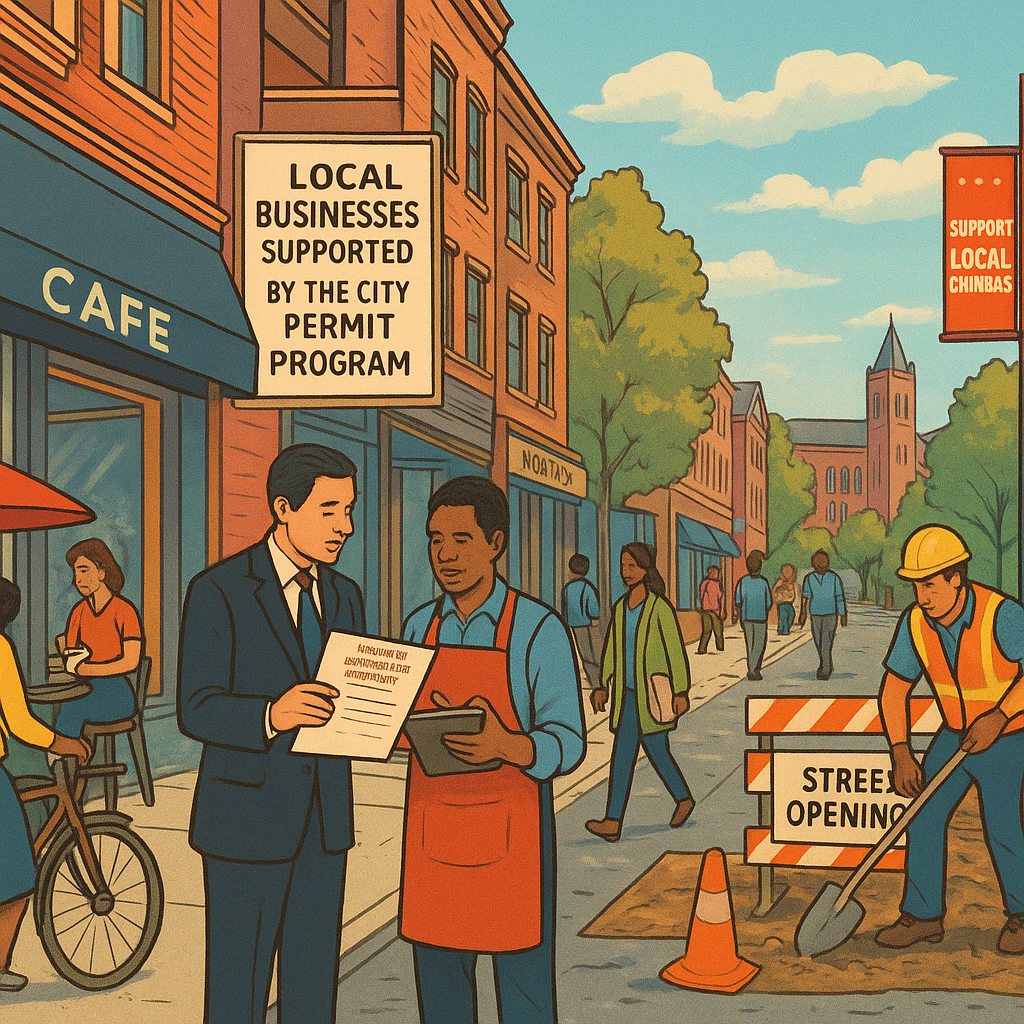
So, you’re a Cambridge entrepreneur with a big dream and a storefront that spills onto the sidewalk. Maybe you run a cozy café that could use a few bistro tables, or a boutique that thrives on eye-catching displays. You’ve heard the city requires a sidewalk business use permit, and there’s even talk of a bond. It sounds like a tangle of red tape, right? Don’t worry. This guide is your friendly walkthrough — just like the ones you want your customers to enjoy on a sunny afternoon.
What Exactly Is a Sidewalk Business Use Permit?
Think of it as the city’s way of saying, “Yes, you can borrow a little piece of public space for your business, but let’s make sure everyone stays safe and happy.” A sidewalk business use permit is an official okay from the City of Cambridge that allows you to use part of the public sidewalk for commercial activities. That could mean outdoor dining tables, a sandwich board sign, a display rack of handmade goods, or even a small newsstand. Without it, that charming café setup isn’t so charming in the eyes of the law.
In Cambridge, Massachusetts, the permit often comes with a specific requirement: a sidewalk business use permit bond. More on that in a moment. For now, just know that the permit is part of the city’s commitment to keeping sidewalks accessible, attractive, and safe for everyone — from your customers to a parent pushing a stroller.
Why Does Cambridge Require This Permit in the First Place?
Picture a sidewalk without rules. Every restaurant might crowd the walkway with extra-large patios. Signs could block the path. Suddenly, that charming street becomes an obstacle course. The permit process prevents chaos. It ensures a clear pedestrian path, protects accessibility for people with disabilities, and maintains the historic character of Cambridge neighborhoods. The city isn’t trying to squash your business spirit; it’s balancing private enterprise with public good. A little structure keeps the streetscape inviting for everyone — and that ultimately benefits your business too.
Who Needs a Cambridge MA Sidewalk Business Permit?
If your business touches the public sidewalk in any commercial way, you probably need one. This applies to:
- Restaurants and cafés setting up outdoor dining tables and chairs
- Retail stores displaying merchandise, flower stands, or produce outside
- Barbershops or salons placing A-frame signs on the walkway
- Newsstands, kiosks, or pop-up vendors using dedicated sidewalk spots
- Any business encroaching beyond their property line with permanent or temporary fixtures
Imagine you own a little bakery on Massachusetts Avenue. You want to place two small tables and four chairs on the wide sidewalk in front of your window so customers can enjoy their scones fresh from the oven. That’s a classic scenario where the city will ask, “Do you have your sidewalk business use permit?” The answer should be a confident “yes.”
Understanding the Sidewalk Business Use Permit Bond
Now let’s demystify the bond. A sidewalk business use permit bond is a type of surety bond. It’s not a traditional insurance policy for your business — it’s a financial promise made to the city. Think of it like a security deposit when you rent an apartment. The landlord (Cambridge) wants assurance that if you damage the property (the sidewalk) or break the lease rules, they can recoup the costs. The bond works the same way. If you fail to maintain the sidewalk area properly, create a tripping hazard, or leave damage after removing your setup, the city can file a claim against the bond to cover repairs or cleanup.
Here’s an important clarification: the bond protects the city, not you. If a customer trips over your chair and sues, the bond doesn’t cover that. That’s what your general liability insurance is for. The bond simply guarantees you’ll follow the rules and keep the public space in good shape. The required bond amount varies; it could be $5,000 or $10,000, depending on the specific permit type and location. You don’t pay the full amount upfront, though. You pay a small premium — often 1% to 3% of the bond total — to a surety company. So a $5,000 bond might cost you as little as $100 to $150 annually. It’s an affordable way to demonstrate your commitment to being a good sidewalk neighbor.
How to Apply for Your Sidewalk Permit in Cambridge, MA
The application process might feel like a puzzle, but we’ll piece it together step by step. First, confirm which city department oversees sidewalk permits. Typically it falls under the Department of Public Works or the License Commission. A quick call or visit to the city’s official website will point you in the right direction. Once you know where to go, you’ll generally follow this path:
Start by drafting a clear site plan. This drawing shows exactly how much sidewalk space you intend to use, where your tables or displays will sit, and crucially, how much unobstructed walking area remains. Cambridge takes pedestrian clearance seriously — you usually must leave at least 4 to 5 feet of clear path for accessibility. Next, gather other required documents: your business license, proof of liability insurance, and your bond certificate from a licensed surety company. Then submit the application along with any applicable fees. City staff will review your plan, may conduct an on-site visit, and if all looks good, issue your permit.
Pro tip: Don’t wait until the first warm day of spring to apply. The review can take a few weeks, so start early. This way, you’ll have the green light before your customers start dreaming of iced lattes on the patio.
Documents You’ll Typically Need
- A detailed site plan with precise measurements
- Certificate of the sidewalk business use bond
- Proof of commercial general liability insurance
- Current business license or certificate of occupancy
- Photos or renderings of the proposed setup (helpful but not always mandatory)
- Application form and payment for the permit fee
Costs and Fees to Budget For
Running a business means watching every dollar, so let’s talk money. The total cost of your sidewalk permit will include the city application fee, an annual permit fee, and the bond premium. Application and permit fees can range from roughly $50 to a few hundred dollars depending on the size and type of use. The bond premium, as mentioned, is a small percentage of the bond amount. If you work with a surety bond agency, they’ll quote your exact premium after a quick credit check. Budget for all these costs together — they are far less than the fines you’d face for operating without a permit.
Tips for a Smooth Application Journey
A little preparation saves a lot of headaches. First, measure your space twice and draw your plan once. A tape measure and some chalk on the sidewalk can help you visualize the exact footprint. Keep that 4-foot clear path in mind like a golden rule. If you’re unsure, visit a nearby business that already has an approved setup and ask about their experience. City staff are usually happy to answer questions too — a brief email can clarify whether your plan fits the guidelines.
What if you have a sloping sidewalk or a historic district? Those quirks might require extra approvals. Don’t guess. Ask early. I’ve seen a bookstore owner waste weeks on a creative display plan only to learn that the historic commission needed a say. A quick call saved them from that misstep. Also, make sure your bond agent understands Cambridge’s specific wording. The city will want the bond form to match their exact requirements, down to the obligee name.
What If You Skip the Permit and Just Wing It?
It’s tempting to think, “It’s just a little table — who would notice?” The city notices. Enforcement officers routinely inspect commercial areas. Operating without a permit can lead to daily fines that pile up quickly, orders to remove your items immediately, and even a damaging mark on your business reputation. Worse, if an accident happens on your unpermitted setup, you could face serious liability headaches. The permit process exists to protect you as much as the public. So why risk it?
Renewal and Long-Term Compliance
Your sidewalk permit is not a one-and-done deal. In Cambridge, these permits typically need annual renewal. That means updating your insurance certificate, ensuring your bond is still active, and paying the renewal fee. Use this as a reminder to assess your setup: Are the tables getting wobbly? Is the sign peeling? Fix those small issues before they become big problems. A well-maintained outdoor area reflects wonderfully on your business and keeps the city happy.
Seasonal considerations matter, too. When winter arrives, you may need to clear snow from your permitted area. Some permits have specific snow removal responsibilities. Stay on top of this to avoid complaints and bond claims. A little proactive care means your bond remains just a piece of paper in a drawer, not something you ever have to use.
Frequently Asked Questions
How long does it take to get approved? After you submit a complete application, expect anywhere from two to six weeks. Complex setups or historic district locations might take longer.
Can I put up umbrellas or heaters? Possibly, but they often require separate review. Anything that extends higher or further might need additional permitting. Check with the city.
Is the bond premium refundable if I don’t get the permit? Usually no. The premium is the cost of issuing the bond and is considered earned by the surety. However, some surety companies might offer a cancellation credit if the bond is never filed. Ask your bond agent.
What if my business is on private property but my sign leans onto the sidewalk? If any part of your business asset crosses the property line onto public right-of-way, you likely need a permit. When in doubt, ask.
Embrace the Opportunity – Legally and Proudly
Sidewalk use is one of the most powerful tools a local entrepreneur has. It invites people in, adds energy to the street, and makes Cambridge a place where community life thrives. By securing your sidewalk business use permit and the required bond, you’re not just checking a bureaucratic box. You’re signaling that you respect your city, care about your customers, and are ready to contribute to the vibrant tapestry of Cambridge, Massachusetts.
So go ahead, dream up that perfect outdoor setting. Make it welcoming, make it beautiful, and make it yours — with the confidence that you’ve done things the right way from the very first step.