Newington, Connecticut requires contractors to secure a Drain Layer, Street Excavation, Driveway, Curb and Walk Layer’s Bond before digging into public property, ensuring they restore streets, sidewalks, and curbs to their original condition. This financial guarantee protects the town and its residents from poor workmanship and costly repairs without using taxpayer funds.
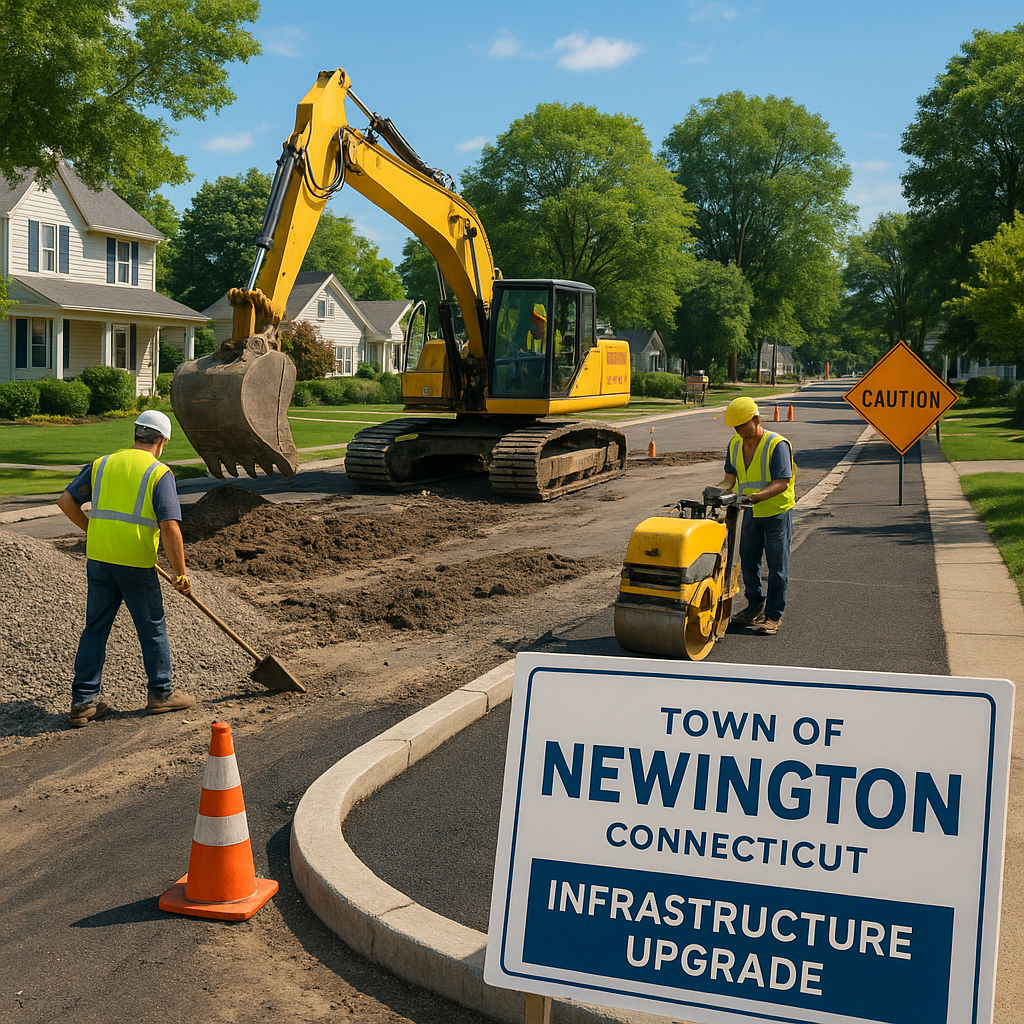
Have you ever watched a crew dig up a street in your neighborhood and wondered, “Who makes sure they put everything back the way it was?” If you live in Newington, Connecticut, there’s a quiet hero behind the scenes that protects your sidewalks, curbs, and roadways. It’s called a Drain Layer, Street Excavation, Driveway, Curb and Walk Layer’s Bond, and it plays a huge role in keeping the town’s infrastructure safe and beautiful. Today, we’re diving deep into what this bond is, why it matters, and how it helps both contractors and the community breathe a little easier.
What Exactly Is a Drain and Excavation Bond?
Let’s break it down in simple terms. Imagine you’re lending a friend your favorite power tool. You’d probably feel better if they gave you a small deposit, just in case it comes back damaged. A Drain and Excavation Bond works the same way, except it’s between a contractor and the Town of Newington.
When a contractor needs to dig into public property—like a street, sidewalk, or the area between the curb and your lawn—the town asks for a financial guarantee. This bond is a promise that the contractor will complete the work properly, respect public safety, and restore any disturbed surfaces to their original condition. If they don’t, the town can use the bond money to fix things without chasing down the contractor or dipping into taxpayer dollars.
In Newington, this requirement is specifically called the Drain Layer, Street Excavation, Driveway, Curb and Walk Layer’s Bond. It’s a mouthful, but every word describes the types of jobs it covers. The bond is tied to the town’s right-of-way regulations, ensuring that anyone working on public property has skin in the game.
Why Newington Requires This Bond
Newington is a town that takes pride in its neat neighborhoods, smooth roads, and well-kept walkways. But every time a plumber installs a new drain line, a utility company repairs a water main, or a homeowner wants to widen their driveway, the ground gets opened up. Without clear rules, that freshly patched asphalt could turn into a pothole paradise a few months later.
The bond requirement is the town’s way of saying, “We trust you to do the job, but we have a safety net.” It holds contractors accountable for:
- Restoring the street pavement to its original thickness and smoothness.
- Replacing any concrete curb or sidewalk that gets removed.
- Making sure driveway aprons (the part where your driveway meets the street) are built to code.
- Properly reseeding or landscaping any grassy areas that get torn up.
This isn’t just about aesthetics. Poorly backfilled trenches can sink over time, creating tripping hazards and damaging vehicle suspensions. Standing water from a bad drain installation can freeze in winter, turning a quiet street into an ice rink. The bond is a financial shield that protects everyone from these headaches.
The Nuts and Bolts of Covered Work
So, what kinds of projects trigger the need for a bond in Newington? You might be surprised how many everyday improvements fall under this umbrella.
Drain Laying and Repair
Whether it’s a brand-new storm drain to stop your basement from flooding or a repair to an old clay sewer line, any work that involves digging in the public right-of-way needs a bond. The contractor must ensure the drain is correctly sloped, tightly sealed, and that the trench above it doesn’t become a long-term weak spot in the pavement.
Street Excavation
This is the big one. Cutting into a town street means dealing with heavy traffic, underground utilities, and strict timelines. The bond guarantees that the excavation is done safely, with proper signage and steel plates, and that the final paving blends seamlessly with the surrounding road. Nobody wants a bumpy patch that feels like a speed bump every time you drive over it.
Driveway Installation and Modification
Thinking about widening your driveway or replacing that cracked concrete apron? The part that crosses the town’s right-of-way isn’t entirely your private property—it’s often within a public easement. The bond ensures your hired contractor builds it to the town’s specifications, with the correct slope, thickness, and drainage so water flows into the street gutters, not your garage.
Curb and Walk Layer’s Work
From a single section of broken curb to an entire sidewalk replacement, these concrete elements are governed by the bond. Newington wants uniformity and durability, especially where pedestrians, kids on bikes, and strollers are involved. A poorly finished curb might look okay at first, but after a few freeze-thaw cycles, it can crumble. The bond gives the town leverage to demand a redo if the workmanship isn’t up to par.
How the Bonding Process Works (Without the Jargon)
You might picture stacks of complicated paperwork, but getting a Right-of-Way bond in Newington is surprisingly straightforward. Typically, here’s what a contractor or homeowner managing a project can expect:
- Permit application first: Before any digging starts, the contractor (or sometimes the property owner pulling the permit) submits an application to the town’s Engineering or Public Works department. They’ll outline the scope of work, location, and how long it will take.
- Bond amount determination: The town calculates the bond based on the estimated area of disturbance. A small drain repair might need a $2,000 bond, while a major road reconstruction could require $20,000 or more. The idea is to cover the town’s cost to hire someone else if things go wrong.
- Obtaining the bond: The contractor goes to a surety company or insurance agency. They pay a small percentage of the total bond amount as a premium—often 1% to 15% depending on their credit and track record. The bond is then filed with the town.
- Inspection and release: After the work is done, a town inspector will check the restoration. Once everything gets the green light, the bond is maintained for a set period (often a year or two) to cover any settling or defects. After that maintenance period, the bond is exonerated, and the contractor’s obligation ends.
What if the worst happens? Suppose a contractor skips town leaving an open trench. The town files a claim against the bond. The surety company investigates and, if valid, pays out up to the bond amount. The contractor then has to repay the surety—so there’s a strong motivation to do the job right the first time.
Why This Bond Is a Win-Win for Everyone
At first glance, bonds might seem like one more bureaucratic hoop to jump through. But when you look closer, they create a healthier relationship between the town, contractors, and residents.
For homeowners: You get peace of mind. If you hire a bonded contractor to replace your driveway apron, you know the town has an extra layer of oversight. The bond helps ensure that your investment won’t turn into a messy patch job that lowers your curb appeal or creates drainage problems on your property.
For contractors: Being bonded isn’t just a requirement—it’s a badge of professionalism. It tells potential customers, “I stand behind my work, and the town trusts me.” It also levels the playing field. Fly-by-night operators who might underbid a job and cut corners will find it harder to compete because they can’t easily secure bonding. That means quality-minded businesses win more contracts.
For the Town of Newington: The bond is a cost-free insurance policy. Taxpayers don’t foot the bill for negligent work. The town’s infrastructure remains in top shape, which keeps property values high and communities walkable. Plus, the streamlined process means public works employees spend less time chasing after bad contractors and more time on proactive improvements.
Common Questions You Might Have
Does a Homeowner Ever Need to Get This Bond Directly?
Often, the licensed contractor you hire will already have an active bond on file with the town. Their bond acts like a blanket coverage for multiple small jobs throughout the year. But if you’re acting as your own general contractor or doing work yourself within the right-of-way, the town may ask you to obtain a bond. It’s always best to call Newington’s Engineering Department before you start any excavation near the street. They’ll tell you exactly what’s needed.
How Much Does a Bond Cost?
The cost to the contractor depends on the bond amount and the contractor’s financials. For a small $5,000 bond, a well-qualified contractor might only pay $100 to $250 annually. That small cost is usually built into the project price, but it’s pennies compared to the potential liability of an unrestored road cut. Think of it like a tiny fee for a massive safety net.
What Happens After the Bond Is Filed?
The bond doesn’t sit in a drawer collecting dust. Throughout the project, town inspectors may drop by to check progress. Once everything is restored, the bond remains active for a maintenance period. This is crucial because even well-compacted fill can settle over two winters, and that’s when cracks appear. If the pavement sinks during that time, the contractor must fix it—no arguments, no extra charges to the homeowner.
Tying It All Together: A Smoother, Safer Newington
Next time you see a backhoe on your street, you’ll know that behind the orange cones and safety vests, there’s a bond quietly safeguarding your neighborhood. The Town of Newington’s Drain Layer, Street Excavation, Driveway, Curb and Walk Layer’s Bond isn’t just a piece of paper—it’s a commitment to quality, a shield for public property, and a sign that everyone is working toward the same goal: a town we’re all proud to call home.
Whether you’re a contractor looking to expand your services or a homeowner planning that long-awaited driveway upgrade, understanding this bond makes you a smarter player in the whole process. It turns what could be a confusing requirement into a tool that protects your investment and keeps Newington’s streets safe, smooth, and beautiful for years to come.