Uneven sidewalks and crumbling curbs in Milford, Connecticut, create safety hazards, so the city mandates contractor bonds to ensure compliance with building codes. Reliable, compliance-focused contractors protect homeowners, businesses, and the public by delivering quality work that meets all municipal standards.
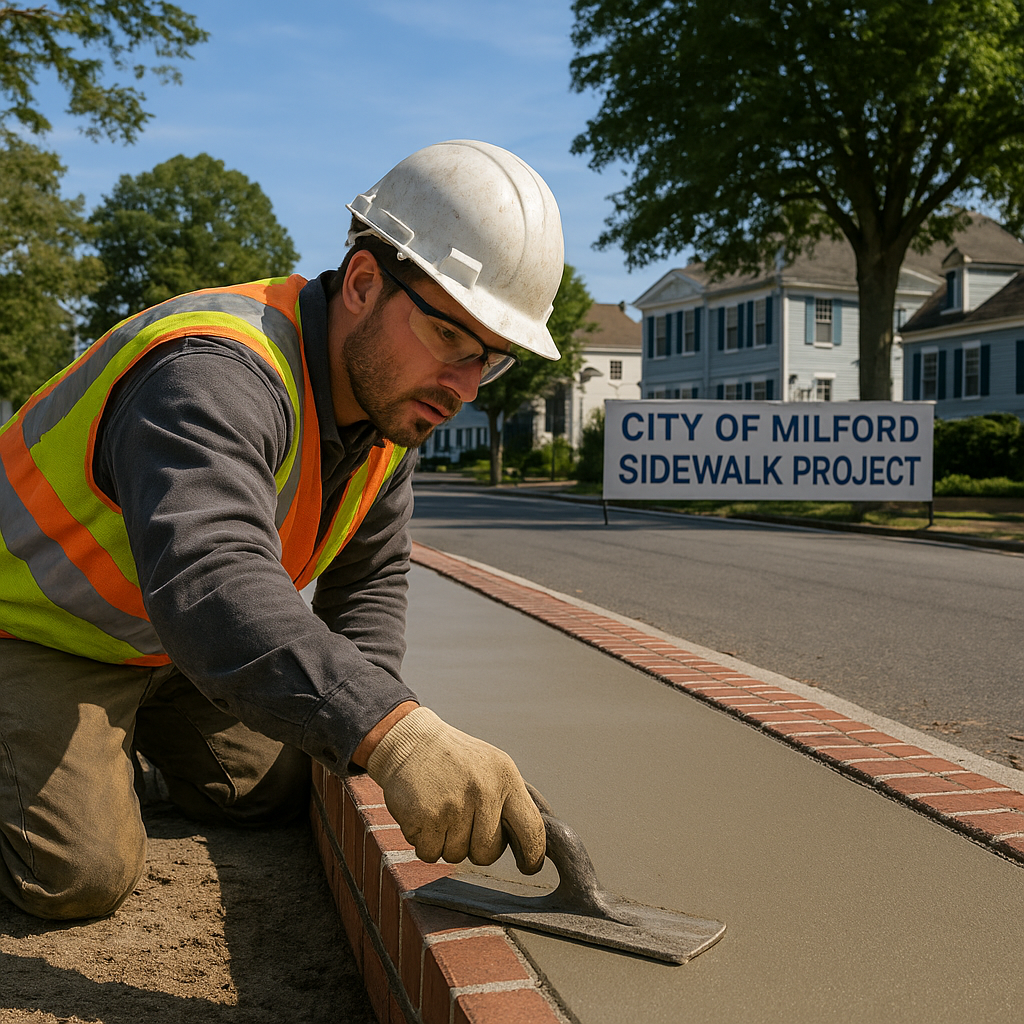
Picture yourself taking a morning stroll through downtown Milford. The sun is glinting off the harbor, and the charming storefronts invite you to window-shop. You don’t think much about the ground beneath your feet until you stumble on an uneven slab or a crumbling curb. Suddenly, that peaceful walk becomes a hazard. That’s exactly where high-quality sidewalk and curb work steps into the spotlight. In a community like ours, where pedestrians and local businesses rely on safe, attractive walkways, getting the job done right isn’t a luxury—it’s a necessity. And one of the least understood yet most important pieces of that puzzle is something called a sidewalk and curb layer bond.
If that term sounds like it belongs in a dusty legal file, bear with me. By the time you finish reading, you’ll see how this simple requirement protects homeowners, businesses, and the entire City of Milford, Connecticut. So, let’s dive into the world of sidewalk compliance, reliable contractors, and peace of mind—no law degree required.
What Exactly Is a Milford CT Sidewalk & Curb Layer Bond?
Think of a bond as a financial safety net. When a contractor takes on a project to install or repair sidewalks and curbs in Milford, the city often requires them to secure a contractor license bond specific to sidewalk and curb work. It’s not just a piece of paper stuffed in a drawer. It’s a promise backed by money that the contractor will follow all local building codes, regulations, and project specifications. If something goes sideways—like shoddy work that needs to be redone, or a job left unfinished—the bond can step in to cover the costs of making it right.
In the City of Milford, Connecticut, this isn’t optional for certain projects. The city wants to protect public property and private property owners alike. After all, sidewalks are used by everyone: kids biking to school, grandparents pushing strollers, runners clocking their daily miles. A poorly laid curb or uneven concrete isn’t just an eyesore. It’s a liability. By requiring a sidewalk and curb layer bond, Milford creates a layer of accountability that goes far beyond a firm handshake or a sleek website.
Why Compliance-Only Contractors Matter More Than You Think
You might have seen the phrase “compliance only” attached to sidewalk contractors and wondered what it means. In short, these professionals focus on one thing: completing work that strictly meets or exceeds municipal standards. They aren’t cutting corners to save a few bucks or rushing through a job to get to the next one. They specialize in staying up to date with the ever-evolving codes and permit requirements set by the city.
Why does that matter to you as a property owner or business manager? Imagine ordering a custom-built cabinet and having it arrive a few inches too wide. Frustrating, right? Now imagine that cabinet is a 50-foot stretch of public sidewalk that doesn’t meet slope requirements for accessibility. The city can require you to tear it out and start over—at your own expense. A compliance-only sidewalk and curb layer contractor in Milford CT drastically reduces that risk, because they design every step of the process around the rules that govern our community.
How the Bond Protects Milford’s Charm and Safety
Milford isn’t just any Connecticut town. We’ve got a unique coastal character, historic neighborhoods, and a vibrant downtown. Keeping our sidewalks and curbs in top shape preserves that character and keeps pedestrians safe. The required Milford CT sidewalk & curb layer bond acts as a bridge between the contractor’s responsibility and the community’s well-being.
Let’s break that down into simple, everyday terms. A bond has three parties. First, there’s the contractor buying the bond (the principal). Second, there’s the city requiring it (the obligee). Third, there’s the bonding company backing it up (the surety). If the contractor doesn’t follow the rules, the city can make a claim on the bond. The surety company then investigates, and if the claim is valid, they pay out up to the bond’s limit. Afterward, the contractor must repay the surety. So it’s not free money—it’s a powerful motivator to get the job done right the first time. That’s compliance at its core.
What Could Go Wrong Without a Bonded Contractor?
It might be tempting to hire the cheapest bidder who says they can pour a new curb in a day. After all, concrete is just concrete, right? Not quite. Modern sidewalks must meet specific grades for drainage, snow removal, and ADA accessibility. Curbs need precise dimensions to channel stormwater properly and protect asphalt edges. If a contractor ignores these details, the consequences may not appear overnight, but they will surface eventually. Cracks, ponding water, and heaving slabs from freeze-thaw cycles can turn a small saving into a massive headache.
Worse, if an uninsured or unbonded contractor damages underground utilities or causes an accident, you might find yourself staring down a lawsuit. That’s a sleepless night nobody wants. By insisting on a contractor who carries the proper sidewalk and curb layer bond in Milford CT, you’re essentially wrapping your project in a layer of insurance you didn’t have to buy yourself. It’s like having a backup singer ready if the lead voice cracks—the show goes on without skipping a beat.
Finding a Reliable Sidewalk Contractor in the City of Milford, Connecticut
Now that we’ve established the importance of the bond, how do you actually find the right team to improve your property’s walkways? Start by asking for proof. A trustworthy sidewalk and curb contractor won’t hesitate to show you their bond certificate and insurance coverage. If they dodge the question or promise to “take care of it later,” consider that a red flag the size of the Milford Green.
Next, look for local experience. Milford has its own soil types, weather patterns, and municipal departments. A contractor who has successfully navigated the city’s permitting process multiple times will save you from puzzling over paperwork. They’ll know the right people to call, the acceptable materials list, and how to schedule inspections so your project doesn’t stall for weeks. That local know-how is priceless when you’re staring at a torn-up frontage and a calendar full of plans.
Questions to Ask Before You Sign a Contract
- Can you provide a copy of your current Milford CT sidewalk and curb layer bond?
- How many similar projects have you completed in the city this year alone?
- What is your process for handling unexpected issues, like hitting underground obstructions?
- Do you manage the permit and inspection scheduling from start to finish?
- How do you handle cleanup and site restoration when the job is done?
Getting clear answers up front can save you from misunderstandings that strain both relationships and budgets. Remember, transparency is a two-way street. The best contractors appreciate clients who ask thoughtful questions because it signals a partnership built on mutual respect.
The Step-by-Step Journey of a Compliant Sidewalk Project
You might be curious about what the actual workflow looks like when you hire a bonded, compliance-only contractor. While every job is unique, the broad strokes remain consistent.
Assessment and Estimate: The contractor visits your property to measure, discuss your goals, and identify any potential challenges. This is when they’ll explain whether you need a full replacement, a simple repair, or a curb upgrade to meet modern standards.
Permitting and Bond Verification: Before a single shovel hits the ground, the contractor files for permits with the City of Milford. The bond and insurance paperwork is submitted, confirming that the project has a financial safety net in place.
Site Preparation: The area is marked for utilities, and the old concrete is carefully removed. A professional crew uses proper erosion controls to protect nearby landscaping and prevent sediment from washing into storm drains—a detail that resonates deeply in our coastal community.
Forming and Pouring: Wooden or metal forms are set to shape the new walkway and curbing. High-quality concrete is mixed and poured, then finished with a broom texture or smooth trowel, depending on the location and city specs. The contractor monitors weather conditions, because a sudden downpour can ruin a fresh pour faster than you can say “delay.”
Inspection and Final Walk-Through: A city inspector reviews the work to ensure it checks every compliance box. Once the job passes, the contractor walks you through the completed project, instructs you on curing times, and addresses any last questions. The bond remains in effect for a defined period, offering continued assurance that any latent defects will be addressed.
Why Compliance Is a Win for Milford’s Future
It’s easy to view bonds and permits as bureaucratic hurdles, but they serve a far greater purpose. Every compliant sidewalk and curb project adds to Milford’s collective safety, accessibility, and property values. When neighborhoods prioritize well-maintained pedestrian infrastructure, foot traffic to local businesses increases. Kids walk to school with fewer hazards. Seniors stay active and independent because they can navigate their own blocks without fear of tripping.
Moreover, the City of Milford Connecticut demonstrates its commitment to residents by enforcing these standards. The bond requirement isn’t there to make life difficult for contractors; it’s there to weed out the unreliable ones who give the industry a bad name. It elevates the entire playing field, rewarding those who invest in training, equipment, and a reputation for excellence.
Simple Maintenance Tips to Extend the Life of Your Sidewalk
After your new walkway or curb is installed, a little care goes a long way. Keep in mind that concrete is porous and can stain, crack, or spall if mistreated. Here are a few practical tips:
- Avoid de-icing chemicals that contain ammonium nitrates or sulfates. They attack concrete from the inside out. Use sand for traction instead.
- Fill any small cracks early with a quality concrete sealant to prevent water from seeping in and freezing.
- Trim nearby tree roots carefully. Aggressive roots can lift slabs over time, undoing all that hard compliance work.
- Re-seal the surface every few years with a breathable concrete sealer to repel moisture and road salt.
These simple habits can add decades to the lifespan of your investment, keeping your piece of Milford beautiful and safe for the long haul.
Wrapping It All Up Without the Jargon
At the end of the day, a sidewalk and curb layer bond is more than a line item on a contractor’s expense sheet. It’s a reflection of how much our city values integrity, safety, and lasting results. When you see a crew pouring concrete on your street, you’re witnessing a system designed to protect you from the ground up.
So, the next time you notice a spiffy new stretch of sidewalk along a Milford avenue, take a moment to appreciate the invisible safety net tucked beneath its surface. That bond means a promise was made, a standard was kept, and a community was strengthened—one square foot at a time. And if your own property is due for an upgrade, you now know exactly what to look for in a contractor. Compliance isn’t just a box to check. It’s the very foundation of a thriving, walkable city.