The New York Boxing Promoter’s Guarantee Bond is a mandatory surety bond that ensures promoters fulfill their financial obligations to fighters, venues, and staff, providing a critical safety net against non-payment. By requiring this bond, the state protects the integrity of the sport and guarantees that all parties involved are compensated even if a promoter defaults.
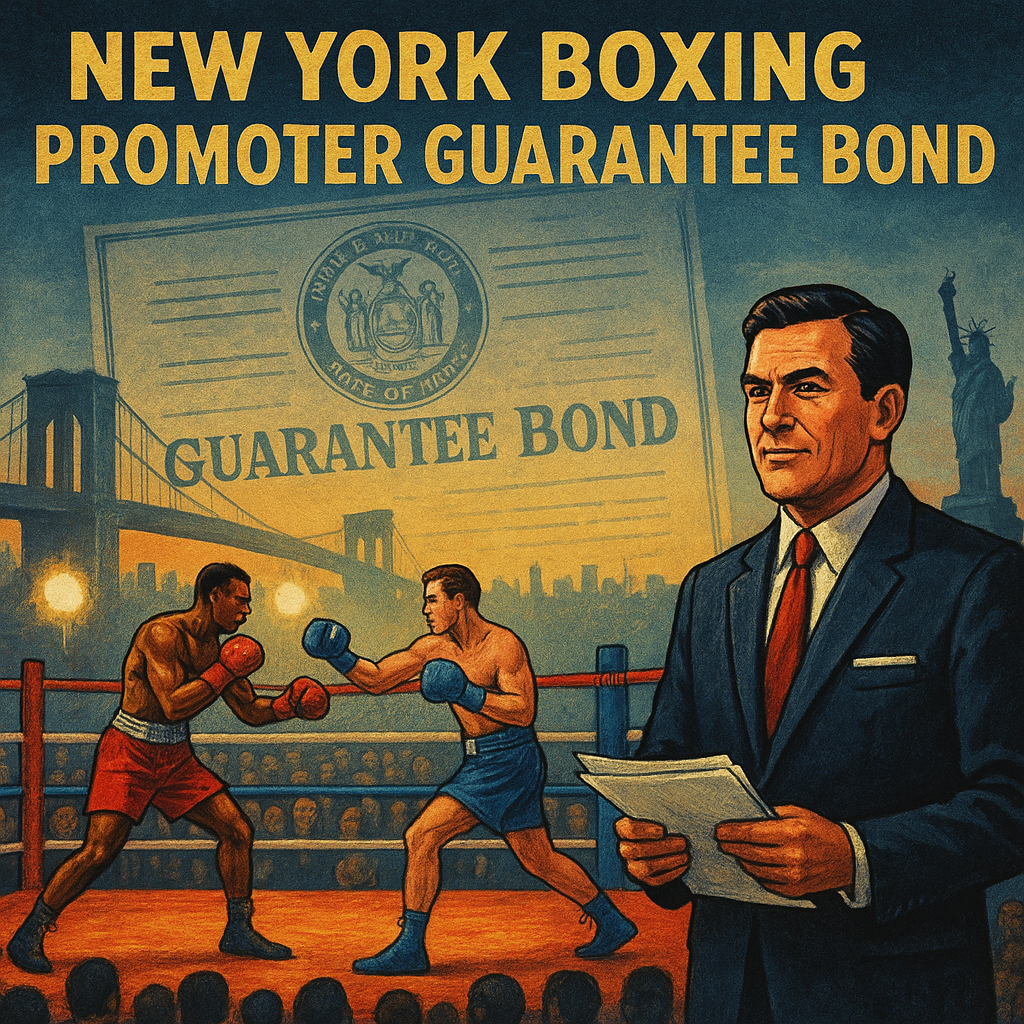
Picture this: you’re sitting ringside, the lights dim, and the crowd roars as two fighters step into the ring. The excitement is electric. But behind that thrilling moment is a web of financial promises. Fighters need to get paid. Venues need their rental fees. Everyone from the ticket seller to the cleanup crew expects compensation. So, what happens if something goes wrong and the money isn’t there? That’s where a little-known but mighty financial safety net comes into play: the New York Boxing Promoter’s Guarantee Bond.
If you’ve ever wondered how the state keeps the fight game honest and financially secure, you’re in the right place. We’re going to break down what this bond is, why it matters so much, and how it quietly protects everyone involved. No confusing legal talk—just straight answers.
What Exactly Is a Boxing Promoter’s Guarantee Bond?
Let’s zoom in on the name. Think of this bond as a promise, with a financial backbone. It is a type of surety bond that boxing promoters in New York must secure before they can legally organize and put on a match. But it’s not insurance for the promoter. Instead, it’s a three-party agreement that guarantees the promoter will follow state regulations and, most importantly, pay all the people and entities they owe.
Here’s a simple way to look at it: imagine you’re loaning your friend money to buy concert tickets, but you want a signed note from a responsible third party saying, “If your friend doesn’t pay you back, I will.” That’s similar to how the bond works. The responsible third party is the surety company. The state requires the bond to shield fighters, officials, and vendors from financial loss if a promoter fails to meet their obligations.
In New York, the bond amount is set by the New York State Athletic Commission (NYSAC). The specific requirement can vary depending on the size and type of event, but the core purpose never changes: financial protection. It’s mandatory under the rules that govern combat sports in the state.
Why Does New York Require This Bond?
New York has a long, storied history with boxing. From Madison Square Garden to small-town gyms, the sport runs deep in the state’s veins. With such a high-profile industry comes the need for strong oversight. The government isn’t just being overly cautious; it’s being practical.
Years ago, before these bonds were commonplace, some fighters would show up, give their all in the ring, and then wait weeks or months for a paycheck that never arrived. Sometimes a promoter would face financial troubles, mismanage funds, or, in rare cases, disappear entirely. The aftermath left athletes and workers in a terrible bind. The bond requirement stepped in to say, “No more.” Now, if a promoter can’t or won’t pay, a claim can be made on the bond to recover lost money.
It’s all about trust, but verified trust. The state wants to attract top talent and big events, and that only happens when everyone feels financially secure. Requiring a New York boxing promoter bond levels the playing field and weeds out promoters who aren’t financially responsible enough to back their promises.
Who Is Protected by This Guarantee Bond?
This is the heart of the bond’s significance. While the promoter is the one who buys the bond, the true beneficiaries are a wide range of people who make a fight night possible.
Boxers and Their Teams
The most obvious group. A fighter’s purse is often the result of months of grueling training, strict dieting, and sacrifice. The bond helps guarantee that the main event fighters and the undercard athletes all get paid what was promised. It doesn’t stop at the boxer, either. Managers, trainers, and corner staff who rely on a portion of that purse also have a layer of protection.
Event Staff and Venues
Think of everyone behind the scenes. The venue that rents out the hall. The ring announcer lending their voice. The timekeeper, the referees, the judges, and the medical professionals on standby. All of them provide services with the expectation of timely payment. If a promoter’s check bounces, the bond is there to help cover those unpaid bills.
The State and the Public
Yes, even the state has a stake. When a promoter follows the rules, pays taxes and fees, and runs a clean event, it upholds the integrity of the sport. The bond also ensures that any unpaid fees or fines owed to the New York State Athletic Commission can be recovered. This helps fund the commission’s work in regulating and overseeing safe events for the public.
How Does a Bond Claim Actually Work?
You might be curious about the nuts and bolts of what happens when a payment goes missing. Let’s walk through a practical example.
Imagine a small promotional company puts on a fight card in Queens. The main event boxer is owed $15,000. After the bout, the promoter says the ticket sales were disappointing and they can only pay $5,000. That’s a violation of their contract. The boxer, or their representative, can file a claim against the promoter’s guarantee bond.
The surety company will then investigate. They’ll review the contract, check the promoter’s financial records for that event, and determine if the claim is valid. If it is, the surety company will pay the boxer the remaining $10,000. But here’s the kicker: the promoter isn’t off the hook. The bond agreement requires the promoter to repay the surety company every penny. The bond is not a get-out-of-jail-free card for the promoter; it’s a credit line they must fully settle.
The Ripple Effect on the Boxing World
What’s the bigger picture impact here? This bond transforms the boxing landscape in several quiet but powerful ways.
Strengthening New York’s Reputation: When fighters and managers see that New York has strict financial protections, they’re more likely to bring their careers to the Empire State. It signals that the state is a safe, professional place to do business. This attracts bigger names and more competitive matches, which boosts tourism and local economies.
Filtering the Playing Field: Obtaining a bond isn’t automatic. Promising promoters with solid credit and a clean business history can get bonded fairly easily. Those with shaky finances might struggle or pay a higher premium. This filter naturally elevates the quality of promoters operating in the state.
Peace of Mind: For a young fighter stepping into the professional ranks for the first time, the administrative side of the sport can be overwhelming. Knowing a bond exists allows them to focus on what they do best: fighting. They don’t have to become debt collectors after the final bell.
Common Misunderstandings About the Bond
Because bonds are not always part of everyday conversation, a few myths pop up. Let’s clear them up.
Myth 1: “It’s the same as promoter insurance.” Not quite. Insurance typically shields the promoter from losses like an event cancellation due to weather. The bond shields other people from the promoter’s failure to pay or comply with the law. Different protections, different beneficiaries.
Myth 2: “The bond covers every single expense.” It only covers obligations defined by the promoter’s contract with the state and the payees laid out in the rules. There is a limit to the bond amount. If a promoter causes $100,000 in damages but only holds a $20,000 bond, the maximum payout through the bond is that $20,000. That’s why some larger events require bigger bonds.
Myth 3: “Getting bonded is complicated and expensive.” The bond premium is just a small percentage of the total bond amount—usually between 1% and 5% for well-qualified promoters. The application process is typically straightforward, especially when working with a surety bond agency that understands the sports industry.
What This Means for Aspiring Promoters
If you’re someone dreaming of putting together the next big fight night in New York, the guarantee bond should be on your early checklist. Don’t see it as a hurdle; see it as your badge of credibility. When you present that bond to the state commission, you’re showing them—and the boxers you want to sign—that you’re serious and prepared.
Start by reaching out to a reputable surety bond provider. They’ll ask about your credit, your business plan, and your financial history. It’s like a background check for your business promises. Once bonded, you’ll need to renew the bond and keep it active for as long as you’re promoting events. It becomes part of your annual business rhythm, much like renewing a license or filing taxes.
For everyone else reading this—maybe a fight fan, a boxer’s family member, or a curious taxpayer—the bond is your invisible guardian. It works behind the scenes so that the sweet science stays sweet, not sour, when things get financial.
So next time you watch two warriors trade punches under those bright lights, remember the quiet promise that helped put them there. That’s the genuine significance and lasting impact of the New York Boxing Promoter’s Guarantee Bond.