North Attleborough's Board of Public Works oversees local water, wastewater, and storm drain infrastructure, requiring contractors to secure a drain layer bond as a safety net for proper workmanship. This compliance-only requirement protects the town and its residents from costly repairs and ensures all drain work meets municipal codes.
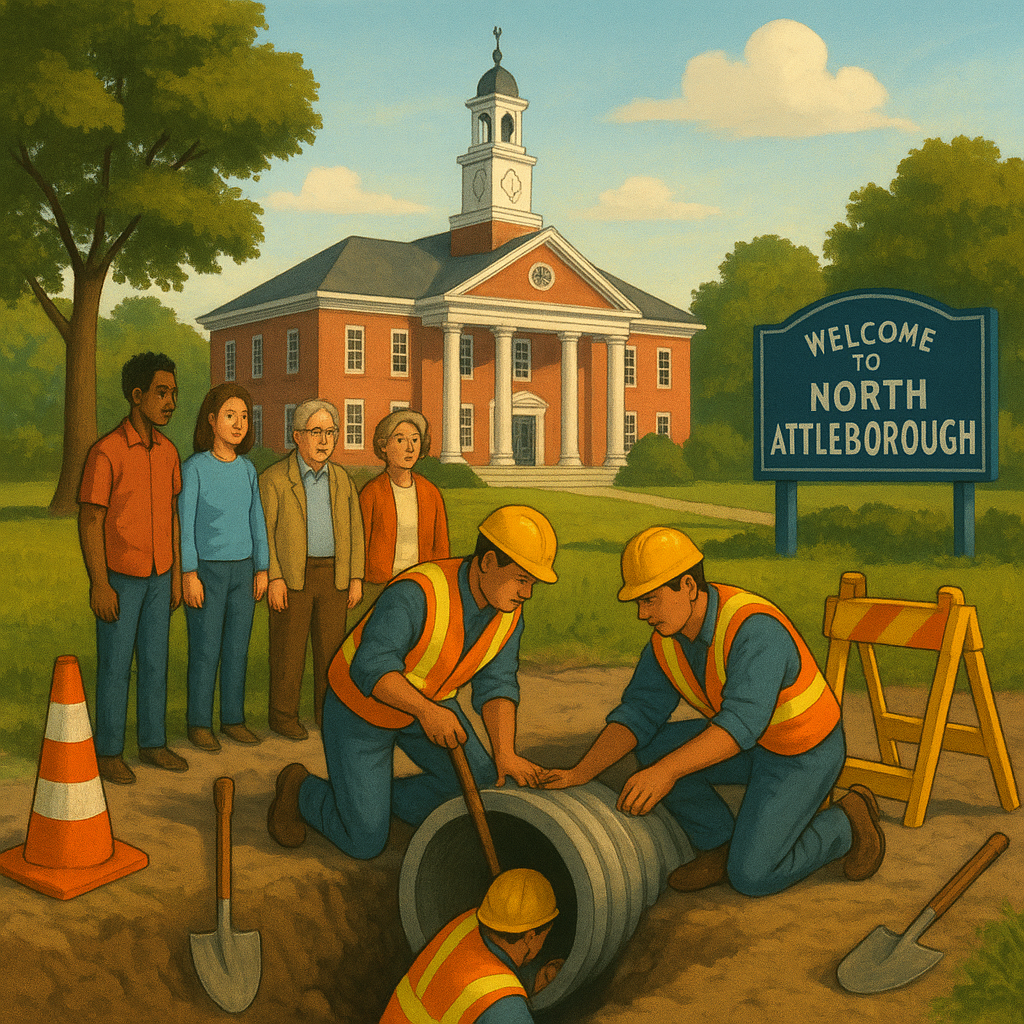
Have you ever wondered what keeps our streets from flooding or our sewer systems running smoothly? It’s not just the pipes underground — it’s also the rules and safeguards that the town puts in place. If you’re a contractor, a homeowner planning a big project, or simply a curious resident of North Attleborough, Massachusetts, you’ve probably heard about something called a “drain layer bond.” It might sound like a mouthful, but it’s actually a simple concept designed to protect everyone. In this post, we’ll walk through what the North Attleborough Board of Public Works does, why a drain layer bond matters, and how the compliance-only requirement keeps our community safe and clean.
What Is the North Attleborough Board of Public Works?
Think of the Board of Public Works (BPW) as the town’s guardians of everything that flows — water, wastewater, storm drains, and more. The North Attleborough Board of Public Works oversees the public infrastructure that most of us take for granted. From making sure your tap water is clean to ensuring that heavy rain doesn’t turn your street into a river, this board plays a vital role in daily life.
Part of their job includes regulating the professionals who work on these systems. When a contractor digs up a road to lay a new drain line or repair a sewer connection, they’re not just making a hole — they’re interacting with a shared network that belongs to the entire town. That’s where the drain layer bond comes in. It’s the BPW’s way of saying, “We trust you to do the work, but we need a promise that it will be done right.”
Understanding the Drain Layer Bond
Before we dive into the North Attleborough specifics, let’s break down what a bond really is. A lot of people hear the word “bond” and think of something complicated, but it’s essentially a three-party safety net.
What Exactly Is a Surety Bond?
Imagine you’re lending a friend your car. You’d feel better if someone you both trust promises to cover any damage, right? A surety bond works in a similar way. There’s the town (the one requiring the bond), the contractor (the one who needs to get bonded), and the surety company (the backer who guarantees the contractor will follow the rules). If the contractor messes up, the bond can cover the cost of fixing things. It’s not insurance for the contractor — it’s protection for the town and its residents.
Why Does North Attleborough Require This Bond?
In the Town of North Attleborough, Massachusetts, anyone performing drain laying work within the public right-of-way or connecting to the municipal system must typically hold a valid drain layer bond. This bond ensures that the contractor stands behind their work. If a drain is laid improperly and causes a sinkhole a year later, the bond is there to help cover the repairs without dipping into taxpayer dollars. It also guarantees that the work meets the town’s codes and specifications, so you’re not left with a patchwork fix that fails during the next Nor’easter.
Who Needs a Drain Layer Bond in North Attleborough?
This is where it gets practical. Do you need to worry about this if you’re fixing a leaky pipe under your kitchen sink? No, not at all. The drain layer bond requirement applies to licensed contractors who dig up public streets, sidewalks, or connect to the town’s main sewer and drain lines. If you’re a plumber, excavator, or civil contractor working on a larger project — say, a new subdivision, a commercial build-out, or a substantial home renovation that requires a new sewer tap — you’ll likely need to be bonded with the North Attleborough Board of Public Works.
Think of it as a professional permit. Just like you need a driver’s license to drive, contractors need this bond to prove they’re qualified and accountable.
The Compliance-Only Bond: What Does That Mean?
You might notice the phrase “Compliance Only” attached to these bonds. It’s an important distinction. A compliance-only drain layer bond specifically guarantees that the work will be performed in accordance with all local regulations, codes, and ordinances of the Town of North Attleborough. It doesn’t cover general liability, such as a worker getting injured on the job — that’s what separate insurance is for. This bond is laser-focused on making sure the drain installation or repair meets the BPW’s standards.
Why is this helpful? Because it simplifies things. The bond’s purpose is crystal clear: follow the rules, or the bond will be used to correct the violation. For the contractor, it’s a straightforward requirement. For the town, it’s a direct line of financial recourse if an inspection fails or something goes wrong.
How to Secure Your Drain Layer Bond
If you’re a contractor looking to get bonded in North Attleborough, the process isn’t overwhelming. First, you’ll need to reach out to the Board of Public Works to understand the exact bond amount they require. This can vary depending on the scope of work, but there’s usually a set amount. Then, you’ll contact a surety bond provider — many insurance agencies offer these bonds. They’ll check your credit and business history, and once approved, you’ll pay a small percentage of the total bond amount as a premium. For a bond that covers a large sum, you might only pay a few hundred dollars a year.
Once you have the bond in hand, you file it with the town. The BPW keeps it on file, and you’re clear to schedule inspections and start your projects. It’s as simple as updating your paperwork and keeping the bond active.
Common Questions About Drain Layer Compliance
Let’s tackle a few of the questions that pop up again and again. After all, compliance shouldn’t feel like a mystery.
- Do I need a bond for a small repair? If the repair involves cutting into the street or disturbing the town’s main line, the answer is almost always yes. A quick phone call to the BPW can clarify, but it’s better to be safe.
- Can a homeowner pull a bond? Usually not. Bonds are for licensed and insured contractors. The town wants the work done by a pro who bears the responsibility.
- Is a drain layer bond the same as a plumber’s license? No. A plumber’s license shows you know your craft. The bond shows you have the financial backing to make things right if something goes wrong.
- How long does the bond last? Most bonds run for one or two years and must be renewed. The BPW will remind you, but it’s wise to put a note on your calendar.
What Happens If You Work Without a Bond?
This is where things can get messy — and expensive. If a contractor performs drain laying work in North Attleborough without the required bond, the Board of Public Works can issue a stop-work order. That means tools down, and the project grinds to a halt. The contractor could face fines, and the homeowner might be left in limbo with a half-dug trench in the front yard. Beyond the immediate headache, unpermitted work might not pass inspection later, leading to costly tear-outs and re-dos. Nobody wants to pay twice for the same job.
Working without a bond also breaks the trust between the contractor and the town. It signals that the contractor isn’t willing to stand behind their work in a way that protects the public. For a homeowner choosing a professional, asking for proof of a current drain layer bond is a smart move. It’s like checking references — it separates the pros from the fly-by-night operators.
The Bigger Picture: Protecting Our Town
You might read all of this and think it sounds like a lot of red tape. But look under the surface — literally. The pipes and drains that run beneath North Attleborough are part of a carefully engineered system. A sloppy connection can contaminate drinking water, cause backups, or erode the ground under a road. The bond requirement isn’t bureaucracy for its own sake; it’s a community-wide insurance policy. It means that the BPW can act swiftly to fix a problem without asking residents to foot the bill.
When every drain layer operates with a compliance-only bond, the town maintains a higher standard of workmanship. Inspectors can do their jobs knowing there’s a financial mechanism backing up their red tags. Homeowners can sleep easier, and streets stay safe. It’s a quiet but powerful piece of how North Attleborough, Massachusetts, keeps growing without tripping over its own infrastructure.
So, whether you’re a contractor gearing up for the next big sewer project or a resident watching construction on your block, understanding the drain layer bond helps you appreciate the layers of protection built into everyday life. It’s one of those hidden heroes — rarely celebrated, but deeply needed.
Next time you drive past a crew digging up the road, you’ll know there’s more than just hard hats and orange cones at work. There’s a bond in place, a promise backed by the North Attleborough Board of Public Works, that ensures our town remains connected, safe, and compliant for years to come.