Somerville requires drain layers, plumbers, and excavation contractors working in the public right of way to secure a surety bond, guaranteeing that their work meets city codes and covers any damage. This bond protects taxpayers from the costs of poor workmanship, such as trench collapses or leaks, and is mandatory for any project involving street or sidewalk openings.
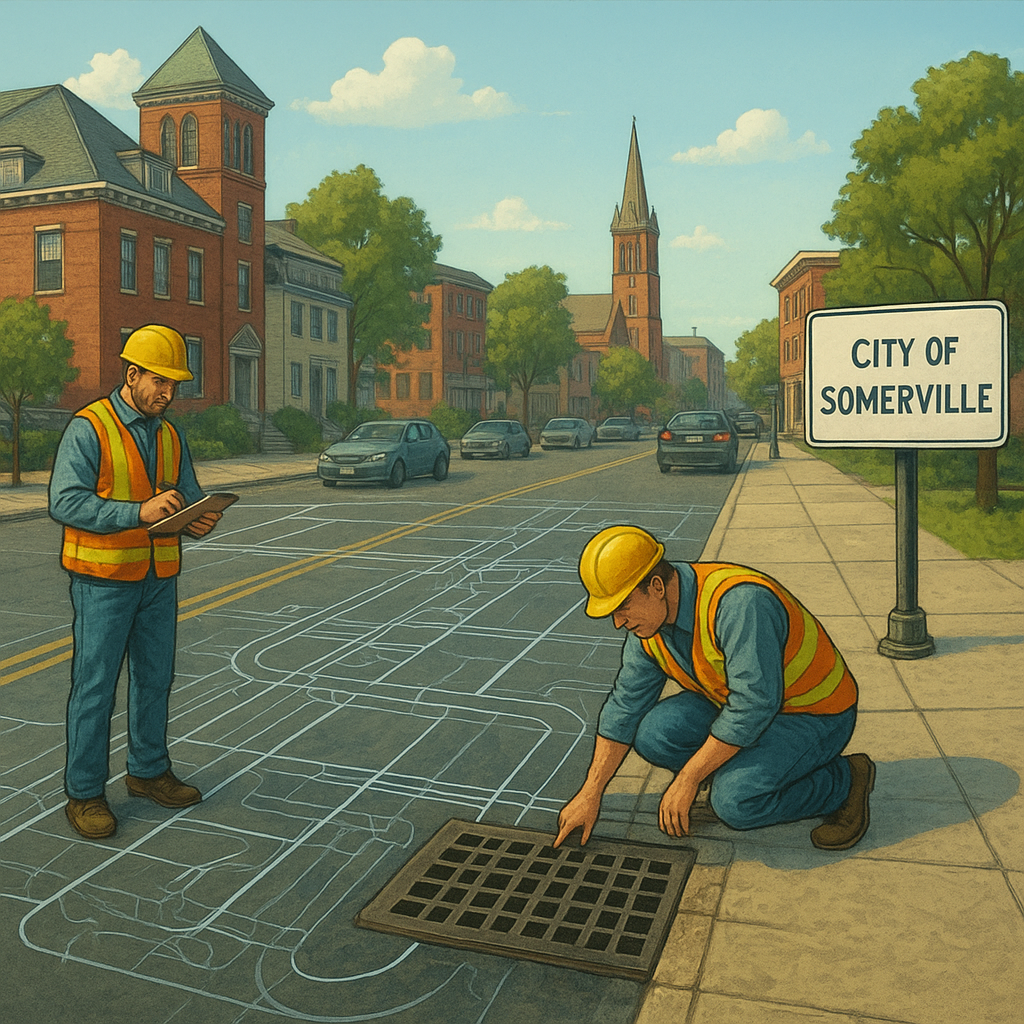
So, you’re a drain layer, a plumber, or an excavation contractor in Somerville, and someone just told you that you need a “Drain Layer’s Bond” to dig in the public right of way. Or maybe you’re a homeowner planning a sewer connection, and your contractor asked if you knew about the city’s bonding rules. Either way, you’ve come to the right place. Let’s unpack what this bond actually is, why the City of Somerville requires it, and how you can get one without pulling your hair out.
What Exactly Is a Drain Layer’s Bond?
Think of a drain layer’s bond as a safety net woven from trust and money. At its core, it’s a special type of surety bond. This isn’t insurance for your business—it’s a three-way promise between the contractor (you), the City of Somerville, and a surety company. The bond guarantees that any drainage, sewer, or water line work you perform in the public right of way will meet city codes, be done safely, and not leave the street or public property damaged.
If something goes wrong—say, a trench collapses after you leave, or a pipe you installed springs a leak that sinks a sidewalk—the city can file a claim against the bond. The surety company then steps in to pay for repairs, up to the bond amount, and you’ll ultimately reimburse the surety. It’s like having a responsible co-signer that tells Somerville, “We’ve got your back.”
Why Somerville Insists on Bonds for Right-of-Way Work
You might wonder, “Why can’t I just show my license and get to work?” The answer lies beneath our feet. The public right of way—those strips of land along streets, sidewalks, and utility corridors—belongs to all of us. When a drain layer cuts into the asphalt, digs a trench, or connects a lateral sewer line to the main, the whole community has a stake in making sure the job is done right.
Somerville’s dense urban fabric means that a poorly backfilled trench on one property can lead to potholes, water main breaks, or even sinkholes that affect an entire block. The bond protects taxpayers from having to foot the bill for a careless contractor’s mistakes. It also creates a powerful incentive for drain layers to follow the city’s detailed specs for materials, compaction, and restoration. Simply put, the bond is the city’s way of saying, “Go ahead and do your work—but promise us it won’t come back to haunt the neighborhood.”
Who Is Required to Carry This Bond?
Not every plumber or excavator needs a Somerville drain layer’s bond. The requirement generally kicks in when your work touches the public right of way. If you’re replacing a pipe entirely within private property, you might not need it. But if you’re connecting to the municipal sewer main, installing a new water service line, replacing a curb stop, or any task that involves opening the street or sidewalk, the bond is non-negotiable.
Typical professionals who must secure this bond include:
- Licensed drain layers and sewer contractors
- Site work and utility contractors digging in Somerville’s streets
- Plumbers performing water or sewer tie-ins beyond the property line
- Excavation companies hired for trenching in the public way
Homeowners acting as their own general contractor for a major drainage project may also face bonding requirements, though often the city will ask that a licensed bonded professional take the lead.
How the Bond Protects Everyone (Not Just the City)
Let’s break down the three parties involved, because knowing this can save you headaches later.
The Obligee is the City of Somerville. They set the rules and hold the right to make a claim.
The Principal is you, the contractor or drain layer. You buy the bond and promise to obey all applicable ordinances.
The Surety is the bonding company. They back your promise with their checkbook, but they’ll come to you for reimbursement if they have to pay out.
Now, here’s a real-world scenario: Imagine you install a new drain line under a busy Somerville crosswalk. A month later, the pavement sags because the backfill wasn’t compacted to the required proctor density. The city notices, repairs the dip at a cost of $8,000, and files a claim. The surety will pay the city up to the bond’s limit, and then you’ll receive a call from the surety asking to be reimbursed. Without the bond, the city would have to chase you through courts, wasting time and public resources. With the bond, everyone gets made whole faster.
Obtaining Your Somerville Drain Layer’s Bond: The Step-by-Step Process
Getting bonded doesn’t have to feel like a maze. Here’s a clear path you can follow.
1. Know the Required Bond Amount
The City of Somerville often sets specific bond amounts for drain layers working in the right of way. As of recent ordinances, you’ll commonly encounter a $10,000 bond for sewer and drain work, though this can vary. Always confirm the current figure with the Somerville Department of Public Works or the City Clerk’s office before applying. Larger or more complex projects might demand higher coverage, so ask early.
2. Gather Your Business Information
Surety companies want to know who they’re backing. Be ready with your company’s legal name, address, years in business, and most importantly, your personal credit score. Most standard bonds under $50,000 rely heavily on the owner’s credit history rather than business financial statements. A solid credit score (usually above 650) will unlock the best rates.
3. Apply With a Reputable Bond Agency
You don’t have to go door-to-door. Many agencies that specialize in contractor bonds can get you multiple quotes in minutes. You’ll fill out a short application—often online—and the agency will shop it to various sureties. The whole process can be done on the same day, with approval in as little as a few hours.
4. Pay the Premium and Sign
Here’s the good news: you do not pay the full bond amount. You pay a small percentage—the premium. For a $10,000 drain layer’s bond in Somerville, you might pay between $100 and $300 a year, depending on your credit and the surety’s rate. Once you pay, the surety issues the bond form. You’ll sign it as the principal, and then submit it to the city as part of your permit application.
5. Keep It Active
These bonds typically last one year and must be renewed. Letting your bond lapse can halt your permits and tarnish your standing with the city. Set a calendar reminder and treat the renewal as a normal business expense.
What Could Trip You Up? Common Mistakes to Avoid
Even seasoned pros can stumble. Here are a few pitfalls and how to sidestep them.
- Mixing insurance with bonding. Your general liability policy doesn’t satisfy the city’s bond requirement. They’re separate tools for separate risks.
- Underestimating restoration costs. Bond claims often arise from shoddy pavement patches or disturbed tree roots. Budget extra time and care for the final grade.
- Not checking local regulations. Somerville sometimes updates its specs—like requiring cold-patch temporaries or specific erosion controls. Don’t rely on what you knew five years ago.
- Forgetting to name the city correctly. The bond form must list “City of Somerville, Massachusetts” exactly as the obligee. A misspelling can send you back for a reissue.
Frequently Asked Questions (That We Hear All the Time)
Is a drain layer’s bond the same as a contractor’s license? No. The license shows you’re qualified; the bond provides financial assurance. You may need both to pull a permit in Somerville. Think of the license as your driver’s test and the bond as your car insurance—they serve different purposes.
Can I use a single bond for multiple towns? Rarely. Each municipality has its own bonding requirements and obligee names. You’ll likely need a separate bond for Somerville versus, say, Cambridge or Medford. However, some surety agencies issue a blanket fidelity bond program that can be tailored; ask your agent.
What if a claim is filed against my bond? You’ll be notified immediately. The surety investigates, often working with the city to verify the damage. If the claim is valid, the surety pays and you must reimburse them. This is why it’s critical to honor the bond commitment from day one—your wallet and reputation depend on it.
Do I need a bond if I’m just a subcontractor? Generally, the prime contractor carrying the permit must provide the bond. But if you’re subcontracting directly to the city or are independently required to hold a drain layer’s license, you might need your own. Always clarify responsibility with the general contractor and the Somerville DPW.
Making Sense of the Cost and Value
Let’s be honest: nobody loves paying for bonds. But when you weigh a couple hundred dollars a year against the immense risk of a six-figure public works claim, the math becomes obvious. Moreover, having that bond in place tells Somerville officials that you’re a professional who takes public safety seriously. It can even help you win jobs with cautious homeowners or developers who want proof of responsibility.
Think of the bond premium as a tiny ticket to a huge market. Without it, you can’t tap into all that underground work that keeps our city flowing. With it, you’re ready to bid on sewer connections, drainage repairs, and water line installations with confidence.
Ready to Dig In? A Simple Plan
If you’re starting a project that needs a drain layer’s bond in Somerville, don’t let paperwork slow you down. Reach out to the city’s permit office to nail down the exact bond amount. Then contact a bonding specialist who understands Massachusetts municipal requirements. In most cases, you’ll have the bond in hand the very same day, and the whole process will feel a lot less intimidating than you imagined.
By meeting the bonding requirement, you’re not just checking a bureaucratic box—you’re joining a long tradition of responsible contractors who keep Somerville’s streets safe, dry, and reliable. And that’s something worth bonding over.