Windsor, Connecticut is strengthening sidewalk safety by requiring contractors to secure a curb and walk layer excavating bond, a financial guarantee ensuring they follow local codes and complete repairs properly. The town's new compliance strategies shift from basic paperwork to proactive, transparent oversight, protecting residents from unsafe walkways and costly, shoddy workmanship.
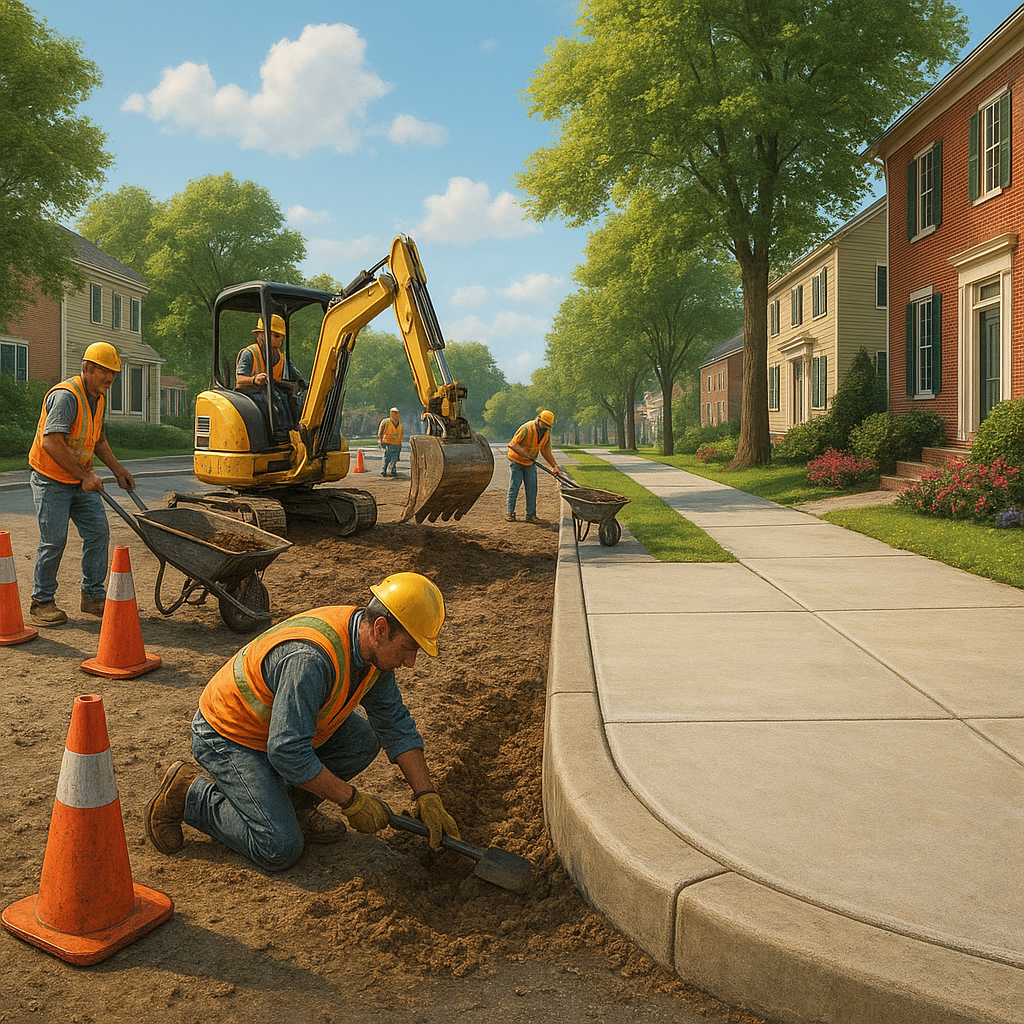
Have you ever tripped on an uneven sidewalk slab while pushing a stroller or walking your dog? It’s more than just an annoyance—it’s a safety hazard. In the charming town of Windsor, Connecticut, local leaders are taking fresh steps to make sure every sidewalk repair, curb replacement, and excavation job is done right the first time. A big part of that peace of mind comes from something called a curb and walk layer excavating bond. But what does that even mean, and why should it matter to you? Let’s break it down in plain English, no hard hat required.
Why Sidewalk Safety Starts Before the First Shovel Hits the Ground
Sidewalks are the unsung heroes of any neighborhood. They connect us to schools, parks, local shops, and each other. When a concrete panel lifts or a curb crumbles, it’s not just ugly—it can lead to twisted ankles, lawsuit risks, and expensive emergency repairs. The Town of Windsor understands that the key to long-lasting, safe walkways isn’t just good concrete; it’s holding the contractor accountable from day one.
Think of it like hiring a babysitter. You wouldn’t hand over your house keys without checking references, right? Similarly, the town wants to make sure that anyone tearing up public right-of-ways or working near property lines has the skills, insurance, and a financial safety net in place. That’s where the new compliance strategies shine.
Decoding the “Curb & Walk Layer Excavating Bond”
You might see the official term “Town of Windsor CT Curb & Walk Layer Excavating Bond” and feel your eyes glaze over. Let’s turn that jargon into a simple story. A bond, in this context, is not a sticky glue. It’s a three-party promise: you (the resident or the town), the contractor, and a surety company. It guarantees that the contractor will follow local codes, finish the job properly, and pay any valid claims if things go sideways.
Breaking Down the Name Piece by Piece
- Curb & Walk Layer: This refers to the specific trade of installing concrete curbs, sidewalks, gutters, and flatwork.
- Excavating: Before fresh concrete goes down, the old, damaged surface has to come out. That digging and grading work is the excavation part.
- Bond: The financial guarantee that protects the public and ensures compliance with town regulations.
So, when a sidewalk contractor in Windsor, Connecticut pulls a permit for a project that disturbs the curb or walk layer, they’re often required to post this bond. It’s like a security deposit on good behavior, making sure the contractor won’t cut corners and leave you with a sunken mess come springtime.
New Contractor Compliance Strategies in Windsor, CT
The Town of Windsor isn’t just relying on the same old paperwork. They have been sharpening their compliance toolkit. What’s actually changing? The focus has shifted from a simple box-checking exercise to a more proactive, transparent process. Here’s what that looks like for you.
Clearer Communication Right from the Permit Office
Gone are the days of confusing forms and crossed fingers. The town’s engineering and public works departments are working together to make sure every excavation contractor knows exactly which bond amount applies to their specific job. Whether it’s a tiny patch in front of a single-family home or a full streetscape replacement, the bonding requirement is spelled out upfront. No surprises.
Stricter Enforcement During and After the Project
Having a bond on file is great, but it only works if someone checks the work. Windsor is ramping up its field inspections. Inspectors are now looking not just at the final concrete smoothness but also at how the base was prepared. Did they compact the soil correctly? Is the slope right so ice doesn’t pool in front of your driveway? If the answer is no, the contractor can’t just walk away. The bond can be called upon to fix the issue, even if the original company drags its feet.
Protecting Homeowners from Fly-by-Night Operators
Imagine hiring a guy with a truck who gives you a cheap quote for replacing your sidewalk apron. He digs it up, pours something that looks okay, and disappears. Two months later, a crack widens into a crevice. Without the bond requirement, you’re stuck paying again. Windsor’s strategy ensures that only contractors who have secured the proper curb and walk layer excavating bond are allowed to do this regulated work. That filters out the less-reliable operators before they can do damage.
How Does This Bond Actually Protect You?
Let’s paint a real-world picture. Mrs. Thompson on Poquonock Avenue needs her walkway replaced because tree roots have turned it into a miniature mountain range. She hires a licensed local excavator. As part of pulling the town permit, that contractor’s bond is active. Here’s the safety net sequence:
- Step 1 – The Promise: The contractor agrees to meet all Windsor building codes and safety standards.
- Step 2 – The Problem: The contractor finishes the pour but fails to restore the grassy strip between the curb and sidewalk properly, leaving a tripping hazard.
- Step 3 – The Claim: Mrs. Thompson contacts the town. An inspector verifies the fault. Since the contractor didn’t fix it voluntarily, a claim is filed against that excavating bond.
- Step 4 – The Fix: The surety company pays out to hire a different qualified crew to correct the work, so Mrs. Thompson isn’t left hanging.
Without this mechanism, the only alternative would be a messy legal fight or taxpayer-funded repairs. The bond keeps the responsibility squarely on the contractor’s shoulders where it belongs.
What Every Windsor Contractor Needs to Know
If you’re an excavation pro operating in the Town of Windsor, compliance isn’t optional—it’s your ticket to a good reputation. The Windsor Town Curb & Walk Layer Excavating Bond is not a big scary expense; it’s an investment in your credibility. Typically, the premium is a small percentage of the total bond amount and can be obtained quickly through a surety agency. Talk to your insurance provider. They’ll guide you based on the value of work you usually bid on.
Staying ahead of the new compliance strategies means you can confidently tell clients, “Yes, we’re fully bonded with the town.” That’s a powerful sales point. Homeowners feel safer. Commercial property managers see less risk. It’s a win-win.
Questions You Might Be Asking Yourself
“Is this bond the same as my contractor’s liability insurance?”
No, and here’s the crucial difference. Insurance protects the contractor if something unexpected happens, like accidentally hitting a gas line. The bond protects you, the property owner and the town, from a contractor’s failure to perform the job as agreed. They work together like a seatbelt and an airbag—different layers of protection.
“How do I even check if a sidewalk contractor has this bond?”
Simple. Don’t be shy. Ask the contractor for their bond certificate or check with the Town of Windsor Building Department. A reputable contractor will be proud to show you they’re compliant. If they hesitate, that’s a bright red flag.
“Does this make my sidewalk repair cost more?”
It might add a tiny, marginal cost to the contractor’s overhead—but it doesn’t directly bill you extra. Think of it as cheap insurance. It actually saves you money in the long run by preventing botched work that you’d have to pay to redo. Paying a little more upfront for a bonded pro is far cheaper than paying for the same job twice.
Why This Matters for the Future of Windsor, Connecticut
Windsor is a community that blends historic charm with modern living. Safe, accessible sidewalks are part of that equation. As the town grows and aging infrastructure gets replaced, these compliance strategies ensure that every new stretch of concrete contributes positively to walkability. No more mysterious sinking corners. No more patching disasters that crumble after one New England winter.
The move towards rigorous bonding and smarter enforcement reflects a broader trend: treating public pathways as valuable assets, not afterthoughts. When a Connecticut sidewalk contractor knows their work will be checked against a tangible financial guarantee, the quality of work naturally rises. It’s that simple.
The Simple Takeaway
If you’re a homeowner in Windsor staring at a cracked walkway, take a deep breath. The town has your back. Before you sign any contract, mention that you’re aware of the curb and walk layer excavating bond requirement. Ask the hard questions. A trustworthy contractor will smile and pull out their paperwork. The bond might seem like dull bureaucracy on the surface, but deep down, it’s a pledge—a promise that your sidewalk will be safe, sturdy, and built to last for all your neighbors to enjoy, one step at a time.