Employment agency bonds in Massachusetts protect job seekers and employers by guaranteeing agencies follow state regulations, with the Commonwealth requiring them to prevent fraud and ensure financial recourse. Any business charging fees to connect candidates with jobs—from staffing firms to online platforms—must obtain this bond and license.
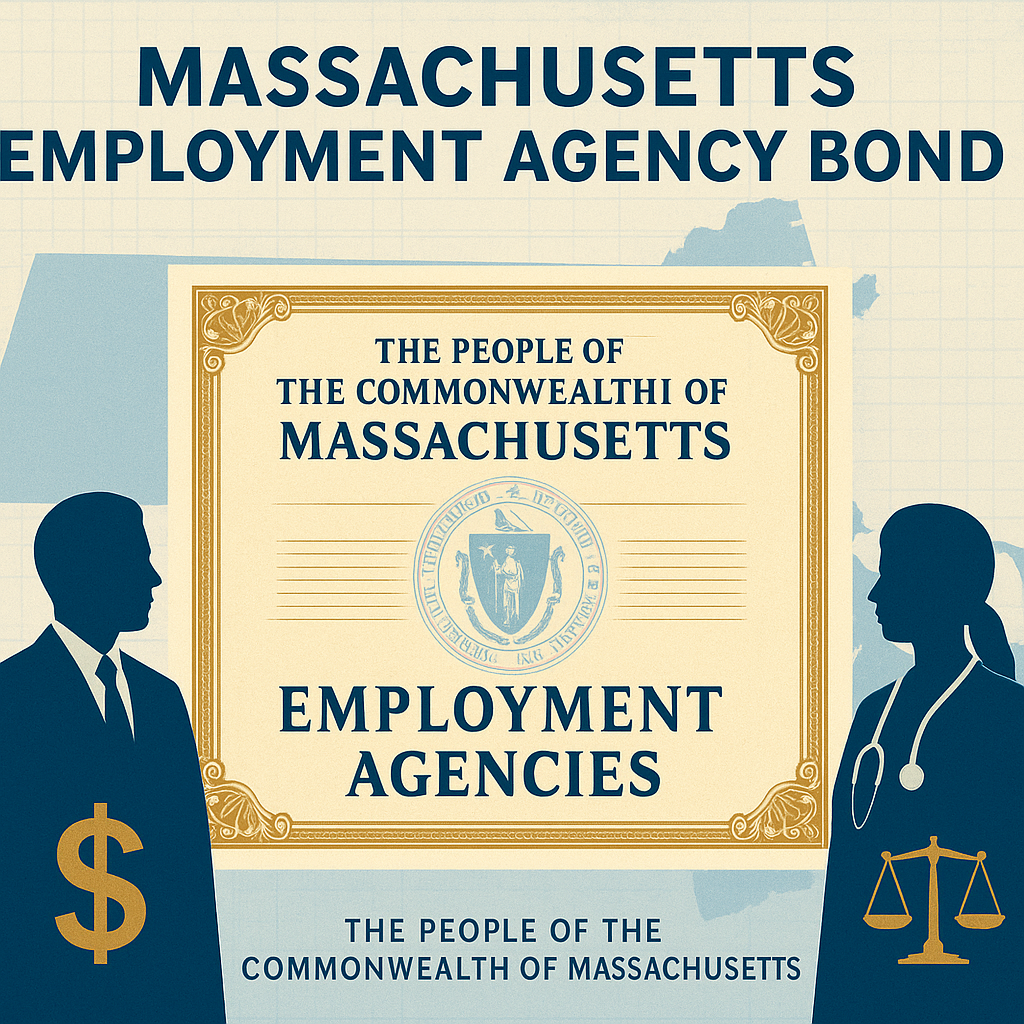
If you’re planning to open an employment agency in the Bay State, you’ve probably come across the term employment agency bond. It might sound like just another piece of government paperwork, but this bond is actually a promise—a promise to the job seekers, the employers, and yes, the People of the Commonwealth of Massachusetts. Let’s unpack exactly what that means, why it matters, and how you can get one without losing your mind in the process.
What Exactly Is an Employment Agency Bond in Massachusetts?
Think of a surety bond as a safety net with three players involved. First, you have the principal – that’s your employment agency. Next, the obligee – the Commonwealth of Massachusetts, which requires the bond by law. Finally, the surety – the company that backs you financially if something goes wrong. An employment agency bond guarantees that your business will follow all state rules and treat clients fairly. If you don’t, the bond steps in to make things right for the person who was harmed.
It’s not insurance for your agency. If a claim gets paid, you have to reimburse the surety every penny. So, while the bond protects the public, it also holds you accountable. That accountability is exactly why Massachusetts asks for it.
Why the Commonwealth Requires This Bond
The official name “The People of the Commonwealth of Massachusetts” isn’t just decorative language—it shows up right in the bond’s title because the bond is designed to protect residents. The state’s Division of Professional Licensure (DPL) regulates employment agencies to prevent fraud, misrepresentation, and shady business practices. Sadly, not every job placement firm plays by the rules. Some might promise a dream job that doesn’t exist, charge fees for fake training, or simply disappear with a job seeker’s hard-earned money.
The bond exists to say, “If an agency steps out of line, there’s financial recourse.” In other words, the Commonwealth puts a safety cushion between your business operations and the public you serve. When you get bonded, you’re not just checking a box—you’re telling every client that the state trusts you enough to let you operate, but also has a backup plan just in case.
Who Needs an Employment Agency Bond in Massachusetts?
If your business helps connect people with jobs for a fee, you almost certainly need this bond along with your license. This includes:
- Traditional staffing and temp agencies
- Nanny and domestic placement services
- Modeling and talent agencies that charge placement fees
- Executive search firms (depending on fee structure)
- Nurse registries and certain healthcare staffing providers
- Online job placement platforms operating within the state
Even if your agency is small and home-based, Massachusetts law generally doesn’t waive the bond requirement. Always check with the DPL’s Office of Public Safety and Inspections for your specific situation, but the rule of thumb is clear: if you collect a fee to match candidates with employers, you need both a license and a bond.
How Much Does the Bond Cost?
Here’s where many new agency owners breathe a sigh of relief. The required bond amount in Massachusetts is set by the state, often at $5,000, but occasionally higher depending on your business type and number of offices. That’s the total coverage amount—the maximum the surety would pay out for valid claims. However, you do not pay five thousand dollars up front. You pay a small percentage of that, called the bond premium.
For most applicants with good personal credit, the premium can be as low as 1–3% of the bond amount. That means you could be looking at an annual cost of $50 to $150. Agencies with lower credit scores may still qualify, though the rate might increase. The best part? Many insurers let you lock in a multi-year rate or bundle coverage as you grow.
Factors That Affect Your Premium
- Personal credit score: The stronger your credit, the less risk you appear to the surety, and the lower your rate.
- Business financials: Newer agencies may pay slightly more until they build a track record.
- License history: Any past bond claims or regulatory violations can bump up the price.
- Bond amount required: If your agency needs a larger bond, the premium total will increase accordingly, but the percentage often stays similar.
How to Get Your Massachusetts Employment Agency Bond Step by Step
Getting bonded doesn’t have to be a headache. Follow these simple stages and you’ll have your bond in hand, often the same day.
1. Confirm Your Exact Bond Requirement
Before you apply, reach out to the Massachusetts Division of Professional Licensure. Ask which bond form you need and the exact penal sum. Don’t guess—an outdated amount could delay your license application.
2. Find a Reputable Surety Bond Provider
You can work directly with an insurance company that specializes in surety bonds, or go through a knowledgeable agent. Look for someone who understands the Massachusetts market and can explain the terms in plain English. Bonus points if they offer an online application that takes minutes.
3. Complete a Quick Application
You’ll provide basic details about your agency, the owners, and your license number (if available). At this stage, the surety will run a soft credit check that doesn’t hurt your score. You can usually expect a quote within hours—or instantly.
4. Pay the Premium and Sign
Once you approve the quote, pay the premium, and sign the indemnity agreement, your bond will be issued. You’ll receive the official bond form ready to submit to the state. Keep a copy for your records and mark your calendar for the annual renewal.
5. Submit the Bond with Your License Application
Attach your bond to the rest of your license paperwork. The DPL won’t issue a license without it. They need to see the original surety document, often with a raised seal or electronic signature, depending on their current rules.
What Happens If a Claim Is Filed Against Your Bond?
Imagine a job seeker pays your agency a fee for a placement that falls through because of false promises. If they file a complaint and the state upholds it, the surety will investigate. If the claim is valid, the surety pays the harmed party up to the bond limit. Then, here’s the crucial part: you must repay the surety in full. You’ll also likely see your future premium costs rise.
The best defense is a clean, ethical operation. Keep transparent records, never guarantee a job unless you’re certain, and refund fees promptly when required. Treat the bond as a constant reminder that the People of the Commonwealth are counting on you.
Common Misconceptions About Employment Agency Bonds
- “It protects my agency from lawsuits.” Actually, it protects the public and the state. If you’re sued separately, the bond won’t cover your legal defense.
- “Once I have it, I’m set forever.” These bonds expire annually. You must renew on time and stay compliant with any law changes.
- “The state sets the price.” No, the market does. Bond premiums vary by provider, so shopping around is smart.
- “Small agencies don’t need it.” Almost all employment agencies in Massachusetts need it, regardless of size. Even a one-person operation placing nannies must be bonded.
Tying It All Together: Your Bond as a Badge of Trust
When you peel back the legal jargon, the Massachusetts employment agency bond is simply a way to say, “I operate honestly, and I’m willing to back that up.” For the single mother looking for reliable temp work, or the college grad hunting for their first career break, that bond is a quiet assurance. It’s woven into the fabric of the People of the Commonwealth MA Employment Agency Bond requirement—not just a mouthful of a name, but a reflection of who you ultimately serve.
So, as you work through the licensing steps, don’t view the bond as an obstacle. See it as the first step in building a relationship of trust with every client who walks through your door—or clicks on your website. A little paperwork upfront leads to big peace of mind down the road, for your agency and for the community around you.
If you still have questions about bonding amounts, credit, or the license process, give a knowledgeable surety professional a call. They can help you get bonded fast so you can focus on what you do best: connecting talented people with meaningful work across the Commonwealth.