Buffalo, New York, now requires self-service laundry owners to obtain a surety bond, a financial guarantee ensuring they comply with local ordinances and protect consumers. The bond, involving the business owner, the city, and a surety company, is part of a broader municipal effort to modernize business regulations.
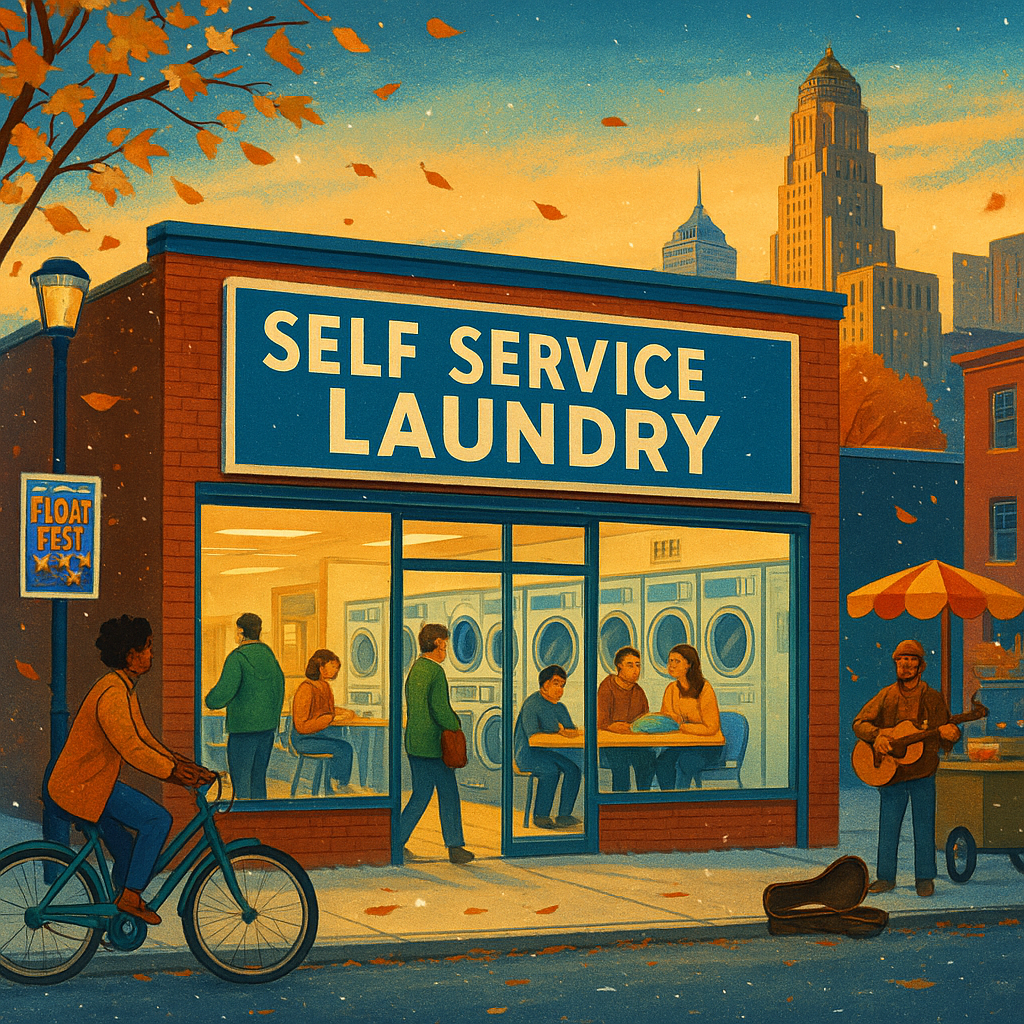
If you’ve been following local business news in Western New York, you might have caught wind of something stirring in the laundry industry. The City of Buffalo has rolled out new requirements that affect self-service laundry owners and operators. At the center of it all is something called a self-service laundry bond. Now, before your eyes glaze over at the word “bond,” stick with me. This is one of those topics that sounds dry on the surface but actually matters a whole lot to small business owners and even to the folks who just want to wash their clothes on a Sunday afternoon.
So what exactly is going on here? Let’s break it all down in plain English.
What Is a Self-Service Laundry Bond, Anyway?
Think of a bond as a financial promise wrapped up in a legal document. When the City of Buffalo requires a self-service laundry business to obtain a bond, they are essentially asking the owner to put up a guarantee. This guarantee says, “I will follow the rules, and if I don’t, there’s money set aside to make things right.”
It works a lot like a security deposit. When you rent an apartment, your landlord holds a deposit in case you damage the property. A bond serves a similar purpose but on a larger scale. The city wants assurance that laundry businesses will operate fairly, honor their commitments, and adhere to local ordinances. If something goes awry, the bond provides a financial cushion that protects consumers and the municipality.
The bond involves three parties. First, there’s the principal, which is the laundry business owner. Second, there’s the obligee, which in this case is the City of Buffalo. Third, there’s the surety, which is the company that issues the bond. If the business owner breaks the rules, the surety pays out, and then the business owner must reimburse the surety company. It’s not free money, and it’s not insurance. It’s a line of credit with a very specific purpose.
Why Buffalo Is Paying Attention to Laundromats Now
Buffalo has been undergoing quite a transformation over the past decade. From the revitalized waterfront to the booming medical corridor, the city has seen fresh investment and renewed energy. With that growth comes a closer look at local regulations. City officials want to ensure that businesses operating within Buffalo’s borders are doing so responsibly.
Self-service laundries occupy a unique niche. They often handle a high volume of cash transactions. They serve a diverse cross-section of the community. And frankly, they can sometimes fly under the radar when it comes to regulatory oversight. By introducing bond requirements, Buffalo is signaling that these businesses matter and that they need to be held to clear standards.
But what prompted this specific change? While the city hasn’t pointed to a single dramatic incident, municipal governments frequently update bonding requirements as part of broader efforts to modernize business licensing. It’s about closing gaps and creating consistency. If plumbers, electricians, and contractors need bonds, shouldn’t a business that collects payments upfront for services also have some form of financial accountability in place?
Who Needs to Pay Attention to This
If you own or are thinking about opening a self-service laundry in Buffalo, this directly applies to you. Even if your laundromat has been operating for years, you may now need to secure a bond as part of your license renewal. This isn’t just for brand-new businesses. Existing operators should check with the city’s licensing department to understand whether the requirement affects them retroactively.
Also worth noting, this doesn’t only hit the big operations with dozens of machines. Smaller coin-operated laundries tucked into neighborhood corners fall under the same umbrella. The size of your business might influence the bond amount, but the core requirement remains.
What about dry cleaners? That’s a slightly different category. Dry cleaning often involves chemicals and environmental considerations that trigger separate regulations. However, if your dry cleaning business also offers self-service washing machines, you might find yourself navigating both sets of rules. When in doubt, ask. A quick conversation with a licensing official can save you a mountain of trouble later.
Common Scenarios Where a Bond Comes Into Play
Let’s make this concrete. Say a customer puts money into a machine and it fails to work. They report it to the owner, but nothing gets fixed. The customer loses faith and files a complaint with the city. In that situation, the bond could potentially cover the consumer’s loss. Another example involves prepaid laundry cards. If a business sells cards with stored value and then suddenly closes, customers might be left holding worthless plastic. A bond offers a pathway for those people to recover their funds.
Construction and renovation projects tied to laundromats might also trigger bonding requirements. If a business receives permits to build out a new facility and then abandons the project, the city could face cleanup costs. Bonds help offset those risks.
How to Actually Get a Laundry Bond in Buffalo
The process is less intimidating than it might seem. Start by contacting the City of Buffalo’s licensing office. Ask them directly about the required bond amount and the exact wording they need. Bond requirements can be very specific, and getting the language wrong could mean rejections and delays.
Once you know what the city needs, reach out to a surety bond provider. Many insurance agencies offer bond services, and there are companies that specialize exclusively in surety bonds. You’ll fill out an application that asks about your business history, your personal credit, and your financial standing. The provider assesses the risk and gives you a quote.
The cost of the bond depends on several factors. Your credit score plays a significant role. A strong credit history often means you’ll pay a lower premium, sometimes as little as one to three percent of the total bond amount. If your credit is shaky, you can still get bonded in most cases, but the price will be higher. The overall bond amount set by the city also matters. A ten-thousand-dollar bond costs less to secure than a fifty-thousand-dollar bond.
After you pay the premium, the surety company issues the bond. You then submit that bond certificate to the city along with the rest of your license application or renewal paperwork. Keep a copy for your records, and mark your calendar for the renewal date. Bonds typically need to be renewed annually.
What This Means for the Average Laundromat Customer
You might be reading this and thinking, “I don’t own a laundry business. Why should I care?” Here’s the answer. Bond requirements offer you a layer of protection you didn’t have before. When you step into a bonded laundromat in Buffalo, you’re walking into a business that has skin in the game. The owner has made a financial commitment to doing things right.
Does this mean every machine will work perfectly and you’ll never lose a quarter again? No, of course not. Machines break. That’s life. But it does mean there’s a formal mechanism for resolving disputes when things go seriously wrong. Previously, your only real option might have been to leave a bad review online or complain to an indifferent manager. Now, the city has a tangible financial stake it can tap if a business engages in truly problematic behavior.
It’s also a signal of legitimacy. A bonded business has gone through an extra step of vetting. Surety companies don’t issue bonds to just anyone. They evaluate applicants. If a laundromat proudly displays its bonding information, that tells you the owner is serious about operating above board.
Common Misconceptions About Laundry Bonds
Let’s clear up some confusion. A bond is not business insurance. Insurance protects the business owner from losses related to fires, theft, or liability claims. A bond protects the public and the government from the business owner’s failure to comply with regulations. They serve different purposes, and having one doesn’t replace the need for the other.
Another misconception is that bonds are punitive. The city isn’t trying to squeeze small business owners for extra cash. In most cases, the premium on a bond is a relatively modest expense. The goal is accountability, not punishment. Think of it as a cost of doing business in a well-regulated environment.
Some owners also worry that filing a bond claim is easy for disgruntled customers. The reality is that claims require evidence. A customer can’t simply say “I lost five dollars” and expect instant reimbursement. The city investigates, and the surety company investigates. Frivolous claims rarely succeed. The system is designed to address legitimate complaints, not to serve as an open checkbook for anyone who feels dissatisfied.
Steps to Take Right Now
If you operate a laundry business in Buffalo, pick up the phone. Call the city licensing department and ask pointed questions. Does your current license already satisfy the bonding requirement? If not, what’s the deadline for compliance? What’s the exact bond amount you need? Document every conversation. Write down names, dates, and what you were told. This covers you in case of any confusion down the road.
Start shopping for bond providers early. Don’t wait until the last minute. Comparing quotes from multiple sources can save you money, and the process might take longer than you expect if your credit situation requires extra documentation.
Talk to your peers. Buffalo’s laundry business community is tight-knit. Other owners may have already navigated this process and can offer practical tips. Local business associations can also be valuable resources. You don’t have to figure everything out alone.
Looking Ahead
Regulatory changes like this one often signal a broader trend. Cities across the country are modernizing their approach to business licensing, and Buffalo is no exception. For laundry owners, staying informed about evolving requirements is simply part of running a smart operation. The businesses that adapt quickly are the ones that thrive.
For customers, the new bond requirement adds a welcome layer of consumer protection. You can now look for that bond certificate with a bit more appreciation for what it represents. It’s a sign that the business you’re supporting has committed to a higher standard of accountability.
Change can feel uncomfortable, especially when it comes with paperwork and fees. But at its heart, the self-service laundry bond requirement is about building trust. Trust between businesses and customers. Trust between local government and the industries it regulates. And in a city like Buffalo, where community ties run deep, that trust is worth investing in.
So whether you’re folding fresh towels at midnight or scouting locations for your second laundromat, know that these new rules are shaping a fairer, more reliable marketplace. And that’s something we can all feel good about, one clean load at a time.