Buffalo plumbers must secure a compliance bond, a three-party promise ensuring they follow local codes and regulations, to obtain and keep their license. This bond protects the public and city, serving as a financial safety net distinct from general insurance, and is a non-negotiable requirement for legal operation.
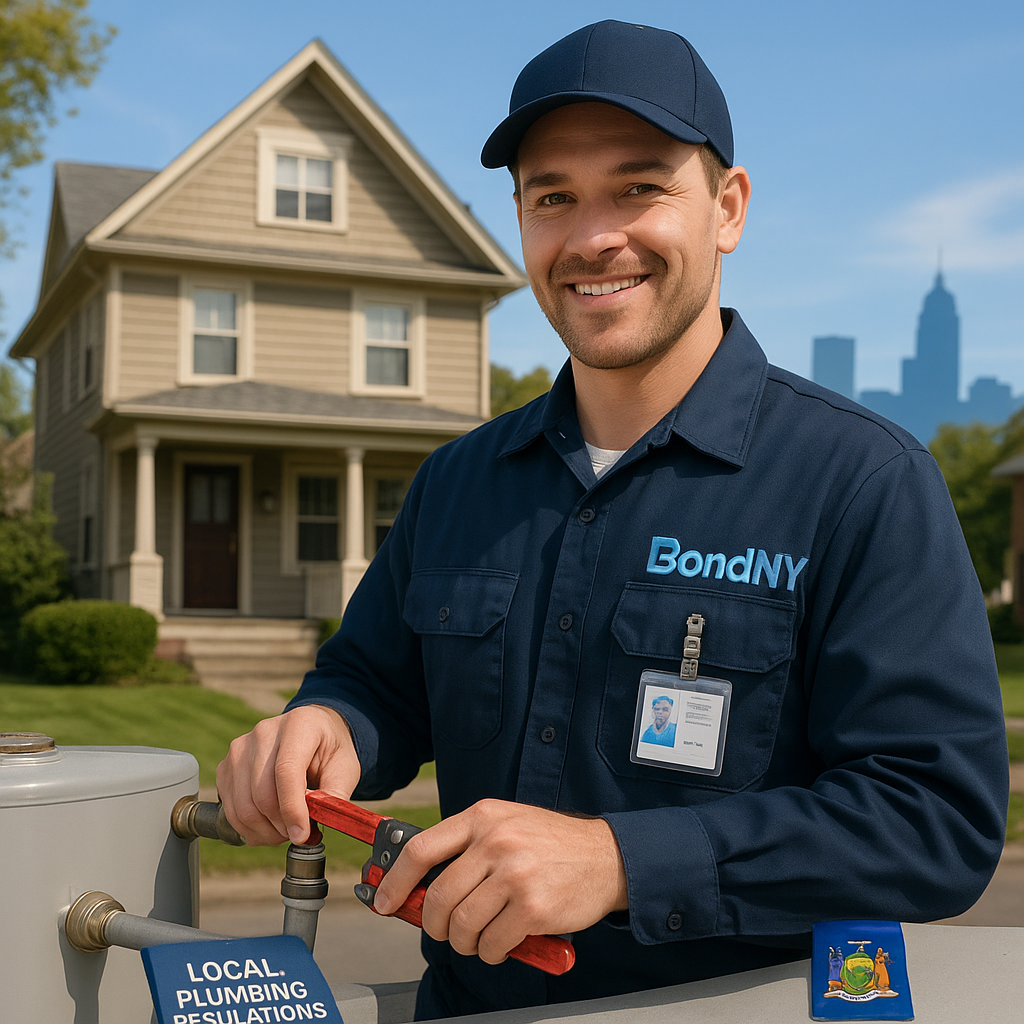
So, you’re a plumber in Buffalo, NY. You’ve got the skills, the tools, and the late-night emergency calls memorized. But there’s one piece of the puzzle that sometimes catches folks off guard: the plumber’s bond. If you’ve been searching for information about the City of Buffalo NY Plumber’s Bond, you might be feeling a bit confused. Is it insurance? Why do you need it? And how do you even get one? Don’t worry—we’re going to break it all down in plain, friendly English. Think of this as a chat over coffee, not a legal textbook.
First Things First: What Exactly Is a Plumber’s Bond in Buffalo?
Let’s keep this super simple. A plumber’s bond is basically a three-party promise. You, the plumber, purchase this bond. The City of Buffalo requires it. An insurance company (the surety) backs you up. The bond says, “This plumber will follow all the local rules, codes, and regulations.” If you don’t? The bond provides a way to make things right for the public. It’s like a financial handshake that says you’re serious about doing the job correctly.
In Buffalo, this specific bond is often called a compliance bond or a license bond. You’ll see it referred to as the “Buffalo NY Plumber’s Bond” or the “City of Buffalo Plumber’s Bond.” It’s not optional—it’s a concrete requirement for obtaining and keeping your plumbing license. Without it, you can’t legally pull permits or operate your business in the city.
Why “Compliance Only” Matters
You might have seen the phrase “Plumber – Compliance Only” attached to this bond. That tells you exactly what the bond is designed to guarantee: your compliance. It’s not a general insurance policy that covers a burst pipe in your own shop. It’s there to protect the public and the city if you violate municipal codes, fail to complete permitted work properly, or don’t pay required fees. The “compliance only” label emphasizes that the bond’s purpose is strictly about following the rules set by the City of Buffalo.
Why Does the City of Buffalo Require This Bond?
Imagine the city as a concerned neighbor. It wants to make sure every home, restaurant, and office building has safe plumbing. A plumbing mistake can lead to contaminated water, gas leaks, or structural damage. Requiring a plumber’s bond is the city’s way of creating a safety net. It proves you’re a legitimate, responsible professional. If something goes wrong and you fail to fix it, the city or an affected party can file a claim against your bond.
This requirement isn’t unique to Buffalo, but the City of Buffalo NY plumber’s bond has specific local nuances. Municipalities want to know that the people operating within their borders are qualified and financially accountable. The bond helps filter out those who might cut corners and disappear. For you, carrying this bond is a badge of trust. It tells your customers, “I’m bonded, so your investment is protected.”
Plumber’s Bond vs. Plumber’s Insurance: A Friendly Clarification
This is the number one head-scratcher we see. “I already have liability insurance. Why do I need a bond?” Think of them as different tools in your toolbox. Your general liability insurance protects you. If you accidentally damage a customer’s floor or your ladder falls on their car, insurance kicks in to cover the costs. You pay a premium, and the insurance company handles the claim. You generally don’t have to pay them back.
A plumber’s bond, however, protects the public and the city. If a claim is paid out on your bond because you didn’t follow the code, the surety company will come to you for reimbursement. Yes, you read that right. A bond is like a line of credit you’re securing. You are ultimately responsible for any valid claims. Insurance handles the “oops” moments. A bond handles the “didn’t follow the rules” moments. They complement each other perfectly, but one is not a substitute for the other.
Who Needs This Bond Exactly?
In the City of Buffalo, any professional who must hold a plumber’s license will typically need this bond. That includes:
- Master Plumbers: Those running their own business or taking on large-scale projects.
- Journeyman Plumbers: Depending on the city’s current licensing structure, a bond might be required for your license level.
- Plumbing Contractors: Any entity contracting directly with the public for plumbing work within Buffalo city limits.
If you’re an apprentice, you probably won’t need a bond just yet. But the moment you step into a role where you’re pulling permits and your name is on the license, the City of Buffalo NY plumber’s bond becomes your new business partner. Always check with the city’s Department of Permits and Inspection Services to confirm the exact requirement for your specific license class.
How Much Does a Buffalo Plumber’s Bond Cost?
Now for the wallet question. Here’s the good news: you are not paying the full bond amount. The city sets the required bond amount—a common figure is $20,000, but always verify the current amount with Buffalo’s licensing office. You only pay a small percentage of that total, called the bond premium. For a plumber’s bond in Buffalo, premiums can start as low as $100 to $300 for the whole year, depending on your credit and business history.
Factors that influence your rate include:
- Your personal credit score. Strong credit often means the lowest rates.
- Your business financials. If you’ve been in business for a while with a clean record, you’ll look great.
- The bond amount. A higher required bond amount will result in a slightly higher premium.
Even with less-than-perfect credit, you can still get bonded. Special programs exist for applicants who might not have a spotless financial history. The premium might be a bit higher, but it gets you compliant and working. Think of it as a flat-fee service that keeps your license active, not a massive upfront investment.
Step-by-Step: How to Get Your City of Buffalo NY Plumber’s Bond
Feeling ready to check this off your list? The process is surprisingly painless. You don’t have to drive downtown and wait in lines for hours. Here’s a straightforward path:
- Confirm your exact requirement. Look at your license application paperwork from the City of Buffalo. It will spell out the bond amount and any specific wording they need.
- Find a reputable surety bond agency. You can work with an agency that specializes in license bonds. Many offer online quotes in minutes.
- Fill out a quick application. You’ll provide basic details: your name, business name, address, Social Security number for a credit check, and the bond amount needed.
- Pay the premium. Once approved, you pay the annual fee. The bond agency then issues your bond form.
- Deliver the original bond to the city. Most agencies will mail you the original bond with a power of attorney attached. You then file it with the Buffalo licensing department. No filing, no active license.
And that’s it! You renew the bond annually, just like your license. Don’t let it lapse. If your bond expires, your license can become inactive overnight, and you might have to stop working until it’s reinstated.
Avoiding Common Pitfalls with Your Plumber’s Bond
We want you to sidestep the headaches other plumbers have faced. Here are the most frequent stumbles and how to walk right past them.
Pitfall 1: Thinking the Bond Covers Your Workmanship
Remember, this is a compliance bond. If your pipe installation leaks five years from now, that’s a warranty issue, not a bond claim. The bond kicks in when you violate a city code or fail to pull the right permits. Don’t promise your customer that the bond is a service guarantee. It’s a promise to the city to follow the law.
Pitfall 2: Ignoring a Claim Notification
If someone files a complaint against your bond, do not ignore the letter from your surety company. Even a baseless claim must be addressed. Communicate immediately. The surety will investigate, and if the claim is valid, they will ask you to make it right. If you cooperate, you can often resolve issues before any payout occurs, protecting your record.
Pitfall 3: Using an Outdated Bond Form
The City of Buffalo can update its bond form language. If you grab an old generic form off the internet, the city might reject it. Always obtain your bond through a knowledgeable agent who keeps up with the latest “City of Buffalo, New York” municipal requirements. A rejected bond means delays in your license issuance, and nobody has time for that.
Real-Life Scenario: How the Bond Works in Action
Let’s paint a picture. Say you install a new water heater in a Buffalo home. The city inspector later finds that the installation doesn’t meet the local venting code. The inspector issues a violation and tells you to fix it. For whatever reason, you don’t complete the correction. The homeowner then complains to the city that the unsafe situation remains, citing the code violation.
At this point, the city can look at your plumber’s bond. Because you violated the code and didn’t rectify it, a claim can be filed. The surety would investigate, find the violation legitimate, and might pay out to hire another licensed plumber to bring the work up to code. You, as the bonded plumber, would then have to reimburse the surety for every penny. The bond protected the homeowner, but your business bears the financial responsibility. This scenario shows that the bond encourages you to fix mistakes the first time, keeping everyone safe and your reputation solid.
Does a Bond Help You Win More Jobs?
Absolutely. When you hand a potential customer your license card and you can mention, “Yes, we are fully bonded in the City of Buffalo,” you immediately stand out from the unlicensed handyman down the street. Homeowners are bombarded with warnings about unlicensed contractors. Being able to prove you carry a Buffalo NY plumber’s bond shows you’re legitimate, accountable, and serious. It’s a small piece of paper that opens big doors. In a competitive market, trust is your greatest asset, and a bond is a tangible sign of that trust.
Ready to Get Bonded and Back to Work?
Navigating the City of Buffalo NY plumber’s bond doesn’t have to feel like learning a new plumbing code in a foreign language. It all boils down to this: the city wants to protect its residents. You want to run a professional, trusted business. The bond is the bridge that connects those two goals.
Take a moment to check the exact bond amount your license application requires. Gather your business details. Reach out to a bond specialist who understands New York municipal bonds. In just a few minutes, you can have a quote, and within a day or two, you can have that official bond document in your hand, ready to file. It’s a straightforward step that secures your license, boosts your credibility, and keeps you on the right side of the law. After all, you didn’t become a plumber to wrestle with paperwork—so let’s get this sorted quickly so you can get back to doing what you do best: keeping Buffalo’s water flowing safely.