Navigating New York City's secondhand dealer licensing process is essential for anyone buying, selling, or trading used goods, with the DCWP requiring a specific license and a $1,000 surety bond. The guide breaks down the requirements, exceptions, and steps in plain language to help businesses comply and build customer trust.
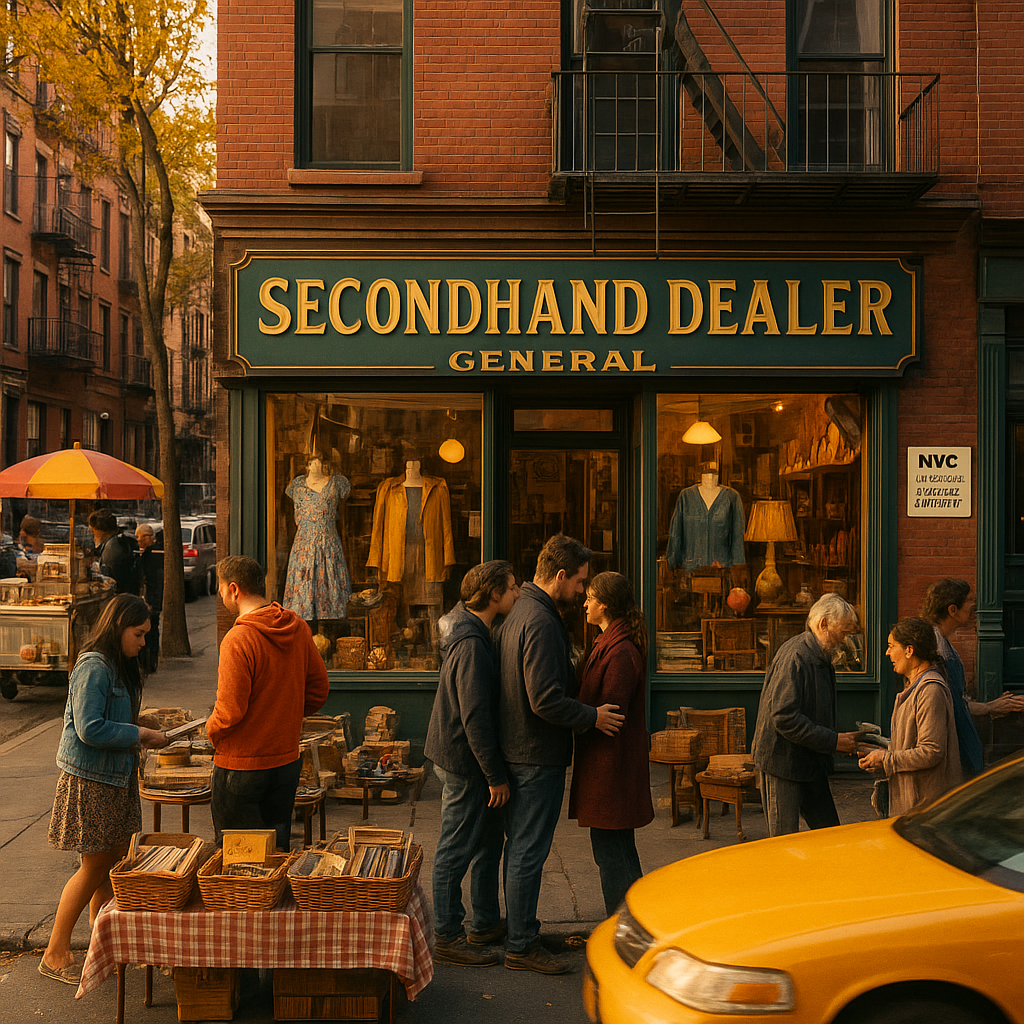
Ever thought about turning your passion for vintage finds into a real business? Or maybe you already run a shop where pre-loved treasures find new homes. If you buy, sell, or trade used goods in New York City, there’s one thing you absolutely can’t skip: the secondhand dealer license. It might sound like a mountain of paperwork, but think of it more like a friendly map. Once you understand the route, the journey becomes much clearer.
The rules come from the NYC Department of Consumer and Worker Protection (DCWP) — the city agency that makes sure both businesses and customers play fair. They require a specific license for most secondhand dealers, along with a special kind of insurance called a surety bond. Below, we’ll walk through every step in simple, everyday language. No legal jargon, no confusing terms — just a straightforward guide to getting your paperwork in order so you can focus on what you love.
What Exactly Is a Secondhand Dealer in NYC?
You might be thinking, “I just sell old furniture and clothes. Does that really count?” In the eyes of New York City, it absolutely can. The DCWP defines a secondhand dealer as any business that buys, sells, trades, or takes items on consignment from the public when those items aren’t new. This covers a huge range of products: used electronics, musical instruments, jewelry, antiques, sports equipment, power tools, and yes, even vintage clothing and secondhand furniture.
However, there are exceptions. If you only sell brand-new goods, this doesn’t apply to you. Also, certain items are regulated separately — cars and real estate are the big ones. And if you exclusively operate a tag sale at your own home a few times a year, you likely won’t need a dealer license. But for anyone with a permanent storefront, an online resale business based in the city, or a flea market booth that’s open regularly, the license is a must.
Why does the city care so much? Imagine a huge jigsaw puzzle of commerce. Without rules, it would be easy for stolen goods to end up for sale. The licensing process helps the police trace items and protect consumers. It’s not about making your life difficult; it’s about building trust. When customers see your license, they know you’re a legitimate business that follows the law. That’s a win for everyone.
The NYC Secondhand Dealer Bond: Your Safety Net, Explained
Now let’s talk about the part that often raises eyebrows: the Second Hand Dealer General Bond. If the word “bond” makes you think of complicated financial products, let’s simplify it. A surety bond isn’t insurance for you. It’s a promise to the city and your customers that you’ll follow the rules. Think of it as a security deposit, but instead of handing over a big pile of cash, you pay a small percentage to a bond company who guarantees the full amount.
For New York City, the DCWP currently requires a $1,000 surety bond. That’s the amount the bond covers if something goes wrong. Let’s say a customer can prove you knowingly sold them a stolen item and they suffered a loss. The bond might be used to reimburse them, up to that $1,000 limit. You don’t need to put down $1,000 yourself, though. Most businesses pay a premium — often around $100 to $150 — depending on your credit history. It’s a manageable upfront cost for a whole lot of peace of mind.
You’ll need to provide a valid bond with your license application. The bond must name the Department of Consumer and Worker Protection as the obligee, which simply means the city is the protected party. If you allow the bond to expire while your license is still active, the DCWP can suspend your license. It’s a bit like keeping your car insurance active to stay on the road. A continuous, renewable bond is your best bet to avoid any gaps.
Who Needs This Bond and Who Doesn’t?
It’s easy to get confused because not every secondhand dealer falls under the bonding requirement. Whether you need the $1,000 bond depends on what you sell. The DCWP specifies that dealers of “general” secondhand goods must carry the bond. That means items like:
- Used electronics (phones, laptops, gaming consoles)
- Secondhand household appliances
- Tools and equipment
- Cameras and musical instruments
- Sporting goods
Dealers who exclusively handle antiques, fine art, rare books, or collectible items that are more than 25 years old may not need the bond — but they still need a license. Secondhand auto parts dealers have their own separate bonding requirement. If your inventory spans multiple categories, the safest approach is always to ask the DCWP directly. Better to confirm than to have your application rejected over a missing document.
Why the difference? The city views general goods — especially electronics — as higher-risk for theft. Antiques and rare collectibles are often easier to authenticate and trace. The bond requirement simply adds an extra layer of accountability where it’s needed most.
Step-by-Step: Getting Your Secondhand Dealer License
Ready to turn your idea into a licensed reality? Follow these steps, and you’ll have your paperwork sorted in no time. Yes, there are forms to fill out and fees to pay, but breaking it down makes it feel much less daunting. Picture it like gathering ingredients before you cook a big meal. Prep now, enjoy later.
1. Gather Your Basic Business Information
Before you even open the application, make sure you have your business structure settled. Are you a sole proprietor, a partnership, a limited liability company (LLC), or a corporation? If you’ll use a name other than your own legal name — like “Brooklyn Vintage Vault” — you must register that trade name with the state. You’ll also need your Employer Identification Number (EIN) from the IRS, or your Social Security Number if you’re a sole proprietor with no employees. Having these ready prevents those frustrating “wait, I need to find…” moments.
2. Secure the Required Surety Bond
If your business requires the $1,000 bond, get this early. Reach out to a licensed surety bond provider who offers DCWP-required bonds. You’ll fill out a short application, undergo a soft credit check, and pay your premium. The bond company will then issue a bond form that you’ll submit to the DCWP. The original signed and sealed bond form must accompany your license application. A digital copy alone won’t cut it — the city wants the real deal. Keep a copy for your records, of course.
3. Complete the License Application Form
You can download the Secondhand Dealer License application from the DCWP website. Fill it out completely and honestly. You’ll be asked about your business address, ownership details, and the types of secondhand goods you plan to sell. If you have multiple locations, each one needs its own license. The application will also ask about your business’s history — have you ever had a license revoked? Have any owners been convicted of crimes related to theft or fraud? Honesty here is non-negotiable. A past issue doesn’t automatically disqualify you, but failure to disclose it certainly will.
4. Prepare Your Fingerprints and Background Check
New York City takes this seriously. All individuals who own or control the business — generally owners, general partners, and corporate officers with significant responsibility — must be fingerprinted. This step helps the DCWP verify that the people behind the business haven’t engaged in serious misconduct. You’ll schedule an appointment through the DCWP’s fingerprinting vendor, usually for a fee of around $85 per person. The prints go to the New York State Division of Criminal Justice Services and the FBI. The process feels a little formal, but it’s routine and usually completed quickly. Think of it as a background passport for running a trusted business.
5. Pay the License Fee
The standard license fee for a two-year period is $150. This is separate from your bond premium. The DCWP accepts payment by check, money order, or credit card depending on how you file. Remember, this fee is non-refundable, so make sure your application is complete before you send it in. If you mail the application, double-check you’ve included the bond, fingerprints receipt, and all required signatures. A missing signature can send your application right back to you.
6. Maintain Records Like a Pro
Once your license is approved — congratulations! — the real responsibility begins. New York City law mandates that secondhand dealers keep a detailed recording of every transaction. For each item you buy or take in, you must record the date, a description of the item (including serial numbers if available), and the name, address, and ID information of the person you got it from. This log must be kept for at least three years and available for police inspection. Some businesses use a digital logging system; others stick to a bound book. The format matters less than the accuracy. This might feel like extra work, but it’s your strongest shield if anyone ever questions the origin of the goods you’re selling.
Renewal Time: Don’t Let Your License Slip Away
Your license isn’t forever. It expires after two years, and you’ll need to renew it to stay legal. The DCWP typically sends a renewal notice to the mailing address on file, but don’t rely solely on that. Mark your calendar a few months before the expiration date. The renewal process is simpler than the initial application, but you must still have a current bond on file. If your bond expires before your license does, the city can swoop in and suspend your license until a new bond is provided. That means you’d have to stop all buying and selling immediately. It’s a harsh consequence for a paperwork oversight, but it’s completely avoidable.
Set a reminder to review your bond status annually. Many bond companies offer automatic renewal, but it’s your job to ensure the certificate gets sent to the DCWP. Keep your contact details updated with both the bond provider and the city. A small move that saves you from huge headaches.
Common Pitfalls (and How to Dodge Them)
Even the most organized people trip up now and then. Knowing these common mistakes can help you skate through the process without unnecessary delays.
Guessing about the bond requirement. Many applicants assume they don’t need a bond and end up with a rejected application. Check the DCWP’s latest guidance, or call them. The specific bond amount of $1,000 hasn’t changed in a long time, but regulations can shift. Always verify.
Forgetting that online sellers count. If you operate an eBay store or sell on Instagram from your apartment in the Bronx, you’re still a business in NYC. The city’s rules apply regardless of whether you have a physical storefront. Ignoring that fact can lead to fines and business disruption.
Mixing personal and business identity. When the DCWP asks for owners and officers, they mean everyone with a financial stake. Omitting a silent partner because they aren’t involved daily isn’t acceptable. Full transparency keeps you safe from accusations of concealing information.
Letting the police inspection requirement scare you. Police officers have the right to visit and inspect your records during business hours. This is standard. Cooperate, keep your records tidy, and you’ll have no trouble. See it as proof that you run a clean operation.
Is the Whole Process Worth It?
After reading all of this, you might wonder if the license and bond are really worth the effort. The answer is a wholehearted yes, especially if you want to build a long-lasting business. Operating without a license in New York City can result in serious fines — hundreds or even thousands of dollars — and the city can shut down your business completely. Even more importantly, having a license tells customers that you’re accountable. In a world full of anonymous online sellers, a DCWP-licensed shop stands out as a trustworthy place.
Think of it as the foundation of your house. The license and bond aren’t the flashy furniture or the fancy paint colors. They’re the concrete slab and the solid frame that let you build something tall and beautiful. Once they’re in place, you can focus on curating an amazing inventory, delighting your customers, and growing your dream secondhand business in the greatest city on earth.
So, take a deep breath. Start gathering your documents, reach out to a bond provider, and fill out that application. The process is predictable and doable. And soon enough, you’ll be hanging up your official license, ready to welcome customers into your store or send out packages from your home office with total confidence. Happy selling!