Westport, CT requires sanitary sewer connection and road opening permits for any work affecting public infrastructure. A permit bond acts as a financial guarantee that restoration will be completed to town standards, protecting the community from incomplete or faulty work.
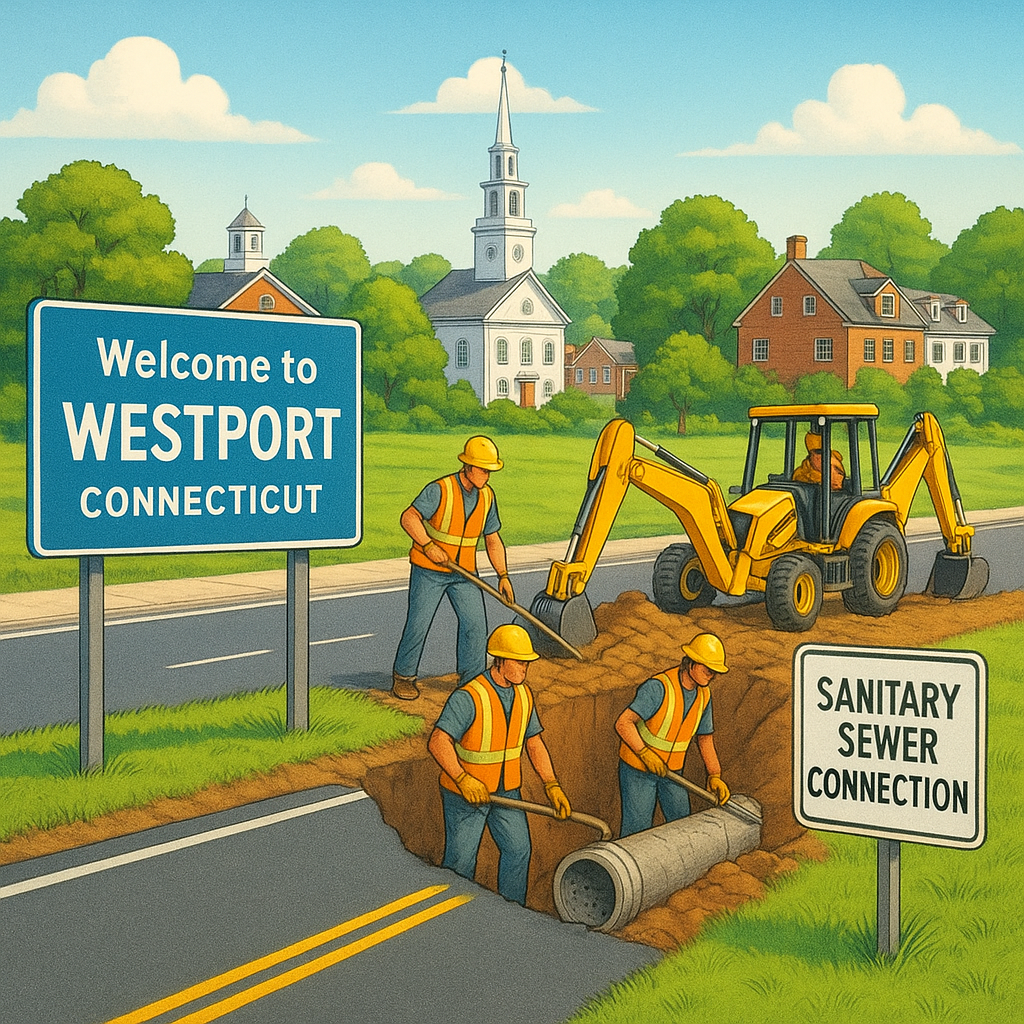
Getting ready to dig up a street or connect a property to the public sewer system in Westport, Connecticut? Then you’ve probably stumbled across the term “Sanitary Sewer Connection or Road Opening Permit Bond.” It might sound like a mouthful of official jargon, but don’t let the name scare you off. Think of it as a promise you make to the town that you’ll put everything back the way you found it—or better.
Whether you’re a homeowner hiring a contractor for a new sewer line, a utility company performing repairs, or a builder launching a new development, the Town of Westport wants to make sure that any work affecting public roads or the sanitary sewer system is done safely and responsibly. That’s where the permit process and the accompanying bond come in. This guide breaks down everything you need to know in plain, everyday language, so you can tackle your project with confidence.
What Are Sanitary Sewer and Road Opening Permits?
Before we dive into bonds, let’s get clear on the permits themselves. In Westport, CT, two distinct activities often overlap, and both require official town approval.
Sanitary Sewer Connection Permit
A sanitary sewer connection permit is required any time you want to hook a property up to the town’s public sewer system. This could be for a brand-new home, a commercial building, or even an older property that’s switching from a septic tank to a sewer connection. The town needs to review your plans to ensure the connection won’t overload the system, compromise public health, or damage existing infrastructure.
Without this permit, you can’t legally tap into the sewer main. And trust us, skipping this step can lead to fines, forced removal of the work, or a long delay in getting your occupancy certificate. Nobody wants that.
Road Opening Permit
Now, imagine your sewer line needs to cross under a public street to reach the main. Or maybe you’re a cable company installing new fiber optic lines. Any time you cut into, excavate, or otherwise disturb a public right-of-way—that includes sidewalks, curbs, and roadways—you need a road opening permit. The Town of Westport issues these permits to protect the public’s investment in its roads and to coordinate all the underground activity so that freshly paved streets aren’t torn up weeks later.
A road opening permit isn’t just a piece of paper. It’s your agreement to follow specific safety rules, restore the pavement to town standards, and stand behind your work for a set period of time. And that’s where the bond enters the picture.
Why a Permit Bond Is Required
Here’s a simple way to think about the permit bond: it’s a financial safety net for the Town of Westport and its residents. When you open a road or connect to the sewer, the town trusts you’ll complete the restoration properly. But what if something goes wrong? Maybe the contractor hits a water main, or the trench settles and creates a dangerous pothole six months later. The bond guarantees there’s money set aside to fix the problem without using taxpayer dollars.
More specifically, a Sanitary Sewer Connection or Road Opening Permit Bond is a type of surety bond. It involves three parties:
- You (the principal) – the person or business getting the permit.
- The Town of Westport (the obligee) – the entity requiring the bond.
- The surety company – the firm that issues the bond and backs your promise.
If you fail to meet the town’s conditions—say, you leave a trench improperly patched or ignore a repair order—the town can make a claim against your bond. The surety then pays the town up to the bond’s full amount. But remember, unlike insurance, a bond is not a get-out-of-jail-free card. You’ll ultimately have to repay the surety for any payout they make. So the bond keeps everyone’s eyes on the prize: a job done right the first time.
Who Needs This Bond and When?
Not every project triggers the bond requirement, but many do. You’ll typically need a sanitary sewer connection or road opening permit bond in Westport if:
- You’re connecting a new residential or commercial building to the municipal sewer main, and the work involves cutting into a public road or right-of-way.
- You’re repairing or replacing an existing sewer lateral that crosses under a town street.
- You’re a utility company or contractor performing any excavation in a public right-of-way, whether for water, gas, electric, or telecommunications lines.
- You’re a developer installing new roadways, sidewalks, or underground utilities that will eventually be dedicated to the town.
In many cases, the bond requirement is triggered the moment your project touches public property. Even if the majority of the work happens on private land, that street opening changes everything. When in doubt, call the Westport Department of Public Works (or the Engineering Department). They’ll let you know if a bond is needed and how much it should be.
How Much Does the Bond Cost?
The bond amount isn’t a one-size-fits-all figure. The Town of Westport sets the required bond based on the scope and potential impact of your project. A small sewer connection for a single-family home might need a bond of a few thousand dollars. A larger commercial development or a major road excavation could require a bond of tens of thousands of dollars.
Now for the good news: you don’t have to pay the full bond amount out of pocket. Instead, you pay a premium to a surety bond company. That premium is a small percentage of the total bond amount—often between 1% and 5% for well-qualified applicants. Your exact rate depends on your personal credit, business history, and financial strength. So if the town requires a $10,000 bond, you might only spend a few hundred dollars to secure it.
Step-by-Step Guide to Getting Your Permit and Bond
Feeling overwhelmed? Take a deep breath. The process is straightforward when you tackle it in order. Here’s a typical roadmap for a Westport sanitary sewer or road opening project.
1. Gather Your Project Details
Before you approach the town, have your plans ready. You’ll want a site plan showing the property boundaries, the location of the proposed sewer lateral, and exactly where the road cut will happen. If you’re working with a licensed contractor or engineer, they’ll prepare these drawings. Include details like traffic control plans, trench safety measures, and the restoration method you’ll use for pavement and landscaping.
2. Visit the Town of Westport’s Engineering or Public Works Department
You’ll typically start at the town hall or the public works office. Explain your project and ask for the official permit application. The staff will review your plans, confirm the exact requirements, and tell you the bond amount needed. They’ll also outline any other approvals—such as health department clearance for sewer connections.
3. Apply for the Bond
Once you know the required bond amount, reach out to a reputable surety bond agency. Provide the bond form that the town gives you (or the agency will have it on file), fill out a simple application, and give consent for a credit check. Many agencies can issue the bond the same day, especially for smaller amounts. You’ll get an official bond document to submit with your permit application.
4. Pay the Permit Fees and Submit Your Paperwork
Head back to the town with your completed application, the bond, and your detailed plans. Pay the applicable permit fees. These fees cover the administrative cost of reviewing your project and inspecting the work later. Once everything’s in order, the permit will be issued.
5. Complete the Work and Pass Inspection
Now comes the actual construction. Make sure you follow the approved plans and any conditions attached to your permit. The town will likely send an inspector to check the sewer connection, the backfill, and the temporary and permanent pavement patches. Don’t skip the final inspection—this step is critical.
6. Get the Bond Released
After the town is satisfied with the restoration and any mandatory waiting period has passed (sometimes one full freeze-thaw cycle, for example), you can request a release of your bond. The surety company will then close out the bond, and your obligation ends. Keep all your paperwork in a safe place until that release is official.
Common Pitfalls and How to Avoid Them
Even a straightforward project can hit speed bumps. Here are a few ways to stay out of trouble.
Assuming your contractor handles everything. Yes, many contractors will pull the permit and bond on your behalf. But ultimately, the property owner is responsible. Ask to see a copy of the permit, the bond, and the final inspection sign-off. A little oversight goes a long way.
Underestimating the timeline. Permit review can take days or weeks, especially during peak construction season. Factor that into your schedule. Rushing the process often leads to incomplete applications and rejected permits.
Forgetting about right-of-way restoration standards. The town won’t accept a shoddy patch job. Westport has specific requirements for asphalt thickness, concrete mix, and even the compaction of the trench. Your contractor should know these rules, but it’s wise to confirm that the restoration plan meets all town specifications before you break ground.
Ignoring additional insurance requirements. Beyond the bond, the town may ask for proof of general liability insurance and workers’ compensation coverage. Have those certificates ready when you apply for your permit.
What If Something Goes Wrong?
Let’s say a month after your road opening, the pavement sinks and creates a hazardous dip. A resident complains, and the town sends you a notice to repair it. If you fix the issue promptly—at your own expense—the bond never gets touched. If you refuse or drag your feet, the town can file a claim against your bond. The surety will investigate, and if the claim is valid, pay the town. Then they’ll come to you for reimbursement. That’s why it’s in your best interest to address problems immediately. The bond is there for protection, but a claim on your record can make future bonds harder and more expensive to get.
Frequently Asked Questions
Can I do the sewer connection myself without a contractor?
Some Connecticut towns allow homeowners to perform their own work, but you still need the appropriate permit and bond. Check with Westport’s building and public works departments because the rules can be strict, and you may need a licensed plumber or drain layer for the actual sewer tap.
How long does a road opening permit last?
Permits usually have an expiration date, often tied to the expected duration of the work. If your project runs longer than anticipated, request an extension before the permit expires. Working with an expired permit can lead to fines and a stop-work order.
Does the bond cover damage to my own property?
No. The bond is exclusively for the town’s protection related to public infrastructure. Damage to your private home, lawn, or driveway would fall under your contractor’s insurance or your own property coverage.
Will a claim affect my credit score?
A bond claim itself doesn’t directly hit your credit report, but if you fail to repay the surety, the resulting collection activity certainly can. Always communicate with your surety if trouble arises. They’d much rather help you avoid a claim than handle a full-blown payout.
Wrapping It Up
Navigating the world of sanitary sewer connections and road opening permits in Westport, CT, doesn’t have to feel like a maze. The key is understanding that the town isn’t trying to throw up unnecessary hurdles; they’re safeguarding the community’s infrastructure and everyone’s safety. The bond is simply a tool to ensure that promise gets kept.
So before you or your contractor starts any excavation, touch base with the town, find out the specific bond amount you’ll need, and secure that bond from a trusted surety provider. With good planning, clear communication, and a commitment to quality work, your project will roll along smoothly—and the roads and sewers of Westport will stay in top shape for years to come.