Mansfield, Massachusetts is enhancing its street opening and infrastructure compliance standards, requiring permits and excavation bonds to ensure road repairs are durable and safe. This initiative guarantees that contractors restore public roads to a condition as good as or better than before, protecting the town’s infrastructure and residents.
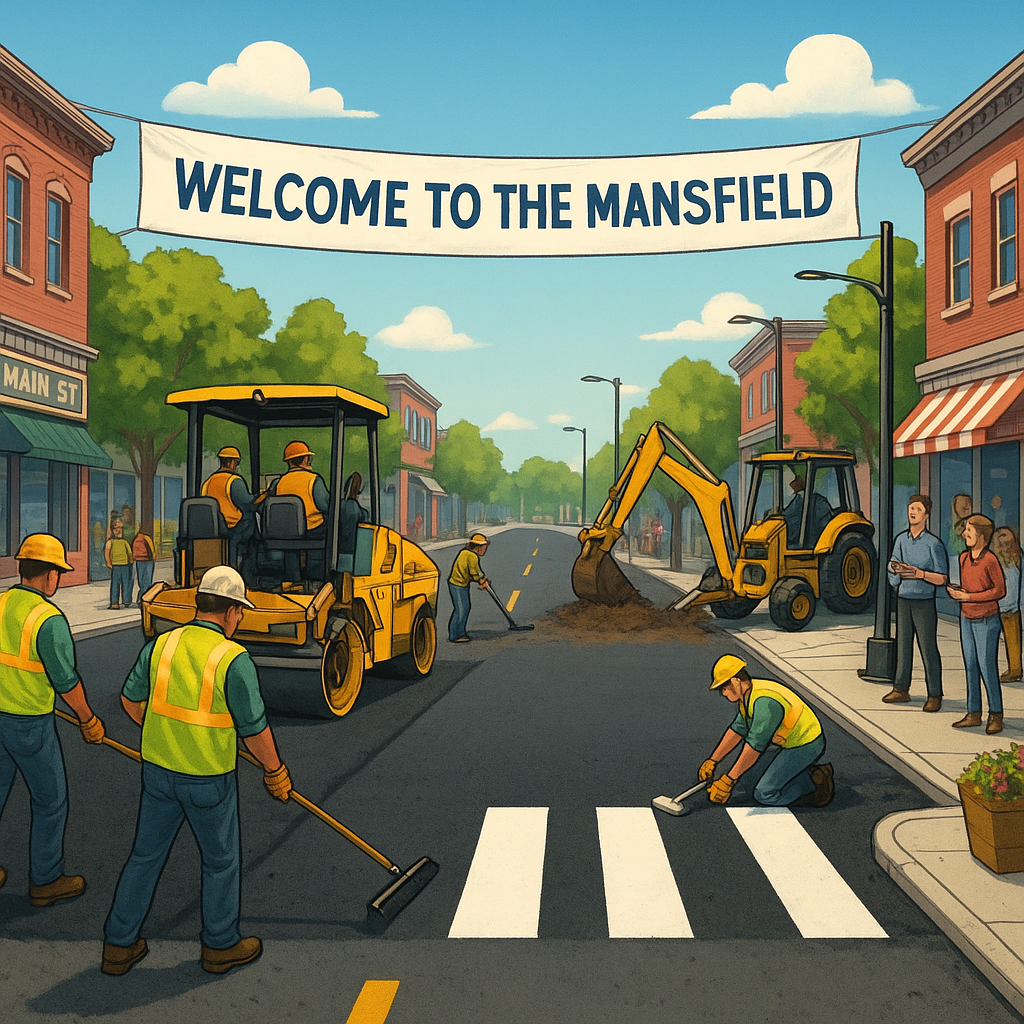
Have you ever driven down a freshly paved road and thought, “Wow, that’s smooth”? Or maybe you’ve grumbled your way through a maze of orange cones and wondered why the work seems to drag on forever. Behind every new curb, water line, or patch of blacktop, there’s a careful dance of planning, permits, and professional contractors. For residents of Mansfield, Massachusetts, that dance is getting a major upgrade.
If you’ve been paying attention to local improvements, you’ve likely heard whispers—or maybe a few jackhammers—about the town’s renewed focus on street openings and infrastructure compliance. This isn’t just about filling potholes. It’s about making sure every road cut, every excavation, and every paving project leaves our streets safer and longer-lasting than before. Let’s break down what’s happening, why it matters, and how it affects you.
The Heartbeat of Mansfield’s Streets
Think of the roads beneath your tires like the veins of our community. They carry us to work, school, and the local coffee shop. When a utility company needs to install new gas lines or a homeowner wants to connect to the town sewer, the street becomes a surgical site. A street opening permit is the “scalpel” that ensures the operation is done correctly.
Mansfield, like many growing towns, has seen its fair share of patchwork repairs. You’ve probably noticed a wobbly stripe of asphalt where a trench was dug months ago, now sinking into a shallow ditch. Those frustrating bumps aren’t just an annoyance—they’re signs that the original work didn’t meet tough enough standards. That’s exactly what the town’s new focus on compliance aims to fix.
Why Street Opening Permits Are a Big Deal
Imagine you need to dig a hole in your own driveway. You’d probably research the best way to fill it so your car doesn’t sink. Now multiply that by a four-lane road and thousands of cars a day. That’s why the Town of Mansfield requires a street opening permit for anyone—utility giants, private contractors, or even homeowners—disturbing the public way.
The permit isn’t just red tape. It’s a promise between the contractor and the town. It says, “I will put this road back as good as, or better than, I found it.” The process involves detailed plans, traffic management, and, most importantly, a financial safety net known as a street excavation bond.
What Exactly Is a Street Excavation Bond?
A bond can sound intimidating, like something only bankers discuss. In plain terms, it’s a security deposit. Before a contractor breaks ground, they post a bond with the town. If the repair fails—say the trench settles into a moon-crater pothole—the town can use that bond money to fix it. This “compliance only” bond is a dedicated promise that the work will meet Mansfield’s standards. It’s not optional; it’s the contractor’s skin in the game.
Meet the Experts: Paving and Excavation Contractors
You can’t have a street opening without two key players: the excavation contractor and the paving contractor. Sometimes they’re the same crew, sometimes they aren’t. Either way, understanding what each does helps you appreciate the complexity of the job.
The Excavation Contractor: More Than Digging a Hole
Excavation sounds straightforward—dig, remove dirt, repeat. But an excavation contractor in Mansfield does much more. They’re the ones who carefully uncover buried utilities without cutting a fiber optic line or cracking a water main. They manage the soil, ensure the trench is properly compacted when it’s time to backfill, and follow strict safety protocols. A poorly compacted trench is a future pothole waiting to happen. That’s why Mansfield’s compliance emphasis targets the excavation phase so closely.
The Paving Contractor: The Smooth Finish
After the pipes are laid and the hole is filled, the paving contractor steps in. But they don’t just slap down hot asphalt and call it a day. A proper paving job in our climate means multiple layers, proper grading for drainage, and seamless integration with the existing road. Ever see a patch that looks like a bumpy quilt square? That’s a shortcut. Mansfield’s street opening standards demand temporary patches followed by permanent restoration, ensuring the pavement holds up through frost heaves and summer heat.
Why “Compliance Only” Matters
The phrase “compliance only” appears next to many bond requirements, and it’s a game-changer. It means the bond is strictly tied to following the town’s rules. If a contractor cuts a corner, the bond covers the cost to bring that corner back up to code. This isn’t about punishing good contractors—it’s about weeding out the ones who might take a “dig and dash” approach.
For you as a resident, this means fewer shoddy repairs and less tax money spent re-fixing the same stretch of asphalt. It’s a smarter, more accountable system that protects everyone’s investment in the town’s infrastructure.
How Does This Boost Mansfield’s Infrastructure?
When the town tightens compliance, the ripple effects spread wider than a fresh asphalt roller. Better initial work means fewer emergency repairs down the line. That translates to:
- Safer roads: Smooth surfaces mean better bike rides, less vehicle wear and tear, and safer school zones.
- Lower long-term costs: Fixing a trench collapse once is cheaper than patching it three times.
- Quicker project wrap-ups: Clear expectations speed up inspections and reopen roads faster.
- Increased property values: Well-maintained neighborhoods attract homebuyers and businesses alike.
Imagine driving down Chauncy Street without dodging that one mystery dip. Or watching crews finish a water main replacement on time because their bond depends on it. That’s the vision behind Mansfield’s infrastructure boost.
Choosing the Right Contractor in Mansfield, MA
Whether you’re a project manager for a utility or a homeowner needing a new sewer connection, picking a qualified street contractor is suddenly a whole lot clearer. The compliance spotlight means you want a team that already lives and breathes Mansfield’s standards. Here’s a quick checklist:
- Verify their bond: Ask if they’ve secured the required street excavation bond for Mansfield specifically.
- Check local experience: A contractor who regularly works in town knows our soil, our traffic patterns, and our inspection process.
- Look for comprehensive service: Can they handle both excavation and paving? Coordinated crews reduce delays.
- Ask about warranties: Beyond the bond, do they stand behind their work?
Remember, a low bid might seem attractive, but if the bond gets called because of a failed trench, the real cost lands on you or the town. Value lies in doing it right the first time.
What You’ll Notice Around Town
As these tighter rules take root, you might see a few changes. For one, temporary patches might look neater because they’re held to a higher standard. You might also see inspectors out more often, clipboard in hand, ensuring that compaction tests are passed before a single load of asphalt arrives. It can feel like more oversight, but it’s actually quality control that benefits your daily commute.
Ever passed a street opening where the steel plates were rattling for weeks? That’s often a sign of a contractor struggling to finish the job. With stronger compliance, the timeline for final restoration is enforced. That racket disappears sooner, and the road gets its permanent black coat on schedule.
A Real-World Example: Water Main Replacement
Let’s walk through a common scenario. The town needs to replace an aging water main on a residential street. Here’s the streamlined process under the new focus:
- Permit and bond posted: The excavation contractor secures the street opening permit and provides the compliance-only bond to the town.
- Careful dig: They trench only as wide as necessary, using proper shoring and keeping utility marks visible.
- Backfill with compaction: Instead of dumping loose dirt, they add fill in layers, tamping each one down. Inspectors check the density.
- Temporary paving: A smooth, safe temporary surface goes down while the ground settles and other trades finish their work.
- Final pave: Weeks later, the paving contractor cuts a clean edge, applies a tack coat, and lays a permanent asphalt patch matched to the surrounding grade.
Every step gets verified, and if any step fails, the bond finances the fix. No taxpayer-funded do-overs needed.
Your Role in Smoother Streets
You might be thinking, “All this contractor talk sounds like insider baseball.” But the truth is, you play a part too. If you see a shoddy repair or a street opening that sat neglected for weeks, you can reach out to the Department of Public Works. Your observations help the town hold contractors accountable. An engaged community is the final piece of the compliance puzzle.
Looking Ahead: Mansfield’s Infrastructure Future
The town’s renewed emphasis on street opening bonds and contractor compliance isn’t a one-time campaign. It’s a philosophical shift. As Mansfield grows, every new development, every utility upgrade, must leave our roads better than before. This approach not only preserves our street network but builds a reputation that attracts top-tier paving and excavation professionals who want to work where excellence is expected.
So next time you roll over a flawlessly matched asphalt joint, give a silent nod to the boring-but-brilliant system of bonds, permits, and skilled contractors. That seamless ride didn’t happen by accident—it happened by compliance.
Frequently Asked Questions
What is a street excavation bond in Mansfield?
It’s a financial guarantee required from contractors before they can dig into a public street. If their work fails to meet town standards, the bond covers the cost of repairs.
Who needs a street opening permit?
Any contractor, utility company, or property owner who disturbs the surface of a public road, sidewalk, or right-of-way in Mansfield must obtain a permit.
How long does a typical street opening repair take?
Timelines vary. A temporary patch goes down immediately after backfilling. Permanent paving usually follows within a few weeks, weather permitting, to allow proper settling and inspection.
Can I hire my own contractor for a driveway connection?
Yes, but that contractor must meet Mansfield’s licensing, insurance, and bonding requirements. Always confirm they’ve pulled the proper street opening permit.
How does compliance benefit me as a resident?
It means fewer dangerous potholes, less road noise, lower long-term maintenance costs for the town, and a smoother, safer driving experience.
Mansfield is paving a path—literally—toward a smarter, more accountable way of managing our shared streets. The jackhammer you hear today might be laying the foundation for twenty years of quiet drives. And that’s something we can all get behind.