Milton, Massachusetts, is introducing a Public Works Bond to fund comprehensive street improvements, moving beyond temporary patches to lasting infrastructure repairs. The bond will finance projects like full-depth road reclamation, curb and sidewalk repairs, and stormwater drainage upgrades.
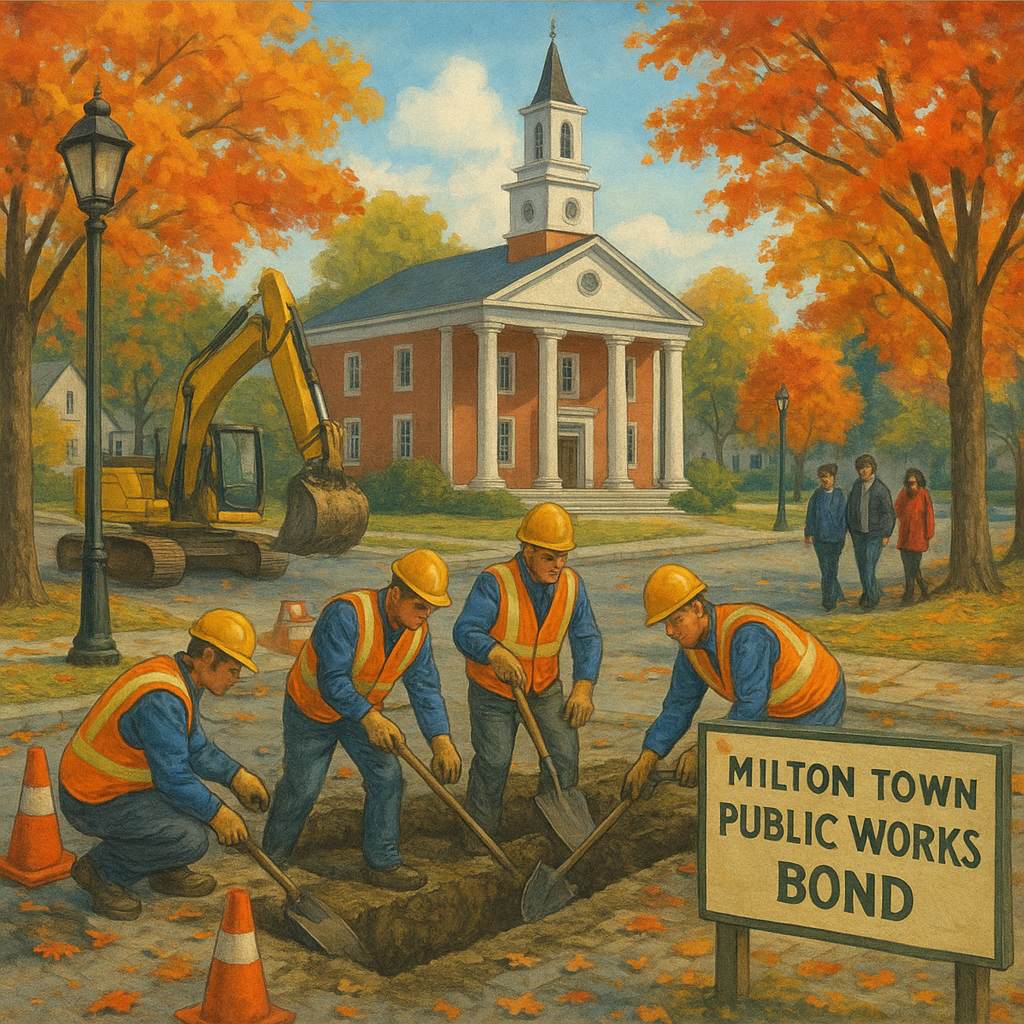
Picture this: You’re driving down a familiar road in Milton, Massachusetts, and instead of dodging potholes or wondering when that crack might turn into a tire-eating crater, you’re gliding along smooth, freshly paved asphalt. That dream could soon become reality, thanks to something called a Public Works Bond that the Town of Milton is introducing. If terms like “bond” make your eyes glaze over, don’t worry. We’re going to break it all down in plain, everyday language—no finance degree required.
What Exactly Is a Public Works Bond?
Think of a public works bond like a community mortgage, but instead of buying a house, the town is investing in its own streets, sidewalks, and infrastructure. When a town needs to tackle big, expensive projects—like repaving miles of roads or upgrading drainage systems—it often doesn’t have all that cash sitting in the bank. So, it turns to a bond. Essentially, investors lend the town money upfront, and the town pays that money back over time, with interest, using future tax revenue or other dedicated funds. It’s a long-established, responsible way to make major improvements without a sudden spike in your tax bill.
In Milton’s case, this bond is laser-focused on street improvements. We’re talking about the roads you use every morning to get to work, the streets where your kids ride their bikes, and the routes that emergency vehicles rely on. By bundling multiple projects together under one bond, the town can move faster, tackle more streets, and often get better pricing from contractors.
Why Milton Needs This Bond Right Now
You might be wondering, “Aren’t roads just, well, roads? Why the big push?” The truth is, the streets in Milton have been quietly aging, much like that old roof on your house that’s been holding up for years but suddenly needs more than a patch. New England weather is tough on pavement. Freeze-thaw cycles, snowplows, and heavy rain all team up to create cracks, potholes, and sunken areas. Patching those up year after year is like putting a band-aid on a leaky pipe—it helps for a short while, but eventually you need a real fix.
By introducing this bond, the Town of Milton Public Works department is signaling that it’s time to shift from temporary patches to comprehensive, lasting solutions. This isn’t about a cosmetic touch-up; it’s about rebuilding the foundational layers of the roads so they can handle decades of traffic.
What Kinds of Projects Are We Talking About?
Street improvements cover more than just a fresh layer of blacktop. Here’s a quick look at what that bond money could fund:
- Full-depth reclamation: Instead of just paving over old asphalt, crews grind up the existing road, mix it with new materials, and create a stronger base.
- Curb and sidewalk repairs: Cracked, uneven sidewalks pose tripping hazards and make neighborhoods less accessible. The bond can include pedestrian-friendly upgrades.
- Stormwater drainage upgrades: Have you noticed water pooling on certain streets after a heavy rain? Poor drainage can erode roads from beneath. Fixing drains and culverts extends the road’s life.
- Traffic calming measures: Things like raised crosswalks, better signage, and speed humps can be integrated into a repaving plan to make streets safer for everyone.
- Utility coordination: Ever had a road freshly paved only to see it torn up six months later for gas or water line work? A well-planned bond can sync up with utility companies so digging happens before the new pavement goes down, not after.
How Does This Affect You as a Milton Resident?
I get it—when the word “bond” appears in town news, the first question that pops into your mind is likely, “So, are my taxes going up?” That’s a fair concern, and you deserve a straight answer. A bond does need to be repaid, and that repayment typically comes from the town’s operating budget, which is funded by property taxes. However, because the repayment is spread out over many years—often 15, 20, or even longer—the annual impact is significantly smaller than if the town tried to pay for everything at once. Think of it like financing a home improvement project with a low-interest loan instead of draining your entire savings account.
Moreover, ignoring road problems costs money too. Driving on poorly maintained roads leads to vehicle wear and tear—alignments get knocked out, tires get damaged, suspension components wear faster. Over time, those repair bills can really add up for every household. A smooth, well-maintained street network also supports property values because curb appeal matters. When buyers see crumbled curbs and patchwork asphalt, they often assume the entire neighborhood is in decline. Clean, modern infrastructure sends a very different message.
The Ripple Effect on Daily Life
Beyond your car’s health and your home’s value, better streets touch nearly every part of daily life. School buses can run more safely and efficiently. Delivery trucks waste less time navigating broken roads. Bicyclists and pedestrians feel more confident sharing the road. Even something as simple as pushing a stroller becomes easier when sidewalks aren’t a slalom course around cracks. There’s a quiet dignity in living in a town that takes care of the basics, and roads are about as basic as it gets.
Milton Town Public Works: The Team Behind the Scenes
The Milton Town Public Works department is the crew that will be spearheading these projects. If you’ve ever seen them out in the snow at 3 a.m. plowing your street or patching a sinkhole on a Saturday, you already know how dedicated they are. These folks understand which roads need the most attention because they’re the ones who maintain them day in and day out. The bond gives them the resources to do their jobs the way they’d want to—thoroughly and with a long-term view.
But here’s an important point: the public works team doesn’t make these decisions in a vacuum. Typically, a bond proposal involves input from the Select Board, Finance Committee, and community members. Public hearings and town meetings give you the chance to ask questions, voice concerns, and get into the nitty-gritty of which streets are slated for work. If you’re passionate about your neighborhood’s needs, that’s the time to speak up.
Common Questions About Municipal Bonds
Let’s tackle a few questions that often come up when a town introduces a bond like this.
“Isn’t the town already getting state or federal money for roads?”
Yes, Milton does receive Chapter 90 funds from the state for road maintenance. But those funds are limited and must be spread across all Massachusetts municipalities. They help with annual upkeep, but they’re rarely enough to cover large-scale reconstruction projects. The bond fills the gap, enabling transformative work rather than just routine patching.
“How do I know the money will be spent wisely?”
Municipal bonds come with strict rules. The funds can only be used for the purposes outlined in the bond authorization—in this case, street improvements. There’s plenty of oversight, and regular reporting ensures transparency. You can also expect project timelines and updates to be shared on the town’s website and at public meetings.
“Could this bond cause traffic nightmares during construction?”
There’s no sugarcoating it: road construction can be disruptive. But modern project management has come a long way. The town will likely require contractors to maintain at least one lane of traffic where possible, provide detour signage, and limit work during peak travel hours. A few weeks of orange cones and guys in hard hats is a temporary inconvenience for a decade of smooth driving.
What Makes Milton Special—and Worth the Investment
Milton isn’t just any suburb. With its historic homes, Blue Hills Reservation right next door, and a strong sense of community, it’s a place where people put down roots. Investing in streets is deeply tied to investing in that community character. Imagine the delight of turning onto a tree-lined street that’s as beautiful under your tires as it is to your eyes. Or think about the elderly neighbor who can walk safely to the corner store because the sidewalk is finally level. These are the kinds of small-but-mighty improvements that make daily life just a little bit better.
When you hear “Milton MA Introduces Public Works Bond for Street Improvements,” try not to think of it as just another government notice. See it as the town putting on its work boots and saying, “We’re ready to build something better, together.” Yes, it’s a financial commitment, but it’s also a commitment to the place where you’ve chosen to live, work, and maybe raise a family.
How You Can Stay Informed and Get Involved
If this topic sparks your interest—or if you have specific concerns—here’s what you can do:
- Visit the Town of Milton website: Look for the Public Works or Town Administrator page. Meeting agendas, bond details, and project lists are often posted there.
- Attend a select board or Town Meeting: These gatherings are where decisions get debated and voted on. Your voice truly matters.
- Sign up for town alerts: Many municipalities have email or text alert systems for road closures, project updates, and public hearings.
- Talk to your neighbors: Sometimes the best way to understand something is to kick it around at the mailbox or over a fence. You might learn that others have been wondering the same things you have.
Progress on our roads doesn’t happen by magic. It takes planning, funding, and a community that supports the long view. The proposed public works bond is an opportunity to get ahead of the curve—literally—and ensure Milton’s streets are safe, smooth, and welcoming for years to come. So next time you hit a pothole that rattles your teeth, remember: that bump could soon become a memory, and you’ll have played a part in making it happen.
We’ll keep watching as the bond process unfolds, and we’ll share updates as more details emerge. For now, it’s safe to say that Milton, Massachusetts is paving the way forward—one carefully planned street at a time.