Quincy, Massachusetts has introduced a new Street Opening Performance Bond policy requiring contractors, utility companies, and homeowners to secure a financial guarantee before digging into public roads or sidewalks. The bond ensures restoration work is completed properly without draining taxpayer funds, protecting the city's infrastructure investments by streamlining enforcement and tying bond proof directly to the permitting process.
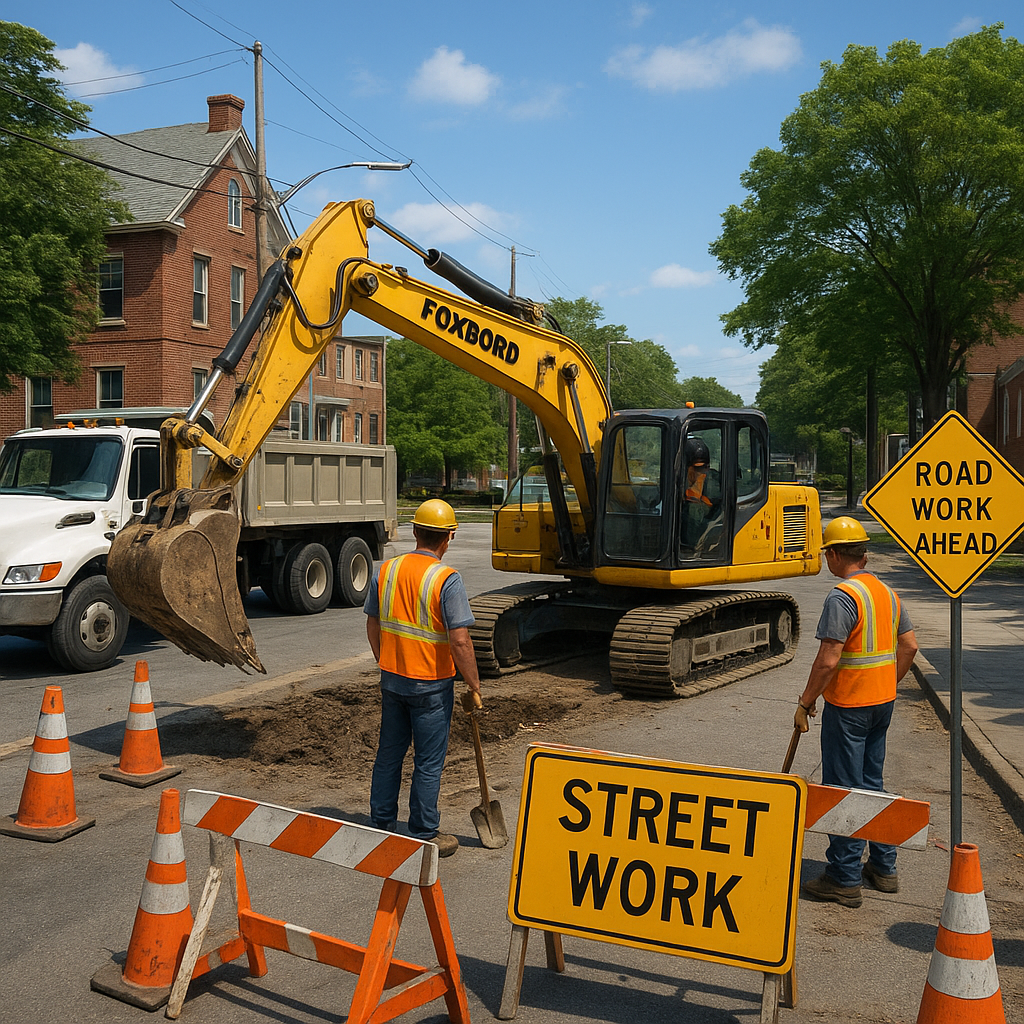
If you’ve ever driven through Quincy, Massachusetts, and noticed a freshly paved road getting cut open a month later for utility work, you understand the frustration. It feels like a never-ending cycle. The City of Quincy’s Department of Public Works has been working behind the scenes to change that, and their latest tool is something called a Street Opening, Public Right of Way Performance Bond. This new policy is quietly reshaping how contractors, utility companies, and even homeowners approach any project that touches public streets or sidewalks.
You may be wondering, “What does this bond actually mean for me?” Whether you’re a contractor bidding on a city project, a homeowner planning a new sewer connection, or a business owner tired of pothole detours, this policy has ripple effects worth understanding. Let’s walk through it in plain language, no legal jargon attached.
What Exactly Is a Street Opening Performance Bond?
Think of a performance bond as a promise backed by money. When someone wants to dig into a public street, sidewalk, or right-of-way in Quincy, they’re borrowing public property. The city wants a guarantee that everything will be put back exactly the way it was—or better. A street opening performance bond is that financial guarantee. If the work isn’t completed properly, the bond funds can be used to fix it without draining taxpayer dollars.
It’s similar to a security deposit when you rent an apartment. You give the landlord a deposit, promising you won’t trash the place. If you leave it spotless, you get your money back. If not, the landlord uses your deposit for repairs. Here, the City of Quincy is the landlord, and the public road is the apartment.
Why Not Just Trust the Contractor?
Trust is great, but pavement failures don’t discriminate. Even the most skilled crews can run into problems: poor soil compaction, mismatched asphalt seams, or simple scheduling delays. Without a bond, the city would have to chase after a contractor for repairs, often months after they’ve moved on to another job. The bond eliminates that chase. It ensures there is a dedicated pot of money available to Quincy’s Department of Public Works to step in and complete the restoration if an opening is left in poor condition.
Quincy’s New Policy: A Sharper Focus on Road Quality
The City of Quincy Department of Public Works didn’t invent performance bonds for street openings—they’ve existed in various forms. But the newly implemented policy tightens the requirements and streamlines enforcement. This shift comes as the city ramps up infrastructure upgrades and wants to protect those investments. Freshly paved roads should stay smooth, not become a patchwork quilt of utility cuts.
The policy clarifies exactly who needs a bond, how much it must cover, and the timeline for restoration. It also ties the bond directly to the permitting process. In other words, you can’t get your street opening permit without proof of a valid bond. It’s now a hard stop, not a polite suggestion.
What Counts as a Street Opening?
You might be surprised at how many activities require this bond. It’s not just giant construction projects. Any work that cuts, excavates, or disturbs the paved surface of a public street, alley, curb, or sidewalk likely triggers the requirement. That includes digging a trench for a new water service, repairing a sewer lateral, installing underground fiber optic cables, setting a utility pole, or even creating a new driveway curb cut that touches the public right-of-way.
The key phrase is public right of way. If you’re working on your private driveway apron where it meets the street, you’re likely still in the public right of way. The city wants to make sure that crucial transition point is restored correctly so water doesn’t pool and freeze, creating a hazard for everyone.
Who Needs to Pay Attention Right Now?
This policy touches quite a few groups, each in a different way.
- Licensed Utility Contractors: Gas, electric, water, and telecom crews perform hundreds of street openings each year. A blanket bond or project‑specific bond might be required. If you’re an established utility company, you may already have a master agreement, but the city is being more rigorous about keeping those bonds current and at the right dollar amount.
- General Contractors and Excavators: Any builder breaking ground for new construction, additions, or major landscaping that disturbs the street needs to factor this bond into the bid. It’s now a direct cost of doing business in Quincy.
- Homeowners and Small Property Owners: If you’re paying a plumber to replace an old clay sewer pipe that runs under the street, the bond obligation might fall on the contractor you hire. But smart homeowners will ask, “Do you carry a valid Quincy street opening bond?” Don’t assume they do. Your project could stall if they haven’t secured it.
- Property Developers: Large‑scale projects with new utility connections will see multiple bonds potentially needed for different phases of road disturbance.
Does this mean a small job like repaving your driveway where it dips onto the road is now a bureaucratic nightmare? Not necessarily. The city often sets a de minimis threshold. Tiny, shallow patches that don’t structurally compromise the road might not require a full‑scale bond, but any cut that exposes the road base almost certainly does. Always check with the Department of Public Works before breaking ground. A five‑minute phone call can save you a $1,000 fine and serious delays.
How Does the Bond Process Work in Quincy?
Understanding the steps removes a lot of anxiety. Here’s the typical flow for a new street opening project.
You start with the permit application at the City of Quincy Department of Public Works. You’ll describe the location, the size of the opening, the purpose, and the proposed restoration method. The DPW will review the scope and determine the required bond amount. That amount is generally calculated to cover the full cost of temporarily patching and then permanently restoring the trench, including milling and overlaying the pavement area affected by the cut.
Once the bond amount is set, you obtain the bond from a surety company or an insurance agent that handles surety bonds. The cost is a small percentage of the total bond amount, often 1% to 3% for well‑qualified applicants. A $10,000 bond might only cost you $100 to $300. The bond is then filed with the city as part of your permit packet.
After the work is done and the restoration is complete, you notify the DPW. An inspector will come out to verify the repair meets the city’s standards. If everything checks out, the bond obligation is released. You don’t lose that premium; it’s simply the price of the guarantee. The bond itself expires once the restoration obligations are fulfilled.
What Happens if the Repair Fails?
Let’s paint a picture. A contractor cuts a neat trench for a water line, fills it, and paves over it. Six months later, the trench settles three inches, creating a jarring bump. Neighbors complain. The city contacts the contractor to fix it. If the contractor refuses, goes out of business, or simply can’t be reached, the DPW can call the bond. They’ll hire a repair crew, pay for it using the bond funds, and the road gets fixed without the city having to dip into its general fund.
This is the core benefit for every Quincy resident. Potholes and utility cuts won’t linger for years waiting for a responsible party that vanished. The financial safety net is already in place.
Common Questions (and Straight Answers)
We hear a lot of confusion around this topic. Let’s clear it up.
“Is this bond the same as my contractor’s license bond?”
No. A contractor’s license bond typically guarantees compliance with state regulations and consumer protection. The street opening bond is specific to physical restoration of public property in Quincy. You can’t swap one for the other.
“What if I’m just repairing a small water service leak under the sidewalk?”
Sidewalks are part of the public right of way. A small opening may still require a bond, though the amount will reflect the smaller scope. Quincy’s policy aims to be proportionate. Don’t assume small means exempt; call ahead.
“Can a homeowner purchase the bond, or does the contractor have to?”
Either party can, but it’s typically the entity holding the street opening permit that must provide the bond. Most contractors include the bond cost in their quote. If you’re acting as your own general contractor pulling the permit, you would need to secure the bond yourself. Most insurers and surety agencies can guide you through it.
“How long does the bond stay active?”
It lasts until the DPW signs off on the permanent restoration. Some bonds are project‑specific and close when that job is done. Others are continuous bonds that cover all openings by a contractor over a year. The new policy encourages clarity on the bond term so there’s no gap in coverage.
Why This Policy Actually Saves You Money
It’s tempting to see another bond requirement as a new fee. But step back and look at the bigger picture. Roads that deteriorate from poorly patched trenches cost far more to rebuild later. Every time a heavy truck hits a sunken utility cut, the impact stresses the surrounding pavement, causing spider‑web cracking. That accelerates the entire road’s life cycle from thirty years to perhaps fifteen. You pay for that through higher property taxes and vehicle repairs.
By ensuring that every street opening is restored to a high standard—and holding the bond as leverage—Quincy extends the life of its roads. You enjoy a smoother ride, fewer alignment‑damaging potholes, and a community that looks well‑cared‑for. It’s preventive medicine for infrastructure.
What Should You Do Next?
If you’re planning any work this spring or summer that even might touch the street or sidewalk, start with a call to the Quincy Department of Public Works. Ask about the current bond requirements for your specific project size. The staff there are familiar with the updated policy and can give you the details you won’t find on a generic forum.
Contractors, it’s wise to build a relationship with a surety broker who understands municipal bonds. Having a pre‑qualified line for street opening bonds can speed up your permit applications and make your bids more competitive. Homeowners, don’t be afraid to ask your plumber or landscaper for proof of bonding. A professional won’t hesitate to show it.
This new chapter in Quincy’s road management isn’t about red tape. It’s about accountability, safety, and protecting the network of streets that connect all of us. When a job is done right, the bond is just a piece of paper in a file drawer. But when things go sideways, that paper becomes the reason your morning commute doesn’t involve a coffee‑spilling jolt. And that’s something we can all get behind.