To operate as a private detective in Rhode Island, you must secure a surety bond that protects clients and the public from financial harm caused by unethical or illegal conduct. This three-party agreement ensures accountability, bolsters professional credibility, and is a mandatory step for state licensure.
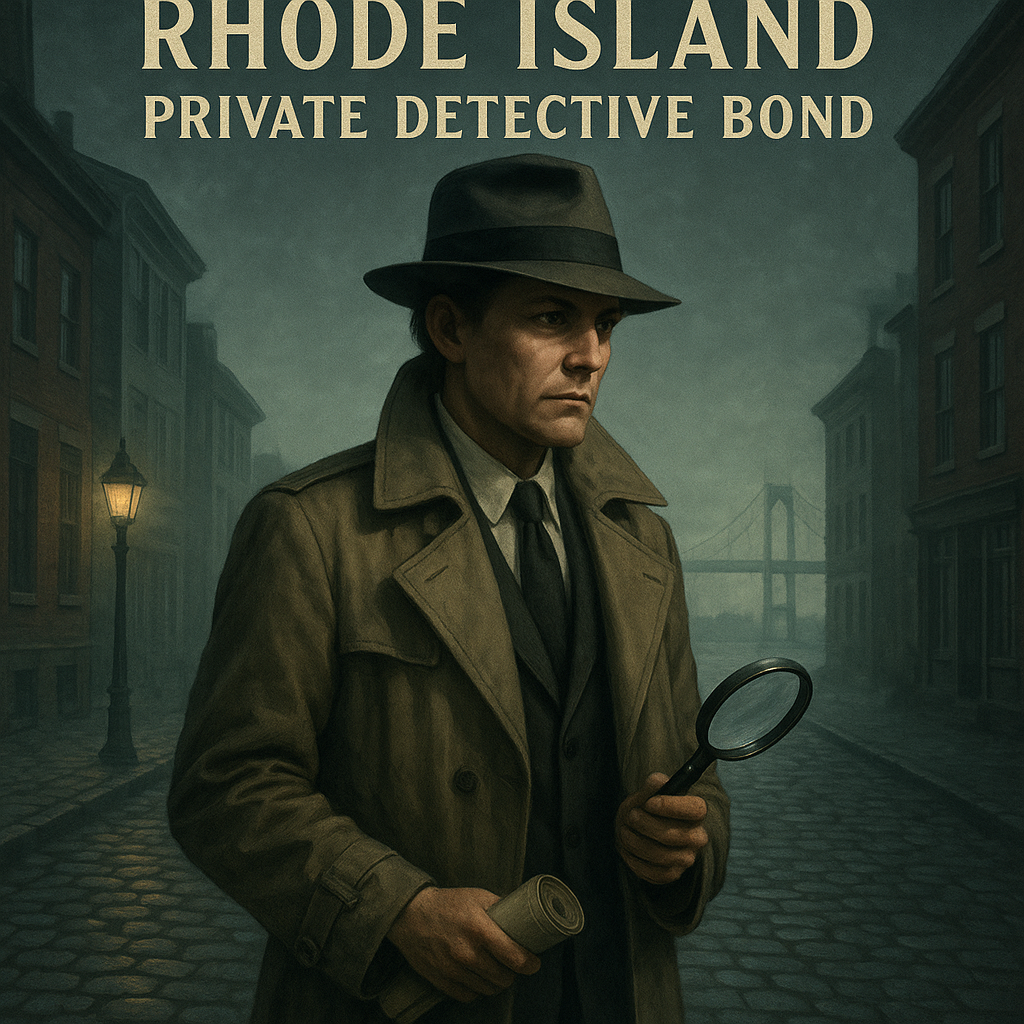
So, you’re ready to hang out your shingle as a private detective in the Ocean State. Maybe you’ve already passed your background checks and nailed down your office space. But before you can start taking on cases, there’s one more box to check off: getting your Rhode Island private detective bond. If the word “bond” makes you think of complicated financial documents and red tape, take a deep breath. It’s a lot simpler than it sounds. In fact, think of it as a protective safety net—one that earns trust, keeps you compliant, and ultimately helps your business grow.
What Exactly Is a Rhode Island Private Detective Bond?
A Rhode Island private detective bond is a type of surety bond. It’s a three-party agreement that works like a promise backed by money. Imagine you’re renting an apartment, and the landlord asks for a security deposit. That deposit says, “If I cause damage or skip out on rent, here’s money to make things right.” A surety bond does something similar, but for your professional behavior.
Here’s how the three parties line up:
- Principal: That’s you, the private detective. You’re promising to follow all state laws and ethical guidelines.
- Obligee: The State of Rhode Island and the public it protects. They’re the ones who rely on your promise.
- Surety: The bonding company that backs your promise. If you break the rules and cause financial harm, the surety steps in to cover valid claims—up to the bond’s limit.
This isn’t insurance for your business. It’s a financial guarantee that you will operate honestly and in accordance with the law. If a client files a legitimate claim against your RI private detective bond, the surety pays them first. Then, you’re legally required to reimburse the surety for every penny. So, while the bond protects the public, it ultimately keeps you accountable too.
Why Does Rhode Island Require This Bond?
Rhode Island, like many states, doesn’t just hand out private detective licenses without checks and balances. Private investigators often handle sensitive information—think infidelity cases, background checks, missing persons, or corporate investigations. If a detective acts unethically, breaches confidentiality, or causes financial damage, a client needs somewhere to turn. The private detective bond creates that safety cushion.
By requiring a bond, the state ensures that:
- The public has a straightforward path to financial recovery if a detective violates the law.
- Investigators stay mindful of the rules because a claim can directly impact their wallet and reputation.
- The profession maintains a higher standard of trust and credibility.
In other words, this bond requirement says, “We trust you to do the right thing, but we have a backup plan just in case.” It’s a win for your clients and a clear signal that you’re a legitimate professional.
Who Needs a Rhode Island Private Detective Bond?
If you plan to work as a private detective or run a private detective agency in the state, you will almost certainly need to obtain a Rhode Island private detective bond as part of your licensing process. The Rhode Island Department of Business Regulation, specifically its Division of Commercial Licensing and Regulation, oversees private detective licensing. Before your license gets the final stamp of approval, you’ll need to show proof of a bond that meets the state’s requirements.
This applies whether you’re a solo investigator or you’re forming an agency with multiple employees. Even if you’ve been licensed in another state for years, moving your business to Rhode Island means starting fresh and securing that local RI private detective bond.
How Much Does the Bond Cost?
When people hear “bond,” they often picture a giant expense. But the cost to get bonded is usually much lower than expected. The state sets the total bond amount—often around $10,000 for private detectives in Rhode Island. Yet that doesn’t mean you’ll pay $10,000 out of pocket.
You only pay a small percentage of that amount, called the premium. For a standard $10,000 bond, most private detectives with good credit pay an annual premium somewhere between $100 and $500. If your credit history has a few bumps, you might still qualify, but the premium could be a bit higher. Either way, it’s an affordable investment in your business’s future.
The Difference Between Bond Amount and Premium
Let’s clear up a common confusion:
- Bond Amount: The maximum amount the surety will pay out if a valid claim is filed. If someone wins a $3,000 claim against your bond, that money comes out of this total coverage. You don’t have to write a check for $10,000 just to get bonded.
- Premium: The fee you pay to the surety company for issuing the bond. Think of it like a subscription that keeps your bond active for a year. You’ll renew this annually, just like your license.
So when budgeting, plan for the annual premium—not the full bond amount. It’s a small, recurring cost that opens the door to big professional opportunities.
Steps to Get Your Rhode Island Private Detective Bond
The process is refreshingly straightforward. You don’t need to be a financial whiz or spend hours buried in paperwork. Here’s a typical roadmap:
- Find a Reputable Bond Provider: Look for surety companies or agencies that specialize in licensing bonds. Many offer online applications, so you can apply from your couch.
- Complete the Application: You’ll provide basic information about yourself and your business. This usually includes your name, business name (if any), address, and Social Security number for a credit check.
- Receive Your Quote: Based on your credit and application details, the surety will give you a premium quote. You’ll see the exact annual cost before you commit.
- Pay the Premium and Get Your Bond: Once you pay, the surety issues a bond document. This is your official proof of coverage.
- File the Bond with the State: Submit the bond form, along with your other license application materials, to the Rhode Island Department of Business Regulation. Keep a copy for your records.
The whole thing can often be done in a day or two. After that, you’re free to focus on what you do best: solving cases.
Benefits of Being Bonded (Beyond Just Checking a Box)
It’s easy to view the bond as nothing more than a bureaucratic hoop to jump through. But carrying a private detective bond brings tangible, everyday advantages to your business.
Build Instant Trust with Clients. Imagine a worried spouse hiring you for a sensitive investigation. They want to know their secrets are safe and that you’ll handle the situation legally. When you tell them you’re bonded, it’s like showing a badge of reliability. It says, “I’m accountable, and there’s a financial guarantee behind my word.” That can be the deciding factor when a client is choosing between you and an unlicensed, unbonded competitor.
Stand Out from the Crowd. Many industries don’t require bonds. By proudly advertising that you’re licensed, insured, and bonded, you separate yourself from the amateurs. You’re a professional who does things by the book.
Protect Your Own Reputation. The bond acts as a constant reminder to operate with integrity. When you know a false move could trigger a claim that you’ll have to repay, you naturally stay sharper. That discipline leads to fewer complaints, happier clients, and word-of-mouth referrals that money can’t buy.
Common Misconceptions About Private Detective Bonds
Let’s tackle a few myths that might be swirling in your head.
“The bond covers me if something goes wrong.”
Actually, no. The bond protects the public, not you. If a client wins a claim, the surety company will pay them, but then you must repay the surety. It’s a form of personal guarantee, not an insurance policy that shields your assets. That’s why many detectives also purchase professional liability insurance (errors and omissions) for their own protection.
“Once I get bonded, I’m covered for life.”
Bonds need to be renewed, usually annually. If you let your bond lapse, your license could be suspended or revoked. Treat the renewal date like a birthday you don’t want to forget.
“Only big agencies need one.”
Whether you’re a one-person operation or manage a team of ten investigators, Rhode Island requires the bond. There’s no small-business exemption here. It’s an equal-opportunity requirement.
“A bad credit score means I can’t get bonded.”
It might make things a bit more challenging, but it’s rarely a roadblock. Surety companies consider credit as part of their risk assessment, but many offer programs for people with less-than-perfect credit. You might just pay a higher premium for a while. As you build a solid track record, those rates can improve.
Frequently Asked Questions
Is a private detective bond the same as insurance?
No. Insurance protects your business from covered losses and claims. A bond protects the public and guarantees your compliance with state laws. If a claim is paid on your bond, you are responsible for reimbursing the surety.
How do I know the exact bond amount I need?
The Rhode Island Department of Business Regulation will specify the required bond amount when you apply for your license. It’s often $10,000, but always confirm with the latest licensing guidelines to avoid any hiccups.
What happens if a claim is filed against my bond?
The surety will investigate. If the claim is valid, they’ll pay the claimant up to the bond’s limit. Then you’ll be required to reimburse the surety. A claim can also make it harder—and more expensive—to renew your bond later, so it’s best to avoid situations that lead to claims from the start.
Can I use an out-of-state bonding company?
Yes, as long as the company is licensed to issue surety bonds in Rhode Island and the bond meets the state’s specific requirements. Always verify this with your provider before purchasing.
Do I need a separate bond for each employee or my agency?
Typically, the bond covers the licensee—whether that’s an individual detective or a licensed agency. Employees working under a licensed agency are usually covered under the agency’s bond, but check with the licensing board to confirm your particular situation.
Moving Forward with Confidence
By now, the concept of a Rhode Island private detective bond should feel a lot less like a mysterious obligation and more like a strategic business tool. It’s a mark of credibility, a shield for the public, and a quiet but powerful promise that you’ll operate with honesty and skill. The application process is fast, the cost is manageable, and the benefits extend far beyond the piece of paper you file with the state.
So take that next step. Get your RI private detective bond in place, file it away with your license paperwork, and walk into your first case knowing you’ve checked every box. Your future clients—and your growing reputation—will thank you for it.