Connecticut requires homemaker companion agencies to secure a surety bond through the Department of Consumer Protection, guaranteeing ethical operations and financial protection for clients against fraud or theft. This non-negotiable licensing requirement applies to agencies placing non-medical caregivers in private homes, ensuring accountability and a fair marketplace for vulnerable consumers.
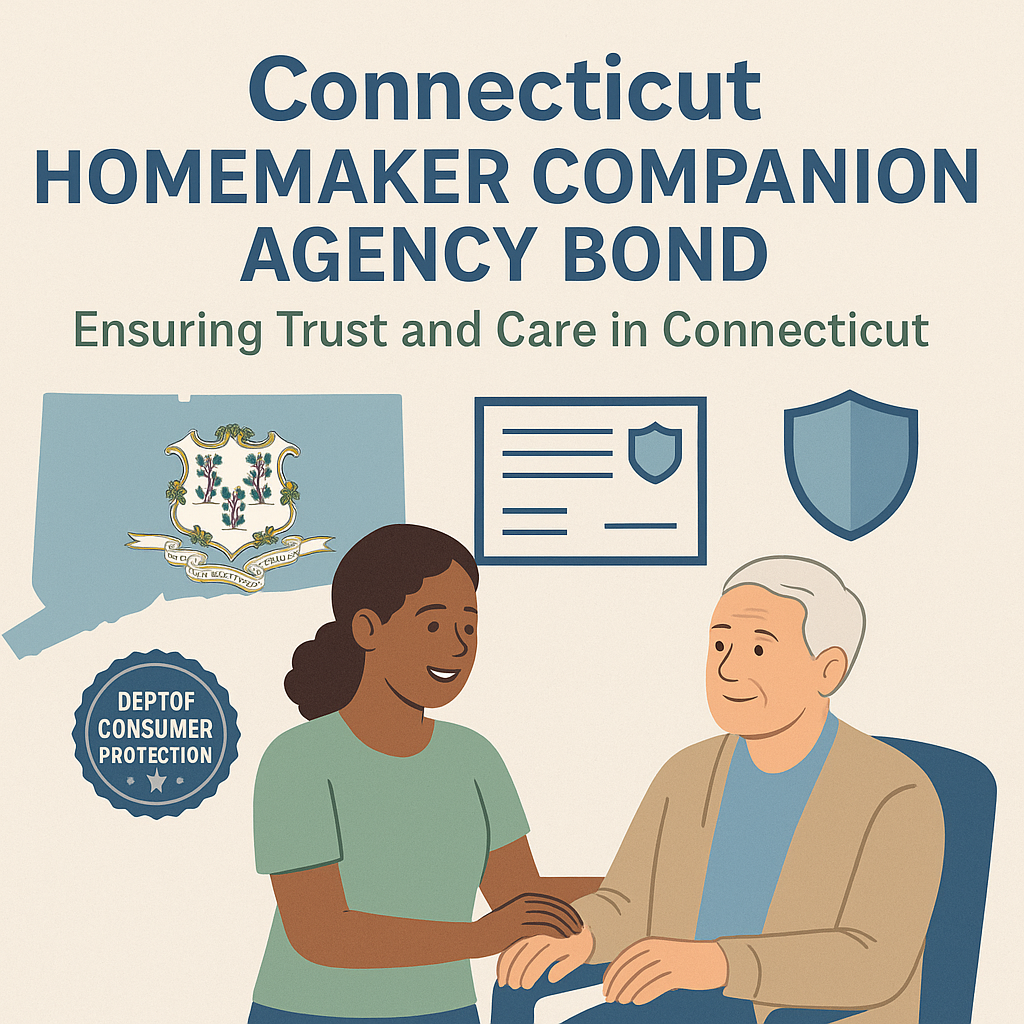
Have you ever stopped to think about the people who step into a loved one’s home to provide care, companionship, or a helping hand with daily chores? Trust is everything in those moments. If you’re looking to start or run a homemaker companion agency in Connecticut, you’ll quickly come across a specific requirement that’s all about protecting that trust. It’s called the Connecticut Homemaker Companion Agency Bond, and the state’s Department of Consumer Protection takes it seriously.
You might be wondering why you need a bond just to run an agency that connects caregivers with families. Or maybe you’re feeling overwhelmed by the paperwork and just want a clear, simple explanation. Don’t worry—we’re going to break it all down in plain English. By the time you finish reading, you’ll understand what this bond is, who needs it, how much it costs, and exactly how to get it. Let’s dive in.
What Is a Homemaker Companion Agency Bond, Anyway?
Let’s keep this really straightforward. A surety bond is a three-party agreement. Think of it like a safety net, not an insurance policy for your business. The three parties are:
- Principal: That’s you, the agency owner. You’re the one who has to buy the bond.
- Obligee: This is the Connecticut Department of Consumer Protection. They require the bond to make sure you follow the rules.
- Surety: The company that issues the bond and guarantees a certain amount of money will be available if something goes wrong.
So, the Connecticut Homemaker Companion Agency Bond acts like a promise. You’re promising the state that your agency will operate ethically, follow all applicable laws, and treat clients fairly. If you break that promise—say, through theft, fraud, or dishonest actions on the part of your caregivers—a claim can be made against the bond to reimburse the harmed party. Families get a financial safety net, and your agency stays accountable.
Who Needs This Bond in Connecticut?
Not every caregiver in the state needs a bond. The requirement kicks in for agencies that employ or place homemakers and companions into private homes. A homemaker companion agency is basically a business that sends workers into a person’s residence to help with things like light housekeeping, meal preparation, laundry, and companionship. These services are non-medical—meaning no nursing or therapy tasks—but they’re absolutely vital for the elderly, people with disabilities, or anyone needing a little extra support to stay independent.
If your agency matches these descriptions and you plan to operate in Connecticut, the Department of Consumer Protection will ask for that bond before you can get licensed. It’s a non-negotiable part of the application process. The bond ensures you’re playing by the same rules as every other agency out there, creating a fair marketplace and protecting vulnerable consumers.
Why Does the State Require This Bond?
You might catch yourself thinking, “Another government requirement?” But there’s a really good reason behind it. When you send someone into a private home, that person often gains access to a client’s belongings, money, medication, and personal information. The state wants to stop problems before they start—and give families a clear path to justice if something does go wrong.
The bond acts like a financial referee. If an agency fails to pay its employees properly, engages in deceptive advertising, or if a caregiver steals from a client, the bond can cover some of those losses. Without this protection, a grieving family would have to navigate a messy court battle with no guarantee of ever seeing their money again. The bond puts a concrete dollar amount behind your promise to do business the right way.
In short, the CT Department of Consumer Protection uses the bond requirement to proactively shield the public. It’s less about punishing agencies and more about building a system where honest businesses thrive and bad actors don’t slip through the cracks.
How Much Does the Bond Cost?
Let’s get to the numbers, because that’s probably what you’re most curious about. The state sets a required bond amount, often referred to as the penal sum. For Connecticut homemaker companion agencies, that amount is typically $10,000. However, you don’t pay $10,000 out of pocket. You pay a small percentage of that total, which is called the bond premium.
Your premium depends mainly on your personal credit score and financial history. Most agencies can expect to pay somewhere between $100 and $1,500 per year for their bond. If you have great credit, you might qualify for the lowest rates, sometimes as little as 1% of the bond amount. Someone with less-than-perfect credit might pay a higher percentage, but you’ll rarely pay the full bond amount upfront. It’s much more manageable than many first-time business owners assume.
Think of it like renting the bond’s coverage. You pay the surety company an annual fee, they take on the $10,000 risk, and you can get your agency license without tying up all your working capital.
What Factors Affect Your Bond Premium?
- Personal credit history: The surety company will do a soft credit pull. A strong score means a lower premium.
- Business financials: If your agency is already operating or you have experience in the industry, that can help.
- Industry experience: A track record of running a similar business successfully shows you’re a lower risk.
- The surety provider you choose: Different companies offer slightly different rates, so shopping around pays off.
How to Get Your Connecticut Homemaker Companion Agency Bond
Now for the good news—getting bonded is usually faster and easier than you think. You don’t need to drive to a government office or fill out stacks of complicated forms. Most agencies can provide the bond entirely online or over the phone. Here’s a simple step-by-step path you can follow.
- Find a reputable surety bond provider. Look for a company that specializes in license and permit bonds, not just insurance. They’ll understand the exact Connecticut Department of Consumer Protection form you need.
- Apply with basic business and personal information. You’ll typically need your Social Security number for the credit check, your agency’s legal name, address, and contact details.
- Get your quote. After a quick review, the surety will tell you your premium. If you accept, you pay the fee.
- Receive your bond form. The surety will send you the official bond document. Some providers can even email it to you within minutes.
- File the bond with the state. Submit the original signed bond document along with your license application. Don’t forget this step—an unfiled bond doesn’t satisfy the state’s requirement.
Once the bond is filed and your application is approved, you’re officially in business. You’ll need to renew the bond annually, so mark your calendar to avoid any lapses that could jeopardize your license.
Common Questions That Come Up
Let’s address a few things people often puzzle over. I get it—bonding can feel like a foreign language when you’re new to it.
Is a bond the same as insurance?
Not at all. Insurance protects your agency from things like property damage or lawsuits. The bond protects the public and the state. If a claim is paid out, you’re legally required to pay the surety company back every penny. So while it’s a form of consumer protection, you’re ultimately on the hook for any valid claims.
What happens if someone files a claim against my bond?
If a client or the state files a claim alleging your agency violated the law or caused financial harm, the surety will investigate. If the claim is valid, the surety pays the harmed party up to the $10,000 bond limit. But here’s the catch: you must reimburse the surety for the entire amount they paid out, plus legal costs in many cases. That’s why preventing claims through careful hiring, training, and oversight is so important.
Can I get bonded with bad credit?
Yes, it’s possible. Some surety companies work specifically with those who have credit challenges. Your premium will be higher, but you aren’t automatically disqualified. In a worst-case scenario, you can explore options like securing the bond with collateral or applying through a program designed for high-risk applicants. Don’t let credit worries stop you from moving forward.
Keeping Your Agency and Your Bond in Good Shape
Your bond isn’t just a one-time checkbox. It’s an ongoing reflection of your business’s integrity. To avoid claims and keep your premium low year after year, consider these practices:
- Screen your caregivers thoroughly. Background checks aren’t just a good idea—they’re a shield for your agency.
- Stay up to date on Connecticut laws. The Department of Consumer Protection can change rules. Subscribe to their updates or work with a professional association that tracks them for you.
- Keep clear records. Document every placement, every service agreement, and every financial transaction. Paper trails are your best friend if a dispute surfaces.
- Communicate openly with families. Sometimes issues arise from misunderstandings. A quick, honest conversation can prevent a formal complaint.
Running a homemaker companion agency is deeply rewarding work. You’re helping people maintain their dignity and independence in their own homes. The Connecticut Homemaker Companion Agency Bond simply ensures that your good intentions are backed by a real financial commitment. It tells families, “We take your trust seriously—so seriously that the state requires us to prove it.”
If you’re ready to get started, reach out to a surety bond expert who can walk you through the application. In most cases, you can be approved and holding your bond in hand within 24 hours. Then you can focus on what really matters: building a compassionate, trustworthy team that makes a difference every single day.