Trumbull, Connecticut is modernizing its aging sanitary sewer system with new connections and upgraded pipes to protect the environment and support growth. The project relies on sanitary sewer connection bonds, a surety guarantee ensuring contractors complete work correctly and providing financial protection for the town and property owners.
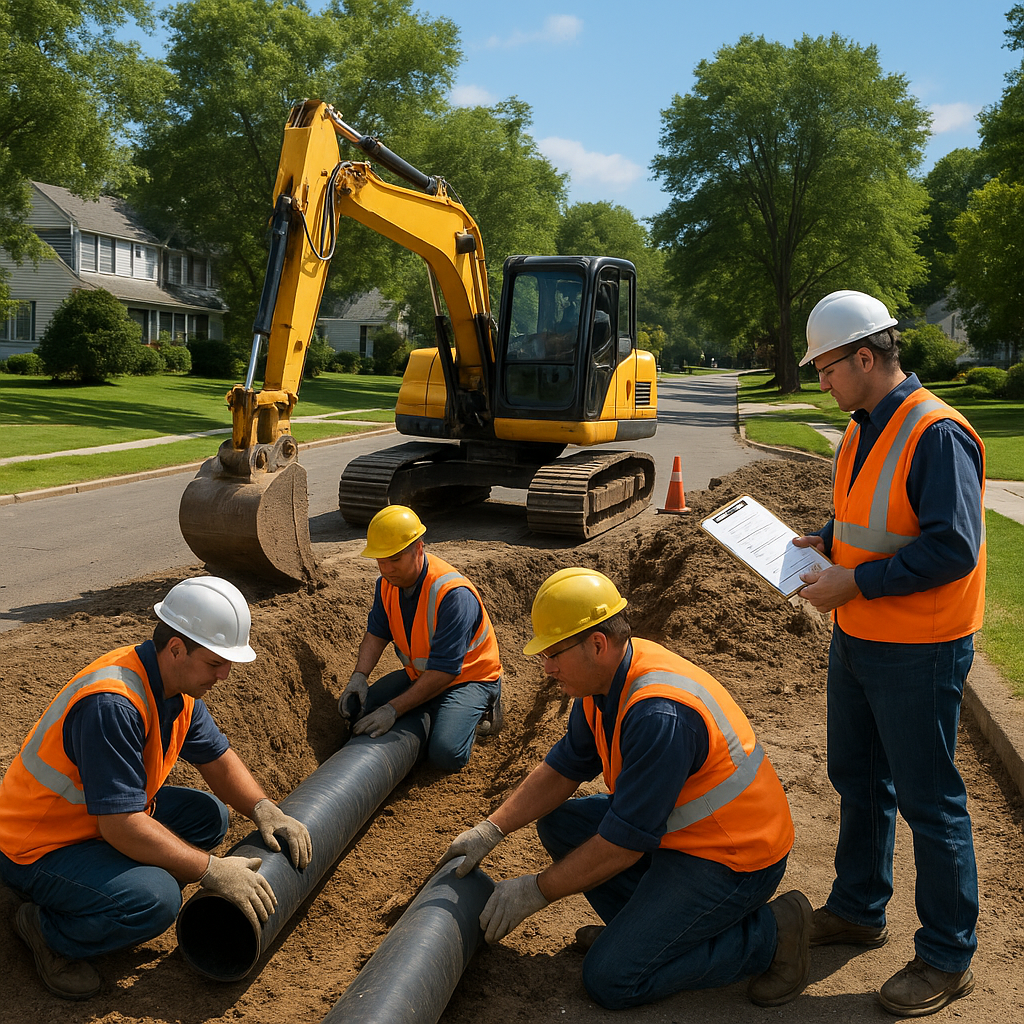
If you’ve been following local news in Trumbull, Connecticut, you might have heard whispers about a major push to upgrade the town’s sanitary sewer system. It sounds technical, maybe even a little dry at first glance. But behind the paperwork and the construction cones lies a story that touches every homeowner, every business, and every contractor who works underground. Today, we’re diving into what the Trumbull CT sanitary sewer connection project really means, why a special kind of insurance called a sanitary sewer connection bond is at the heart of it, and how this all adds up to a smarter, safer future for the community.
So, What’s Happening with Sewers in Trumbull, CT?
Trumbull, like many established New England towns, has infrastructure that has served families for decades. Pipes that were laid generations ago are now reaching the end of their natural lives. The town isn’t just patching up old lines; it’s strategically expanding and modernizing its sanitary sewer network. This means new connections for properties that still rely on outdated septic systems, and bigger, more reliable pipes in areas that are growing. Think of it as the circulatory system of a house getting a much-needed upgrade—you don’t see the pipes, but you notice when everything flows smoothly.
The goal isn’t just about preventing backups. It’s about protecting the environment, supporting economic development, and giving residents peace of mind. A well-functioning sewer system means cleaner local waterways, fewer foul odors on rainy days, and the ability for local businesses to expand without worrying about overloading old infrastructure. And the Town of Trumbull isn’t tackling this alone. They rely on qualified water and sewer contractors who bring the heavy machinery, the expertise, and the manpower to dig, connect, and restore.
The Unsung Hero: The Sanitary Sewer Connection Bond
Now, any time a contractor breaks ground on public or private property, there’s a certain level of risk. What if they damage the street and don’t repair it properly? What if the work doesn’t meet code and causes a leak six months later? That’s where a sanitary sewer connection bond comes in. It’s not as complicated as it sounds, I promise. Let’s break it down.
A sanitary sewer connection bond is a type of surety bond required by the Town of Trumbull for contractors performing sewer hookups. In plain English, it’s a three-party guarantee. The town asks the contractor to get this bond as a promise that the work will be done correctly, following all local regulations. If the contractor messes up or walks away without finishing the job, the town—and potentially the property owner—has a financial safety net. It’s like a security deposit you might put down when renting an apartment, but specifically designed to cover the cost of fixing any sewer-related mistakes.
Why does this matter to you? Because whenever a backhoe shows up on your street to connect your home to the public sewer, that bond is quietly sitting in the background, making sure things don’t go sideways at your expense. It’s the town’s way of saying, “We trust this contractor, but we’re also prepared for the unexpected.”
Compliance Only: What That Label Really Means
You might see the phrase “Compliance Only” attached to these bonds and wonder if that’s a downgrade. It’s not. In the world of surety bonds, “compliance only” means the bond is tailored entirely to make sure the contractor follows the town’s rules, end of story. It’s not a performance bond that guarantees the project will finish on time (though many contractors carry those too). Instead, it’s laser-focused on one thing: adherence to Trumbull’s sewer connection regulations. The contractor pledges to dig at the right depth, use approved materials, backfill correctly, and restore the pavement to the town’s standards. If they don’t, the bond can be used to hire someone else who will.
For the town, this simple tool streamlines oversight. For contractors, it’s a badge of professionalism. Getting bonded means the contractor has passed a financial and background check by a surety company. It signals they are legitimate, stable, and accountable. So when you see “Water and Sewer Contractor – Compliance Only” on a project, you know you’re dealing with a business that has been vetted.
Why Trumbull Is Prioritizing This Now
Town officials aren’t just thinking about today’s flush. They’re planning for the next 30, 40, or 50 years. Several forces are coming together to make this the perfect time for a sanitary sewer push. Let’s look at a few.
Aging Septics and Environmental Pressures
Many properties in Trumbull were built with septic systems that worked fine when the town was less developed. But as lot sizes shrink and water usage increases, those old systems can fail. A failing septic system doesn’t just smell bad—it can contaminate groundwater and nearby streams. Moving homes onto the municipal sewer system reduces that risk dramatically. It’s a public health win disguised as a construction project.
Economic Growth Hinges on Reliable Utilities
Picture a small restaurant looking to open on a busy Trumbull road. Without a sewer connection, it must either install a costly, large-capacity septic system or look elsewhere. By expanding sewer access, the town opens the door for more commercial development, which brings jobs and tax revenue. The bond requirement gives those business owners confidence that the new connection will be installed by a contractor who is held to a high standard.
Grant Funding and Smart Planning
Part of what makes this possible is that Trumbull has been proactive in securing state and federal grants. These funds offset the cost to homeowners and the town. However, with that funding comes strict accountability. The sanitary sewer connection bond is a perfect match here because it provides the kind of documentation and protection that funding agencies love to see. It’s a small administrative step that unlocks big dollars for the community.
What Does This Mean for Homeowners?
If you’re a homeowner whose property is now eligible for a sewer connection, you probably have a dozen questions. Let’s address some of the most common ones in a straightforward way.
- Is connecting to the public sewer mandatory? In many cases, once a sewer line is available, the town may require you to connect within a certain timeframe, especially if your septic system is failing or if you’re doing major renovations. Always check with Trumbull’s Water Pollution Control Authority (WPCA) for the specifics of your street.
- Who pays for the connection? Typically, the homeowner is responsible for the lateral line that runs from the house to the public main in the street. There may be low-interest loan programs or grants available to help. The cost of the contractor’s work includes the price of the bond, which is a tiny fraction of the total but gives you huge leverage if something goes wrong.
- How long does the work take, and what about my yard? A standard sewer hookup can often be completed in a few days. After the pipe is in place and inspected, the contractor must restore your lawn and any disturbed pavement. That restoration is exactly what the compliance bond covers—so you don’t have to chase down a contractor who left a muddy trench behind.
- How do I know if a contractor has a bond? Ask them. A reputable water and sewer contractor will be proud to show you their bonding capacity. You can also verify with the town’s building or engineering department. It’s a simple phone call that can save you months of headaches.
The Contractor’s Perspective: More Than Just Paperwork
Let’s step into the work boots of a local excavation contractor for a moment. To bid on Trumbull’s sewer projects, they need to secure this bond. It requires an application, a credit check, and sometimes collateral. It costs a small percentage of the total bond amount. So why do they bother? Because it opens doors. Being bonded separates the professionals from the fly-by-night operators. It tells the town and homeowners, “I have financial backing and I’m committed to doing this right the first time.”
In fact, many contractors appreciate the clarity that a compliance-only bond brings. They know exactly what the standard is. If a dispute arises about whether backfill was compacted properly, the bond company gets involved and pushes for a resolution. That can actually speed things up compared to a messy court fight. It’s a relationship built on trust, backed by a financial guarantee.
A Peek Behind the Curtain: How the Bond Process Works
Ever curious how this three-way promise actually plays out? Let’s walk through a hypothetical scenario. Say Joe’s Trenching gets a contract to connect a Trumbull home to the main sewer line. Joe has a $10,000 sanitary sewer connection bond in place. Midway through the job, an inspector notices the pipe slope is wrong, meaning waste won’t flow correctly. Joe tries to fix it but runs out of money and abandons the project.
Now the town steps in. They notify the surety company that issued the bond. The surety investigates and can do one of two things: pay the town a sum of money to hire another contractor to correct the work, or arrange for a different contractor themselves to finish the job. The homeowner doesn’t write a second check. The neighborhood doesn’t sit with an open trench for weeks. The bond makes everyone whole—or as close to it as possible—without years of litigation. That’s the power of requiring this small, often overlooked piece of paper.
The Bigger Picture: Trumbull’s Infrastructure Renaissance
The push for sanitary sewer connections isn’t happening in a vacuum. Trumbull has been steadily improving its roads, sidewalks, parks, and public buildings. Sewer lines might not be as visible as a new playground, but they’re just as vital. Clean water and sanitary waste disposal are cornerstones of modern life that we rarely think about until something goes wrong. By investing now, the town is aiming to keep those “something goes wrong” moments as rare as possible.
There’s a quiet ripple effect, too. House values tend to rise when a property moves from septic to sewer, because buyers see lower maintenance risk. Streets get repaved after the pipe work is done, leaving a fresh surface that was already due for an update. The environment gets a break, as treated wastewater is far cleaner than what might seep from an old septic tank. It’s one of those rare situations where doing the unglamorous thing makes everything better for everyone.
What You Should Do Right Now
If you live in Trumbull or are thinking of moving here, knowledge is your best tool. Is your street on the town’s sewer expansion map? A quick visit to the WPCA page on the Town of Trumbull website can give you that info. Are you planning a home renovation or addition? Now is the time to ask the building department if a sewer connection could be triggered. Waiting until the last minute can lead to rushed decisions and costlier work.
When you do talk to contractors, don’t be shy. Ask directly: “Do you carry a current sanitary sewer connection bond for Trumbull projects?” A “yes” without hesitation is a green flag. A vague answer or an attempt to change the subject is a red one. Remember, the bond exists for your protection every bit as much as the town’s. It’s your proof that the person wielding the backhoe has skin in the game.
Looking Ahead: A Model for Smart Growth
Trumbull’s approach—using targeted bonds, clear regulations, and proactive planning—might just become a blueprint for other towns in Connecticut and beyond. It balances the need to modernize with the financial realities of local government. It doesn’t burden homeowners with excessive risk. It rewards contractors who operate by the rules and pushes out those who cut corners. In a world where infrastructure talk often gets bogged down in politics and red tape, this project shows that practical, step-by-step progress is alive and well.
So the next time you drive past orange cones and a crew laying pipe on a Trumbull street, you’ll know what’s really happening. It’s not just a ditch getting dug. It’s a carefully orchestrated effort, backed by bonds and standards, to make sure that decades from now, your morning shower, your laundry, and your dinner prep all flow away smoothly and safely. That’s something worth digging into.
Have questions about the sewer connection process in your neighborhood? Feel free to reach out to the Trumbull Water Pollution Control Authority. They’re there to help you navigate the requirements, understand the bonds, and connect you with the right professionals. After all, the best infrastructure projects are the ones that bring a community together—underground and above.