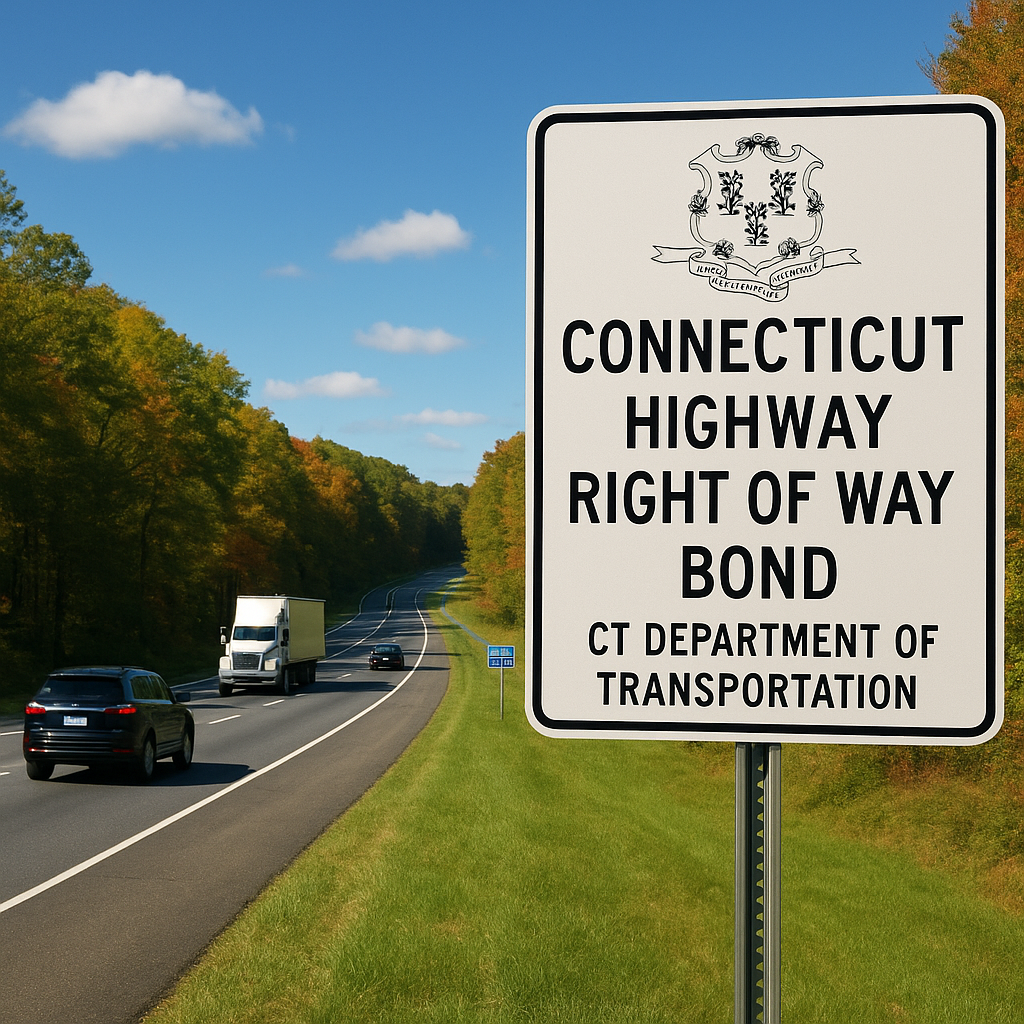
bookmark_borderConnecticut Highway Development Boosted by Right of Way Bond

Imagine you’re driving through Connecticut, enjoying a freshly paved highway, when you notice new lanes and smoother interchanges. You might wonder: who makes sure these massive road projects happen on time and without leaving taxpayers in a lurch? Behind the scenes, a little-known tool called a Right of Way Bond plays a big role. If you’re curious about how highways get built, or if you’re a contractor looking to work with the state, understanding this bond is key. Let’s unpack the topic in a way that’s easy to grasp.

What Exactly Is a Right of Way Bond?

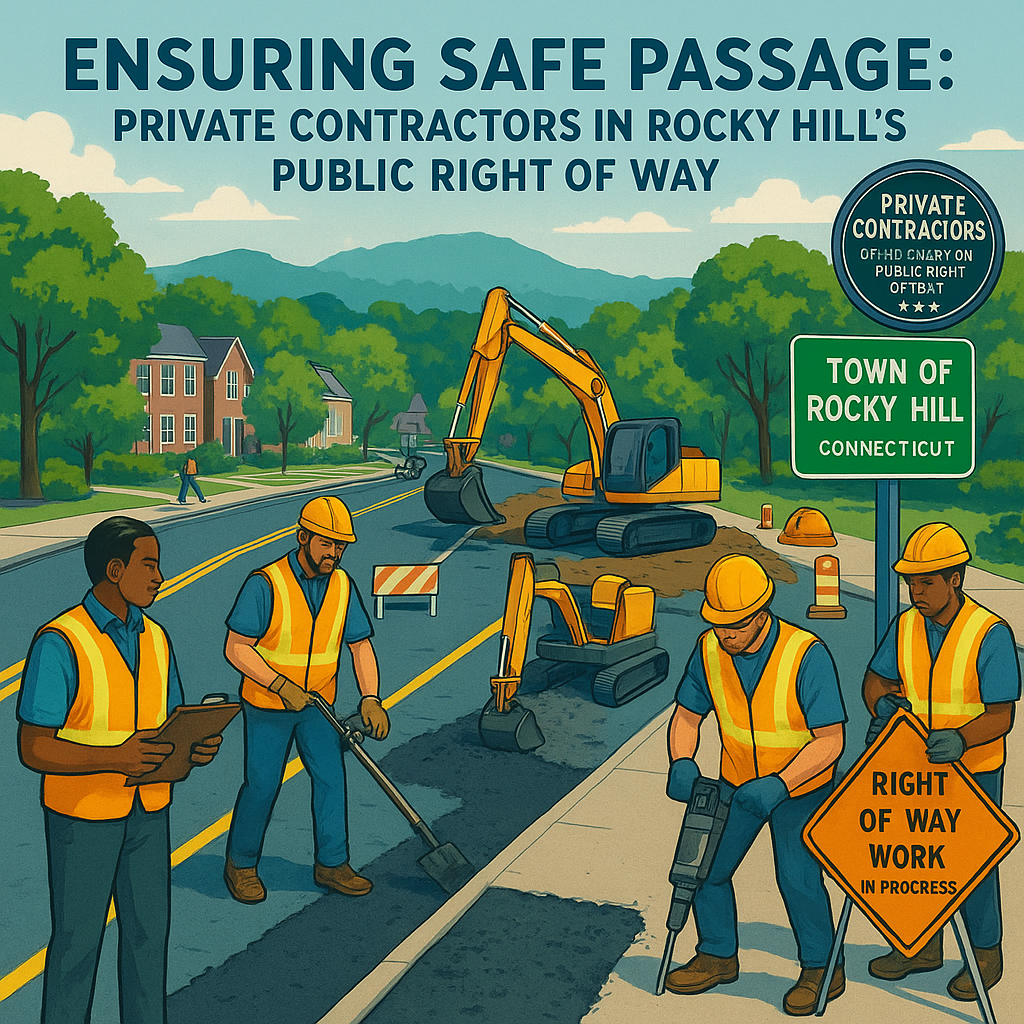
Think of a Right of Way Bond as a safety net. It’s a type of surety bond required by the Connecticut Department of Transportation (CT DOT) for certain highway projects. Whenever a contractor works on a project that involves acquiring or temporarily disturbing land along a public right of way—like expanding a roadway or installing utilities—this bond guarantees that the contractor will follow all the rules and restore the property as promised.

In simple terms, it’s a three-party promise. The contractor (the principal) promises the state (the obligee) that they’ll do the job correctly. A surety company backs that promise with a financial guarantee. If the contractor fails to meet the requirements, the bond covers the costs to make things right. No complicated legal jargon needed.

Why the CT Department of Transportation Requires This Bond

Connecticut is constantly maintaining and improving its transportation network. From the bustling I-95 corridor to scenic Route 7, these projects often touch private property or environmentally sensitive land. The CT DOT needs to ensure that any disruption—whether it’s removing trees, grading soil, or relocating a fence—is handled responsibly. The Right of Way Bond holds contractors accountable.

Imagine a contractor accidentally damages a homeowner’s driveway while working on a highway expansion. Without a bond, the homeowner might have to chase the contractor for repairs, or the state might foot the bill. With a bond in place, there’s a clear path to getting the driveway fixed without a headache. That’s the kind of everyday protection this bond provides.

How This Bond Boosts Highway Development

At first glance, a bond might seem like just another bureaucratic hoop to jump through. But it actually accelerates development in several ways:

  • It builds trust. When the state knows a contractor is bonded, they’re more confident moving forward with a project. It’s like a landlord checking a renter’s credit score—it signals reliability.
  • It keeps projects on schedule. Bonds are tied to strict deadlines. If delays happen due to non-compliance, the surety company may step in to get things back on track.
  • It protects public funds. Connecticut taxpayers aren’t left covering preventable mistakes. That means more money stays available for future highway improvements.
  • It encourages better planning. Contractors who know they’re bonded tend to be more meticulous about permits, land restoration, and safety protocols.

All these factors combine to create a smoother, faster process for expanding and upgrading Connecticut’s highways. It’s a behind-the-scenes booster that keeps concrete being poured and lanes being opened.

The Human Side: A Quick Story

Let’s put a face to this. Meet Maria, a small-business owner who runs an excavation company in Hartford. Last year, she won a contract to prepare a right of way for a new exit ramp on I-84. Part of the deal meant obtaining a Connecticut Highway MTG Right of Way Bond. At first, Maria felt overwhelmed by the paperwork. But her insurance agent explained it was like a promise letter backed by a bigger company. Once she secured the bond, the state approved her work faster, and her crew got started without delays. When a sudden rainstorm washed out a section of topsoil they were supposed to preserve, the bond helped cover the cost of re-stabilizing the slope. Maria finished the job on time, and the state now considers her a preferred contractor. That’s the real-world win a bond creates.

Who Needs This Bond in Connecticut?

Not every contractor working near a road needs this bond. It’s specifically tied to projects where the CT DOT grants a right of way permit and where the work might disturb public or adjacent private land. Typical candidates include:

  • Highway construction and expansion firms
  • Utility companies installing lines along state highways
  • Landscaping and erosion control contractors working on state road projects
  • Demolition crews clearing structures near a right of way

If you’re unsure, the easiest step is to check the bid documents or ask the CT DOT’s right-of-way office. They’ll tell you if the bond is a requirement for your specific project.

What Does the Bond Cover, Really?

It’s not just about fixing damaged lawns. A Right of Way Bond can cover a wide range of obligations, including:

  • Restoring pavement, sidewalks, and curbs to original condition
  • Replacing or repairing utilities accidentally cut during excavation
  • Complying with environmental protection measures, like silt fencing or wetland preservation
  • Removing temporary access roads after construction ends
  • Settling disputes if a property owner claims damage caused by the work

Think of it like an all-in-one insurance policy that specifically guards the public’s interest. It doesn’t protect the contractor from their own losses (that’s what general liability insurance is for), but it does ensure the community’s land and infrastructure aren’t left worse off.

How Much Does a Right of Way Bond Cost?

This is the part that surprises many people. You don’t need to pay the full bond amount upfront. The bond’s value—often set by the CT DOT based on the project’s scale—might be $50,000, $100,000, or more. But contractors typically pay only a small percentage, called the premium, which is usually 1% to 3% of the bond amount. Your exact rate depends on your credit score, business financials, and experience. A well-established company with solid finances might pay $1,000 for a $100,000 bond. That’s a small price for the credibility and protection it provides.

The Link Between Bonds and Connecticut’s Infrastructure Future

Infrastructure is a hot topic. Connecticut has ambitious plans to modernize bridges, reduce traffic congestion, and improve safety. These projects move faster when the contracting process is streamlined and trustworthy. The Right of Way Bond is part of that streamlining effort. By filtering out underprepared contractors and safeguarding public land, it acts as a gatekeeper that actually speeds things along.

Have you ever wondered why some states seem to finish roadwork faster than others? It’s often because their bonding requirements create a more predictable environment. When everyone knows the rules and the consequences for breaking them are clear, the whole system runs more smoothly.

Common Questions People Ask

Can I get this bond with bad credit?

Yes, but your premium will be higher. Surety companies specialize in high-risk bonds, so don’t assume you’re disqualified. Working with a knowledgeable bond agency can help you explore options, even if your credit isn’t perfect.

What happens if a claim is made against my bond?

The surety company will investigate. If the claim is valid, they’ll pay up to the bond’s limit to resolve the issue. But remember: the bond is a guarantee, not insurance for the contractor. You’ll need to repay the surety for any payouts, so it’s in your best interest to do the job right from the start.

Is this the same as a performance bond?

Not exactly. A performance bond covers the overall completion of a construction project. A Right of Way Bond is narrower—it focuses specifically on the right of way area and the obligation to restore it. Many highway projects may require both.

Making the Process Less Intimidating

We get it. Bonds can sound like a foreign language. But applying for one doesn’t have to be a headache. Most agencies let you start online. You’ll typically need to provide basic business information, the project details, and your financials. Within a few days, you can have the bond in hand and be ready to break ground. If you’re new to this, talk to a bond specialist who knows Connecticut’s requirements inside and out. They can translate the legalese into plain English and help you avoid pitfalls.

The Bottom Line

Next time you zip along a freshly widened highway in Connecticut, give a nod to the quiet powerhouse behind it: the Right of Way Bond. It protects property owners, holds contractors accountable, and gives the state the confidence to keep building. Whether you’re a contractor looking to grow your business or a curious taxpayer, knowing how this tool works helps you see the bigger picture of infrastructure progress. It’s a small piece of the puzzle that makes a big difference—and that’s something worth understanding.
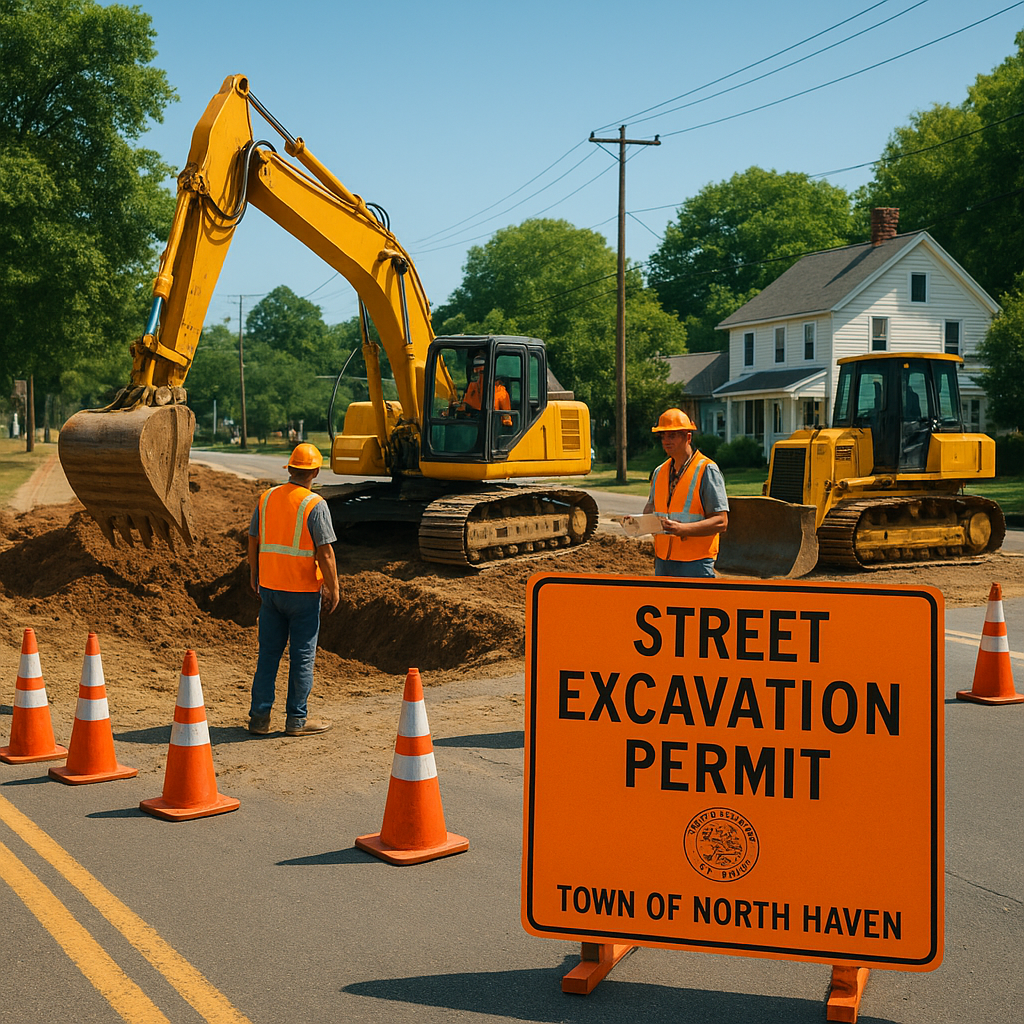
bookmark_borderUnderstanding North Haven Excavation Permit and Bond Requirements

Have you ever needed to dig into the ground near a public road—maybe to fix a water line, install a new sewer connection, or run underground utilities? If your project takes place in North Haven, Connecticut, there is one thing you absolutely cannot skip: understanding the local excavation permit and bond rules. They might sound like confusing paperwork at first, but they are really just a smart safety net for everyone involved. Let’s walk through what you need to know, in simple, everyday language.

What Exactly Is an Excavation Permit in North Haven?

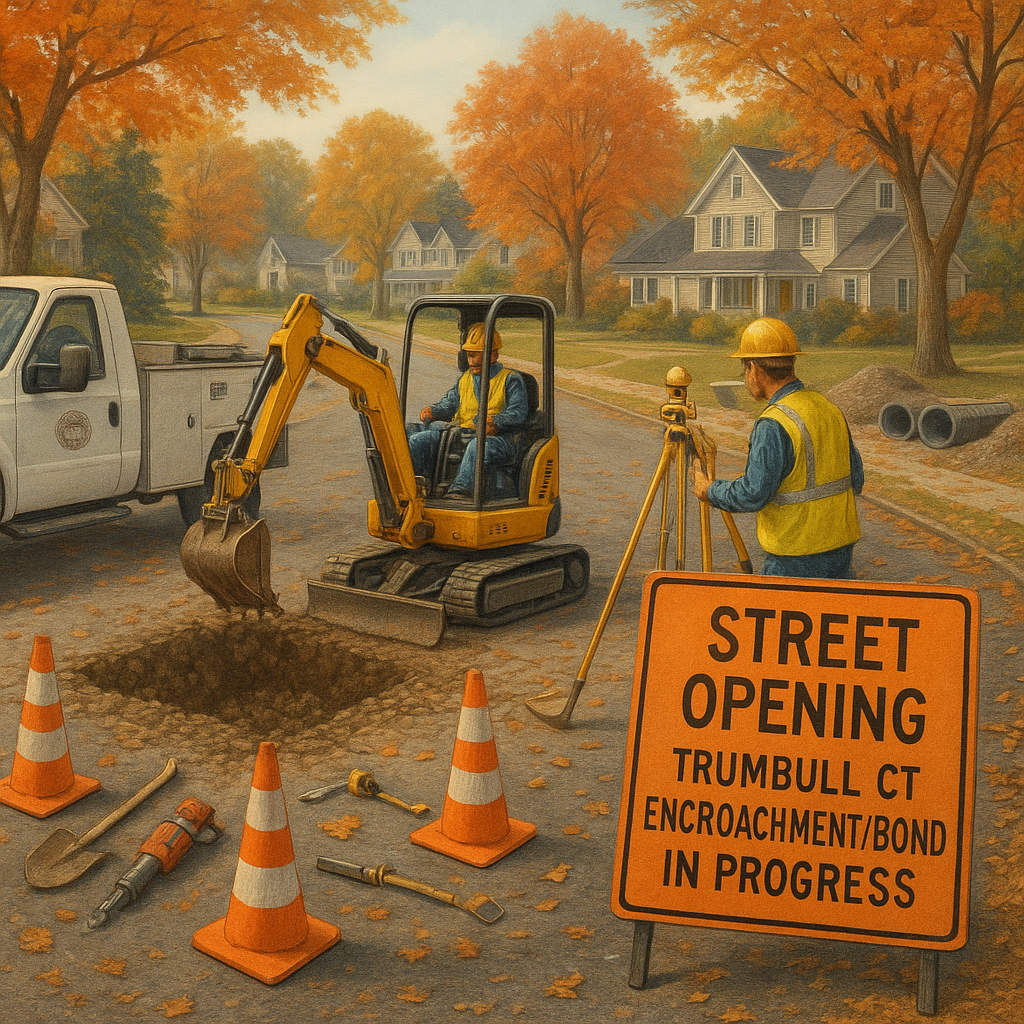
Whenever you, or a contractor you hire, plan to open up the ground, cut into the pavement, or dig a trench within a town right-of-way, you need permission from the town. That permission comes in the form of an excavation permit—sometimes called a street opening permit. North Haven’s Highway Department (or sometimes the Public Works Department) issues these permits to make sure that any work done on public streets, sidewalks, or shoulders is safe and properly restored afterward.

Think of the permit as a formal “green light.” It tells the town: “Yes, you are allowed to dig here.” But it also creates a record. The town knows exactly who is working where, how long the project should last, and what the area should look like when the job is done. Without this permit, you could face fines, project delays, or even an order to stop work entirely.

Why Does a Bond Enter the Picture?

Now, this is where many people get a bit confused. Along with the permit, North Haven typically requires something called an excavation bond. But don’t let the word “bond” scare you. In the simplest terms, an excavation bond is a financial guarantee—a promise that the work will be completed correctly and that the street will be restored to the town’s standards.

Picture it like a security deposit when you rent an apartment. The landlord holds that money just in case you damage the property. If you leave the place in great shape, you get your deposit back. Similarly, North Haven holds a bond to cover any potential damage or incomplete restoration. If everything is fixed up nicely and passes inspection, the bond is released. It’s a protection for the town and its residents, not a penalty.

The Real-World Purpose of a North Haven CT Highway Excavation Bond

When you dig up a road or sidewalk, things don’t always go perfectly. Perhaps a patch sinks after a few months, or the asphalt wasn’t compacted correctly. If the contractor walks away without fixing it, the town would have to use taxpayer money to make the repair. The bond prevents that. It ensures the town has funds set aside to step in and finish the job properly if the permit holder doesn’t hold up their end of the bargain.

For you as a property owner or contractor, having a bond shows the town that you are serious and responsible. It builds trust. Plus, it speeds up the permit approval because the town knows the financial risk is covered.

Who Needs a Highway Excavation Bond in North Haven?

This isn’t limited to huge construction companies. If you’re a homeowner hiring someone to connect to the main sewer line, or a utility company upgrading gas pipes, or a local plumber running a new water service—anyone performing an excavation within the town right-of-way will likely need both a permit and a bond. Some minor work might qualify for a reduced bond amount, but you should always check with the town’s Highway Department. Never assume your project is too small to matter.

How Does the Process Work? Step by Step

Let’s break down the typical journey from “I need to dig” to “the job is complete and the bond is released.” Keep in mind that procedures can change slightly, so a quick call to the North Haven Highway Department is always a smart move.

1. Plan Your Project and Gather Details

Before you even touch an application form, know exactly where you will excavate, how deep, for what purpose, and how traffic might be affected. Town officials will want to see a sketch or site plan. Think about safety measures like cones, signs, and steel plates that might be needed. The more information you provide upfront, the smoother the process goes.

2. Submit the Excavation Permit Application

Visit the North Haven town offices or their website to get the proper application. Fill it out completely. This usually includes your contact information, the contractor’s details, the location of the dig, the estimated start and end dates, and a description of the work. You might need to pay a non-refundable application fee at this stage, which is separate from the bond.

3. Provide the Required Excavation Bond

Here is where the North Haven CT highway excavation bond comes in. The town will tell you the bond amount required. This amount is often calculated based on the size and impact of the excavation—more extensive opening of a main road means a higher bond. You have a couple of typical options to secure this bond:

  • Surety bond from an insurance company or bonding agency: You pay a small percentage of the total bond amount (like a premium) and the company issues the bond. This is common for larger contractors.
  • Cash bond or certified check: You deposit the full amount with the town. It’s simpler but ties up your money until the project passes final inspection.

Ask the Highway Department which forms they accept. Many towns prefer a surety bond because it’s professionally managed, but cash bonds are often allowed for smaller jobs.

4. Wait for Approval and Permits to Be Issued

Once the application is complete and the bond is verified, the town reviews your plans. They may inspect the site beforehand. If everything looks good, they issue the excavation permit. You may receive a physical permit card that should be kept on-site. Don’t start digging until you have this in hand.

5. Perform the Work Safely and Carefully

Now the actual digging begins. Remember, the permit comes with rules. You must follow North Haven’s specifications for trench safety, backfilling, and temporary pavement patches. You also need to call CBYD (Call Before You Dig) at 811 well in advance, so underground utilities are marked. This step isn’t just good practice—it’s the law.

6. Restore, Get Inspected, and Release the Bond

After the excavation, you must restore the road, curb, or sidewalk to the town’s standards. This usually means a temporary patch first, then a permanent restoration after the ground settles. A town inspector will visit to check the work. If it passes, the bond is released—either the cash is returned or the surety bond is exonerated. If repairs are needed, the town will tell you what to fix. Only when everything is right does the obligation end.

How Much Does an Excavation Bond Cost in North Haven?

The bond amount varies. For a small residential tie-in, you might be looking at a few thousand dollars. For a major utility project cutting across a busy intersection, the bond could be significantly higher. If you’re using a surety bond, you won’t pay the full amount out of pocket. Instead, you pay a premium—often between 1% and 3% of the total bond value, depending on your credit and the bonding company’s rates. So a $5,000 bond might only cost you $50 to $150 in premium. That’s a small price for a big peace of mind.

Always confirm the current fee and bond schedule with North Haven. Costs can be updated annually, and you don’t want any surprises after you’ve started planning.

Common Pitfalls and How to Avoid Them

Nobody wants to make a mistake that holds up their project. Here are some frequent missteps and simple ways to steer clear of them:

  • Not starting with a call to 811: Digging without marking utilities is dangerous and can lead to massive fines. Call before you dig, always.
  • Underestimating the restoration standards: North Haven has specific rules for asphalt thickness, concrete mix, and compaction. Read the town’s excavation regulations. A quick patch that fails in six months will mean you’re still on the hook.
  • Forgetting to extend the permit if delays happen: Most permits have an expiration date. If weather or other problems slow you down, request an extension before the permit expires. Working with an expired permit is treated as if you had no permit at all.
  • Assuming the bond is the only cost: On top of the bond premium, there might be inspection fees, permit fees, and traffic control costs. Budget for the whole picture.
  • Skipping the final inspection: Even if the work looks perfect, you must officially close out the project with the town. Otherwise your bond money could stay tied up indefinitely.

What Happens If You Don’t Get a Permit or Bond?

Digging without a permit might seem like a shortcut, but it can derail your entire project. North Haven can issue a stop-work order, which means all activity must pause. You might face fines that grow daily. Worse, if you damage a road or cause an accident due to unpermitted work, you could be held personally liable for injuries or repairs. The bond and permit are there to protect you just as much as they protect the town. Skipping them simply isn’t worth the risk.

Frequently Asked Questions

Can a homeowner pull their own excavation permit in North Haven?

Yes, in many cases a homeowner doing work on their own property can obtain the permit and bond. However, some towns require a licensed and insured contractor for work within the right-of-way. Check with the Highway Department. If you can pull it yourself, you still need to meet all safety and restoration standards.

How long does a bond stay active?

The bond typically remains in effect until the final restoration is inspected and approved, which could be several months after the initial dig. A permanent paving patch often has a waiting period to allow for settling. Your permit documents will explain the timeline. Once you get the green light, the bond is released quickly.

Is the North Haven excavation bond the same as a contractor license bond?

No, they are different. A contractor license bond guarantees that the contractor follows industry laws and codes in general. The excavation bond is tied to a specific project and specific location. You may need both, depending on your situation.

I’m only digging on my private driveway apron. Do I still need a permit?

If the work touches the town right-of-way—which driveway aprons often do—you likely need a permit. Even if the majority of the work is on private land, the connection point to the street frequently falls under town jurisdiction. Always ask before assuming it’s exempt.

Wrapping It All Up

Navigating the North Haven excavation permit and bond requirements doesn’t have to be a headache. At its heart, the system is designed to keep streets safe, prevent unexpected repair bills for the community, and make sure every contractor—big or small—leaves the public way in excellent condition. Whether you’re a first-time homeowner with a broken sewer line or a seasoned excavating crew tackling a commercial project, approaching the process with preparation and respect for the rules will save you time, money, and a whole lot of stress.

Still have questions? The best resource is the North Haven Highway Department. They can give you the most up-to-date forms, bond amounts, and advice for your specific project. A friendly phone call today can prevent a costly misstep tomorrow. Good luck with your excavation, and dig safe!

bookmark_borderUnderstanding the Importance of Connecticut Fundraising Counsel and Solicitor Bonds

Have you ever donated to a charity and wondered exactly where your money was going? Or maybe you run a nonprofit and are thinking about bringing in outside help to boost your fundraising efforts. In either case, you are not alone. That little voice in your head asking “Can I trust this process?” is exactly why the state of Connecticut requires something called a fundraising counsel or paid solicitor bond.

It might sound like a mouthful, but in simple terms, these bonds are a promise. They are a safety net that protects both donors and charities from mishandled funds or unethical behavior. Let’s unpack this step by step so you can feel confident, whether you are getting bonded yourself or just want to be an informed supporter of a cause.

What Is a Connecticut Fundraising Counsel or Paid Solicitor Bond?

Think of a surety bond as a three-party guarantee. There is the professional who needs the bond (you), the state requiring it (the obligee), and the surety company backing the bond (the financial muscle). If something goes wrong—like a solicitor takes donations but never sends them to the charity—the bond can be used to make things right financially.

A Connecticut fundraising counsel bond or paid solicitor bond is required by the state’s Department of Consumer Protection. It proves that the professional fundraiser is playing by the rules. It’s not insurance for the person who buys it, though. Instead, it protects the public and the charitable organizations that hire these services. If a valid claim is made, the surety will pay up to the bond amount, and then the bonded professional has to pay the surety back. Every single penny.

The Key Difference: Fundraising Counsel vs. Paid Solicitor

Before you run off to get bonded, it’s helpful to know which category you fall into. In Connecticut, the law draws a clear line between a “fundraising counsel” and a “paid solicitor.”

Who Is a Fundraising Counsel?

A fundraising counsel is more of a behind-the-scenes strategist. They consult, plan, and advise a charitable organization on how to run a campaign. They do not directly handle donations or personally ask people for money. Think of them as the architect drawing up the blueprints. They might help you design a mailer or map out a social media campaign, but they never touch a single donor’s check.

Who Is a Paid Solicitor?

A paid solicitor is the person or company that actually goes out and asks for contributions on behalf of a charity. They handle the money, manage the fundraising events, and often have direct access to donor funds. They are the construction crew building the house from the architect’s plan. Because they are in a position of higher financial responsibility—collecting and holding cash—the bond requirements and regulations for paid solicitors are typically stricter.

Both roles need to register with the state and secure a bond, but the bond amount can vary based on the role and the scale of the work they do.

Who Needs These Bonds in Connecticut?

If you plan to perform any professional fundraising services in the state for compensation, it’s very likely you need a bond. This applies to out-of-state consultants and solicitors too. If you are working with a Connecticut-based charity, you must comply with Connecticut’s charitable solicitation laws. The state wants to know who is asking its residents for money and ensure there is a layer of financial accountability.

To make it practical, if you are a marketing agency that wants to branch out and offer donor mailing services for a local animal shelter, even if you never physically collect cash, you might still need a fundraising counsel bond. On the other hand, if you are hired to run a telemarketing campaign where you accept credit card donations over the phone, you are almost certainly a paid solicitor and need the appropriate bond and registration.

Why Does Connecticut Require This Bond?

It all comes down to trust. Charitable giving relies on the goodwill of everyday people. When someone hands over $50 to fight hunger or support a school, they assume that money will be used exactly as promised. Unfortunately, history has shown that not everyone acts with integrity. A few bad actors can ruin it for everyone.

The bond is the state’s way of saying, “We’ve got your back.” It ensures that professional fundraisers follow the Connecticut Solicitation of Charitable Funds Act. If a paid solicitor fails to deposit donations correctly, misrepresents where funds are going, or—worst of all—simply vanishes with the money, the bond provides a path for financial recovery. It holds professionals accountable. For honest fundraisers, having a bond in place actually becomes a badge of reliability. It shows a charity that you are vetted, compliant, and serious.

How Do You Get a Connecticut Fundraising Solicitor Bond?

The process is a lot easier than you might think. It’s not like taking a difficult exam. You work with a surety bond agency that specializes in these commercial bonds. Here’s a look at the typical journey:

  • Complete a simple application. You provide basic information about your business and your personal credit history. The surety company needs to know who they are backing.
  • Get a quick quote. For many applicants with good credit, the premium (the price you pay for the bond) can be issued almost instantly. The underwriter evaluates the risk.
  • Pay the premium and receive your bond form. This is not the full bond amount. You are only paying a small percentage. We’ll cover costs in a moment.
  • File the bond with the Connecticut Department of Consumer Protection. Usually, you will need to submit the original bond form along with your charitable organization registration or fundraiser application. Your bond agency can often help guide you on exactly where to send it.

The whole thing can often be handled within a single business day, which means you don’t have to put your campaign plans on hold for weeks.

How Much Does a Connecticut Fundraising Bond Cost?

This is the question on everyone’s mind. The bond amount required by the state is set by the Department of Consumer Protection and is often based on the total contributions received. It could be a $20,000 bond, a $50,000 bond, or more, depending on your contract and fundraising history.

However, you do not need to pay that full amount. You pay a premium, which is a small fraction of the total bond. If you have strong credit, you might pay just 1% to 3% of the bond amount annually. So for a $20,000 bond, your yearly cost could be somewhere between $200 and $600.

Even if your credit is a little bruised, there are still options. Some surety companies work with less-than-perfect credit and might charge a slightly higher rate. The peace of mind and legal compliance it gives you are well worth that small investment.

What Happens If You Operate Without a Bond?

Operating without the required bond is risky business. The state can issue fines, cease and desist orders, and revoke your registration. Charities that knowingly work with an unbonded paid solicitor also face penalties. Beyond the legal headache, your reputation takes a hit. A news story about an unlicensed fundraiser can damage a charity’s brand forever. Donors are savvier these days—many check whether a fundraiser is registered before writing a check. Flying under the radar simply is not worth it.

Building Donor Confidence, One Bond at a Time

Let’s step away from the paperwork for a moment and think about the human side of giving. Imagine a family choosing to donate part of their holiday budget to a local food bank. They are making a small sacrifice because they believe in the mission. Now imagine that same family finding out the fundraiser who collected that money kept an 85% commission and sent a mere 15% to the actual cause. That sting of betrayal is what a Connecticut paid solicitor bond helps prevent.

For charities, requiring your hired fundraiser to be bonded is a fantastic screening tool. It tells you they have been vetted by a surety company and can be held accountable. It’s a filter that helps you find partners who are professional and ethical.

Common Questions About CT Solicitor Bonds

Does a small, all-volunteer charity need this bond?

The bond requirement is for professional fundraising counsel and paid solicitors. If your organization’s own board members and volunteers do all the fundraising, and they are not compensated specifically for that work, you likely do not need a professional fundraiser bond. However, if you hire an outside company to run a campaign, that outside company must be bonded.

Is the bond the same as a registration fee?

No. The bond is a financial guarantee, separate from any registration fees you pay to the Connecticut Department of Consumer Protection. You will typically pay both as part of your compliance costs.

Can a bond be cancelled?

Yes, but the surety company usually has to give written notice to the state beforehand, often 30 days. If your bond gets cancelled, your license to solicit can be suspended. It’s crucial to keep your bond active and premium paid.

A Final Word on Peace of Mind

The world of charitable giving runs on empathy, hope, and hard work. A Connecticut fundraising counsel bond or paid solicitor bond is simply the tool that keeps that world safe and honest. It removes the worry about what happens if something goes wrong, allowing everyone to focus on what really matters: making a positive impact.

Whether you are a consultant helping a charity tell its story or a large call center collecting donations, getting bonded shows that you stand behind your work. It transforms you from just another vendor into a trusted partner. And in a world where every dollar counts, that trust is the most valuable currency of all.

bookmark_borderUnderstanding Vernon CT Permit Bonds for Right of Way Projects

If you’re a contractor, landscaper, or utility crew working in Vernon, Connecticut, you’ve probably heard someone mention a “right of way permit bond.” It might sound like just another piece of paperwork, but it’s actually a pretty simple idea. Think of it as a financial promise you make to the town that your work will be done safely, correctly, and without leaving a mess behind.

In this post, we’ll break down everything you need to know about Vernon CT permit bonds for right of way projects. No confusing jargon—just straightforward answers to your questions. By the time you finish reading, you’ll know exactly what these bonds are, why they exist, and how to get one without breaking a sweat.

What Exactly Is a Right of Way Permit Bond?

Let’s start with the basics. A right of way is the strip of land that the town owns along roads, sidewalks, and sometimes utility easements. Whenever you want to dig, pave, plant, or install something in that area, you typically need a permit from the Town of Vernon. The town uses a permit bond as an extra layer of protection.

A right of way permit bond is a type of surety bond. Unlike insurance, which protects you and your business, a surety bond protects the town and its residents. It guarantees that you’ll follow all local rules, complete the job properly, and restore any public property you disturbed. If something goes wrong—say you leave an unsafe trench or damage a road—the town can use the bond money to fix the problem.

How the Three-Party Bond Works

Surety bonds involve three sides, and it helps to know who’s who:

  • The Principal: That’s you—the contractor or business owner who needs the permit.
  • The Obligee: The Town of Vernon. They require the bond and are protected by it.
  • The Surety: The company that issues the bond and backs your promise financially.

If you do everything by the book, the bond just sits there quietly. If a claim is filed and it’s valid, the surety pays the town up to the bond amount, but then you’re responsible for paying the surety back. So the bond isn’t a license to cut corners—it’s encouragement to get the job done right the first time.

Why the Town of Vernon Requires These Bonds

You might wonder, “Why can’t I just promise to follow the rules?” That’s a fair question. The truth is, promises are hard to enforce, and repairing public property can be expensive. The Town of Vernon wants to keep streets safe, sidewalks clean, and drainage systems working. If a contractor accidentally damages a water line or doesn’t compact the soil properly before repaving, residents feel the impact—literally, as potholes appear.

A permit bond shifts the financial risk away from taxpayers. It ensures that even if a contractor disappears or goes out of business, money is available to restore the right of way. That peace of mind is the core reason Vernon, like many Connecticut municipalities, makes bonds part of the permitting process.

Real-World Examples That Hit Close to Home

Picture this: a utility company opens up a section of sidewalk to lay new fiber optic cable. They finish the job, throw some temporary asphalt down, and promise to return for permanent repairs. Weeks pass, the patch sinks, and someone trips. Without a bond in place, the town might be stuck covering the repair bill. With a bond, the town can call on those funds to hire another crew and fix the hazard quickly.

Or imagine a landscaper installing an irrigation system and accidentally cutting through a street tree’s roots, causing the tree to die. The bond helps cover the cost of removing the dead tree and planting a new one. The idea is simple: public spaces stay public, and someone else’s mistake shouldn’t empty the town’s maintenance budget.

Who Needs a Vernon CT Permit Bond?

Not every project requires a bond, but many do. Typically, you’ll need a right of way permit bond if your work involves any of the following within the town’s right of way:

  • Excavating for utility lines (gas, water, sewer, electric, telecom)
  • Installing or repairing driveways that connect to a public road
  • Sidewalk construction, replacement, or widening
  • Landscaping that alters drainage patterns or digs near curbs
  • Erecting overhead lines, poles, or signs
  • Patching or cutting into street pavement for any reason

If you’re unsure, the easiest step is to call the Town of Vernon’s engineering or public works department. They’ll review your project scope and tell you whether a bond is required, and what amount that bond needs to be. Bond amounts often vary based on the size and nature of the disruption—a small curb repair might need a $5,000 bond, while a major excavation could require $25,000 or more.

How Much Does a Vernon Permit Bond Cost?

Here’s a pleasant surprise: you don’t have to fork over the full bond amount out of pocket. Surety bonds work more like a line of credit. You pay a small percentage of the total bond amount as a premium. For most contractors with decent credit, that premium ranges from 1% to 5% of the bond value.

So, for a $10,000 bond, you might pay anywhere from $100 to $500 per year. The exact price depends on a few factors:

  • Your personal or business credit history
  • Your experience and track record in similar projects
  • The bond amount required by the town
  • The surety company’s underwriting guidelines

Even if your credit isn’t perfect, there are usually options available. Some surety companies specialize in helping contractors build or rebuild their bonding capacity. Just be prepared for a slightly higher premium until you establish a solid record.

Walking Through the Permit Bond Process

Getting a right of way permit bond in Vernon doesn’t have to be complicated. Most contractors follow a simple path:

1. Determine Your Bond Requirement

Start by speaking with the Town of Vernon. They’ll explain the required bond amount and any special conditions. The town might have a bond form that must be used, so ask for a copy.

2. Contact a Bond Provider

You can find surety bonds through insurance agents, online bonding agencies, or directly from surety companies. Provide them with the bond amount, the obligee (Town of Vernon), and a brief description of your project. You’ll typically complete a short application and authorize a credit check.

3. Review Your Quote and Pay the Premium

Once approved, you’ll receive a premium quote. Pay that, and the surety issues your bond. Many agencies can email you the bond form within 24 to 48 hours, sometimes even faster.

4. File the Bond with Vernon

You’ll submit the original bond document to the town as part of your permit application. Keep a copy for your records. The bond needs to be active before you can break ground.

5. Maintain Your Bond

Most permit bonds are continuous until canceled, meaning they stay in effect for as long as the permit requires. Some bonds may need annual renewal, so mark your calendar and budget accordingly.

What Happens If Something Goes Wrong?

Nobody plans to have a claim filed against their bond, but it’s wise to know how the process works. If a town inspector determines that you haven’t completed work to code, or you’ve damaged public property, the town can make a claim against the bond. The surety investigates to make sure the claim is valid. If it is, the surety pays the town and then comes to you for reimbursement.

This is why it’s so important to communicate openly with town officials. Often, issues can be resolved before they become formal claims. If you need a few extra days to finish repairs after a storm, pick up the phone and talk to someone at the town. They’d much rather see the project completed correctly than go through the claims process.

Common Questions About Vernon CT Permit Bonds

Is a cash deposit accepted instead of a bond?

Some towns allow a cash escrow in lieu of a bond. However, tying up thousands of dollars of your working capital isn’t usually the best move. A surety bond keeps your cash free for payroll, materials, and other projects. Check with Vernon’s building or public works department to confirm their policy.

Can I use one bond for multiple projects?

Generally, each permit or project requires its own bond, especially if the projects are not related. But if you’re a frequent contractor with the town, talk to a bonding professional about a blanket bond or an annual bond program that can cover multiple small jobs. This can save time and paperwork.

Does a Vernon permit bond cover my workmanship?

No. The bond only guarantees that you’ll comply with town ordinances and regulations. It doesn’t replace your liability insurance or warranty your craftsmanship. Think of the bond as protecting the public right of way from damage, while your insurance protects you from personal injury or property damage claims.

Making the Bonding Step Effortless

We get it—nobody started a construction or landscaping business because they love paperwork. But the right of way permit bond is one of those small things that keeps bigger headaches away. When the town trusts that you’re bonded, you show them you’re serious about your work and respectful of the community’s shared spaces.

If you’re preparing for a project in Vernon, reach out to a surety bond specialist early. They can walk you through your options, help you understand the exact bond language the town requires, and often get you bonded the same day for a surprisingly low cost. Before you know it, you’ll have that bond in hand and can focus on what you do best—delivering quality work that makes the town proud.

A right of way permit bond isn’t a barrier. It’s a bridge that connects your project plans with the community’s need for safe, well-maintained streets and sidewalks. And when everyone understands the rules of the road, literally and financially, the whole process runs much smoother.

bookmark_borderUnderstanding Connecticut Pawnbroker Bond Requirements for Compliance

What Exactly Is a Connecticut Pawnbroker Bond?

If you’re planning to open a pawn shop in Connecticut, you’ve probably seen the term “pawnbroker bond” on your license checklist. But what does it actually mean? Simply put, a Connecticut pawnbroker bond is a type of surety bond that protects the public and the state. It’s a financial promise that you will follow the rules—all the laws and regulations that govern pawnbrokers in the Constitution State.

Think of it less like insurance for you and more like a safety net for your customers. If you accidentally (or intentionally) break the rules, a claim can be filed against your bond. That money then helps make things right for the person who was harmed. It’s a three-way handshake between you (the pawnbroker), the State of Connecticut (the obligee), and the company that issues the bond (the surety).

Why the State of Connecticut Makes This a Requirement

You might ask: “Why do I need another layer of paperwork?” The answer is all about consumer protection. Pawn transactions deal with sensitive items—jewelry, electronics, musical instruments—and often involve people who may be financially vulnerable. The state wants to make sure every licensed pawnbroker operates ethically, keeps accurate records, and doesn’t take advantage of customers.

The Connecticut pawnbroker bond is your official declaration that you’ll play by the book. It covers things like:

  • Honoring all written agreements with customers
  • Observing state-mandated holding periods before reselling items
  • Keeping proper records of every transaction
  • Avoiding dealing in stolen property
  • Following all local and state ordinances

When a pawnbroker does all that, the bond stays quiet. But when something goes wrong, the bond steps up to protect the public—without taxpayer dollars getting involved.

Who Actually Needs a CT Pawnbroker Bond?

In short? Anyone applying for a pawnbroker license through Connecticut’s Department of Banking. Whether you’re opening a new standalone pawn shop, adding a second location, or taking over an existing business, the bond requirement kicks in. It’s not optional—it’s a mandatory part of the licensing package.

Let’s break that down a little:

  • First-time applicants submit the bond as part of their license application.
  • Renewing licensees must keep an active bond on file at all times.
  • Multi-location owners usually need a separate bond for each physical storefront, unless the state specifies otherwise.

If any of those scenarios sound like you, then yes—you definitely need a CT pawnbroker bond before you can legally accept that first gold chain or laptop.

How the Bond Works: A Simple Analogy

Let’s make this concrete with a quick story. Imagine a customer brings in a vintage guitar and agrees to the loan terms you’ve laid out in writing. If you later sell that guitar before the required holding period is up, the customer loses out. That’s a clear violation of the rules, and the customer can file a claim against your bond.

Here’s how the three parties move:

  1. The principal (you): The pawnbroker who buys the bond and promises to follow the law.
  2. The obligee (the state): The Connecticut Department of Banking requires the bond to protect the public interest.
  3. The surety (the bond company): Backs you financially if a valid claim is made, then seeks repayment from you.

Think of the bond as renting someone’s good credit. The surety says, “We trust this pawnbroker enough to vouch for them up to the bond amount.” If you make a mistake, the surety pays the claim upfront, but then you’ll have to pay them back—every cent.

The Bond Amount: What $10,000 Really Means

Under Connecticut law, pawnbrokers generally post a $10,000 surety bond for each licensed location. But here’s a common misunderstanding: that $10,000 isn’t the maximum you could ever owe. It’s the total coverage limit—the “penal sum.” If multiple claims arise and they add up to more than $10,000, the bond won’t cover the excess. That’s why good business practices are your real protection.

Does the state ever require a higher amount? Occasionally. The Department of Banking has the authority to adjust bond requirements based on your business model, volume, or history. For the vast majority of pawn shops, though, the standard Connecticut pawnbroker bond amount of $10,000 does the trick.

How Much Does a Connecticut Pawnbroker Bond Cost?

Good news: you don’t pay the full $10,000. You pay a yearly premium, just a small percentage of that total. Most pawnbrokers end up spending somewhere between $100 and $300 per year for their bond. That range depends almost entirely on your personal credit score and financial history.

Here’s a rough guide to what you might expect:

  • Strong credit (650 and above): Often 1% of the bond amount — around $100 annually.
  • Average credit (600-650): Typically 2-3% — roughly $200 to $300.
  • Credit challenges (below 600): Premiums can climb higher, but specialized bond programs still offer approval at increased rates.

Even if your credit has seen better days, you’re not automatically locked out. Many surety companies work with pawnbrokers who have past blemishes. The key is to apply through a provider that understands the CT pawnbroker bond market and can shop multiple carriers for you.

Step-by-Step: Getting Your Pawnbroker Bond in Connecticut

The process feels smoother when you know what’s coming. Let’s walk through the typical journey:

1. Choose a reputable bond provider

You can go through a specialized surety bond agency or directly through an insurance company that writes these bonds. Look for one that’s experienced in Connecticut licensing requirements—it saves time.

2. Complete a brief application

Expect to share basic business details and personal information. The underwriter uses this to run a soft credit check and evaluate risk. The application is usually simple and can be done online in under ten minutes.

3. Review your quote

Once you’re approved, you’ll get a premium quote. Compare rates if you like, but remember that speed matters when your license application is waiting. A few dollars difference may not be worth delaying your opening date.

4. Pay the premium and receive your bond form

After payment, the surety sends you the official bond document. It will include the bond number, the penal sum ($10,000), the obligee (State of Connecticut), and your signature line.

5. File the bond with the Department of Banking

Sign the bond—don’t forget this step—and submit it alongside your license application or renewal paperwork. Some bond providers can file it directly for you, which removes a headache.

That’s it. Once the state accepts your bond, you’re one giant step closer to unlocking those pawn shop doors.

What Happens If You Operate Without a Bond?

Let’s be straightforward: no bond, no license. And no license means you can’t legally operate a pawn shop in Connecticut. The state takes this very seriously. If you let your bond lapse or fail to secure one initially, consequences stack up fast:

  • Your license application will be denied or your renewal suspended.
  • You could face fines and penalties for unlicensed pawnbroking.
  • Your business reputation may suffer, especially if customers suspect you’re cutting corners.
  • Legal action from the state or wronged customers becomes a real possibility.

Think of the Connecticut pawnbroker bond as a small, annual maintenance task—much like renewing your shop’s business registration. Skipping it is like driving without car insurance. The risk just isn’t worth the savings.

Renewal and Ongoing Compliance Tips

Your bond isn’t a one-and-done deal. It must stay active for as long as your pawnbroker license is valid. Most bonds come with a one-year term and need to be renewed annually. Set a calendar reminder a few weeks before expiration. That way, if your premium needs to be paid or your file needs updating, you’ve got breathing room.

Some best practices to keep your bond—and your license—stress-free:

  • Keep accurate, detailed records of every pawn transaction.
  • Never accept items you suspect are stolen, and report concerns as required.
  • Respect holding periods; don’t sell, melt, or discard pledged items too soon.
  • Communicate clearly with customers about loan terms, redemption periods, and fees.
  • Notify your bond provider promptly if you change your business name or address.

Staying compliant isn’t just about avoiding claims. It’s about building a shop that becomes a trusted part of your community. And when your bond company sees you as a low-risk client, you might even qualify for lower renewal rates over time.

Common Questions About CT Pawnbroker Bonds

Is a pawnbroker bond the same as business insurance?

Not at all. Business insurance protects you from events like fire, theft, or liability. The bond protects the state and your customers from your potential mistakes. Insurance covers your losses; the bond covers their losses because of your actions.

Can I get a Connecticut pawnbroker bond with bad credit?

Yes, in most cases. While bad credit increases the premium, many surety companies offer programs specifically for applicants with less-than-perfect scores. Expect to pay a higher percentage—sometimes 5% to 10% of the bond amount—but you can still get bonded and licensed.

What if a claim is filed against my bond?

Don’t panic, but don’t ignore it. A claim means someone alleges you violated the law. The surety will investigate. If the claim is valid, the surety pays the harmed party up to the bond’s limit. Then you must reimburse the surety for that payment plus any legal costs. It’s your legal obligation. Maintaining ethical practices is your best defense against claims.

How quickly can I get my bond?

Many bond providers can turn around an approved Connecticut pawnbroker bond within 24 to 48 hours. Some even offer instant issuance online for straightforward cases. Once you pay the premium, you can usually download or receive the bond form the same day.

Does the bond cover all my business locations?

Generally no. Each licensed location in Connecticut requires its own bond, unless the Department of Banking explicitly allows combined coverage. Check with your surety provider and the state to verify what’s needed for your multi-shop situation.

Wrapping Up: The Bond as Your Business Partner

The Connecticut pawnbroker bond may feel like another bureaucratic hurdle, but it actually serves a valuable purpose. It signals to the state, your customers, and your community that you’re a serious, trustworthy business owner. It’s a small annual investment that helps you comply with the law, protect consumers, and build a reputation for fairness.

So, whether you’re staring at a fresh license application or gearing up for renewal season, take a deep breath. The process is straightforward, the cost is manageable, and the peace of mind is priceless. With the right bond in place, you can focus on what you do best—serving your customers and growing a thriving pawn shop in the heart of Connecticut.

bookmark_borderUnderstanding Stratford CT Highway Excavation License Bond Requirements

So, you’re a contractor, a utility company, or maybe a homeowner thinking about a big driveway project that bumps right up against the town road. You know you need a permit, but then someone in the Town Hall mentions a “Highway Excavation & Maintenance License Bond.” It sounds like a whole lot of official jargon, right? Don’t worry—it’s not as scary as it sounds. Think of it as a promise you make to the Town of Stratford, backed up by a financial safety net.

If you’re planning any work that involves cutting into, digging up, or even just temporarily encroaching on a public highway in Stratford, Connecticut, understanding this bond is step one. Let’s break it all down in plain, everyday language so you can get back to focusing on the actual job.

What Exactly Is a Stratford CT Highway Excavation License Bond?

At its core, this bond is a three-party guarantee. The first party is you, the contractor or entity doing the work (the Principal). The second party is the Town of Stratford (the Obligee), asking for the promise. The third party is the surety company (the backing), which says, “We trust this person will follow the rules, and if they don’t, we’ll pay to make it right up to a certain amount.”

It’s not insurance for your business. It’s a financial tool designed specifically to protect the town and its taxpayers. If you open up Stratford’s beautiful roads and don’t patch them back to the town’s high standards, or if you leave a dangerous hole overnight without proper signage, the bond is there to cover the cost of the town stepping in to fix the mess. You can almost picture the bond as a pre-funded savings account held for the town, just in case your patch job sinks six months later.

Why Does the Town of Stratford Require This Bond?

Picture the miles of public roadway in Stratford, weaving through historic neighborhoods and bustling commercial areas like Barnum Avenue or Main Street. Every single road is a shared asset, paid for by the community. When someone cuts into that pavement, it’s a little bit like performing surgery on a community artery. The town needs a guarantee that the surgeon—you—will close up the incision perfectly.

Without a bond requirement, a contractor could do a sloppy repair, go out of business, and leave the town holding a $20,000 bill for asphalt restoration. The highway excavation and maintenance license bond ensures that the financial burden never falls on the local residents. It also promotes accountability. Knowing a claim could be made against your bond gives you a strong incentive to pull out your best compaction roller and pay attention to every detail of the trench restoration.

Who Needs This “Highway Encroachment” Bond?

You might need to secure a Stratford public highway excavation bond if you fall into any of these categories:

  • Utility Contractors: If you’re running a new gas line, laying fiber optic cable, or repairing a water main that just broke under a town road.
  • General Excavators: Any company digging a trench that extends from a property boundary into the public right-of-way.
  • Driveway Installers: Yes, even replacing a driveway apron where it meets the town street often triggers this requirement because you are technically disturbing the highway’s shoulder or curb line.
  • Landscaping & Hardscaping Firms: Installing major drainage pipes that need to connect to the municipal storm system under the road.

A good question to ask yourself is simply: “Will my shovel, backhoe, or jackhammer touch public pavement or the ground directly beneath it over the next few weeks?” If the answer is yes, you will almost certainly be sitting down with the Town of Stratford Engineering Department to talk about a license and a bond.

How the Bond Works Hand-in-Hand with the Excavation Permit

Let’s walk through a real-world scenario. Assume you’re a plumber who needs to replace a century-old sewer lateral for a home on Wilcoxson Avenue. The old pipe runs right under the street. You head down to Stratford Town Hall and apply for a Public Highway Excavation & Maintenance License. The town reviews your plans and says, “Great, you’re approved. Now, before we issue the permit to dig, we need proof of your official bond.”

You contact a surety bond agency, pay a small percentage of the total bond amount, and receive a bond form. You hand that document over to the town alongside your traffic control plan. Only then do you get the green light to set up the cones and start cutting the pavement. The bond stays on file, valid for the duration of your license term, and typically covers all the jobs you do during that year under a single blanket bond rather than requiring a new one for each small patch.

How Much Does a Highway Excavation Bond Cost in Stratford?

Now for the part everyone wants to know: the price. Notice I didn’t say, “How much is the bond?” because that question is tricky. The bond has a face value—often set by the town based on the scope and scale of your typical work. You might see a requirement for a $10,000 bond, a $25,000 bond, or even $100,000 for larger infrastructure players like the gas company.

The good news is that you don’t pay that face value. You pay a premium, which is a small fraction of the total. If your credit is solid, you’re looking at a rate often between 1% and 5% of the bond amount. That means a $10,000 bond might cost you just $100 to $500 for the entire year. It’s an incredibly affordable way to buy the town’s trust and unlock your permit. Even with so-so credit, special programs exist to get you bonded so your business doesn’t hit a dead end.

What Affects the Price You Really Pay?

Surety companies look at a few simple personal and business factors:

  • Personal Credit Score: Because a bond is a form of credit extension, a higher score usually means a lower premium.
  • Business Financials: For larger bond amounts, the surety might peek at your business balance sheet or cash flow statement.
  • Industry Experience: A seasoned excavator with a spotless record in Stratford is a less risky bet for the surety.

The Claim Process: What Happens When a Repair Fails?

Let’s be honest—even with the best intentions, things can go wrong. A trench settles into a pothole a month after you’ve packed up your machinery. A resident complains, and the town sends out an inspector. The inspector will usually give you a reasonable window to return and fix the defect at your own expense. The bond is the backup plan for the worst-case scenario: you refuse, you disappear, or your repair simply doesn’t meet the Town of Stratford’s highway encroachment standards.

If the town spends $3,000 to bring in a paving crew to fix the hazard, they’ll file a claim against your bond. The surety company will cut a check to the town for $3,000. But remember, this isn’t a gift. The surety will then turn around and demand reimbursement from you for every penny they paid out, plus legal fees. This is why protecting your bond is just as important as protecting your tools. You don’t want a claim following your business around.

Walking Through the Application Steps in Stratford, CT

Feeling a little more comfortable with the idea? Good. Here is the practical, step-by-step path you’d actually walk to get your Town of Stratford Connecticut Public Highway Excavation & Maintenance License Official Bond in hand:

1. Determine Your Bond Amount. Don’t guess. Call the Stratford Department of Public Works or the Engineering Department directly. Tell them the nature of your excavation work, and ask what dollar amount of bond is required for your specific license.

2. Gather a Few Details. You’ll need your business name, your address, and possibly a federal employer identification number. If you’re a sole proprietor, your social security number will be needed for the credit check.

3. Apply with a Surety Agency. You can do this online in about five minutes. A good agency specializing in Connecticut contractor bonds will shop your application around to find you the lowest possible premium.

4. Pay the Premium and Get Your Bond Form. Once approved, you pay the small annual fee, and you’ll instantly receive the official bond document. It will have the seal of the surety company on it.

5. File It with the Town. Bring or email the bond to the permitting office. Once it’s on file and your full highway excavation and maintenance license application is approved, you can start pulling individual dig permits.

Keeping Your Bond and Your Reputation Intact

Think of this license bond as your silent partner in keeping Stratford beautiful. Every time you repave a trench cut and stripe it perfectly flush with the existing road, you’re not just avoiding a claim—you’re building a reputation. The town inspectors will start to recognize your trucks. They’ll know that when they see your name on a dig ticket, the public right-of-way is in good hands.

It’s also smart to know your maintenance window. Many municipal excavation permits require you to guarantee your patch for a set period, sometimes up to two years. Keep your contact information current with the town. If they call you about a sinking spot eighteen months later, answering that phone and fixing it quickly saves your bond and saves you a headache.

Common Misunderstandings, Cleared Right Up

There’s a fair bit of confusion that floats around the trades regarding bonding. Let’s tackle a couple of myths head-on:

  • “My general liability insurance covers this.” It almost never does. Insurance protects you against sudden, accidental damage occurring while you work. The bond specifically guarantees the quality and permanence of your restoration of public property long after you’ve driven away.
  • “I only need this if I’m doing state highways.” This is a common trap. In Stratford, any town-maintained road falls under this requirement. It’s not limited to Route 1 or the Merritt Parkway. If the town plows it in the winter, you need a bond to dig it up.

Why This Process Ultimately Helps Everyone

Filling out bond paperwork might feel like one more barrier between you and the first shovelful of dirt. But step back and look at the bigger picture. This system lets the Town of Stratford streamline permits for qualified contractors without putting taxpayer funds at risk. It filters out operators who aren’t capable of permanently restoring pavements. For you, a legitimate professional, it’s your ticket to work. It demonstrates your credibility and financial stability without tying up your cash in a large cashier’s check or a deep escrow account.

From Barnum’s historic connection to the modern bustle of the Stratford train station area, the roads are what keep the town connected. The highway excavation license bond simply makes sure that when work is done, the roads remain as safe and smooth for the next family as they were for the last. It’s a fair trade—a small annual premium in exchange for the privilege of working within a community that values quality and accountability.

So grab that permit application with confidence. Now that the fog has cleared on what the bond is, why it’s required, and how easily you can secure it, you’re ready to dig in.

bookmark_borderUnderstanding Connecticut Motor Vehicle Registration Issuance Bond Requirements

Have you ever stopped to think about what keeps the car registration process smooth and trustworthy? If you’ve ever renewed your license plates or registered a new vehicle through a private service, you might not have realized there’s a hidden safety net working behind the scenes. That safety net is called the Connecticut Motor Vehicle Registration Issuance Bond. It’s a specific kind of surety bond required by the State of Connecticut for certain businesses that handle vehicle paperwork. Let’s break down everything you need to know about this bond, why it matters, and how it protects everyone involved – all in plain English.

What Exactly Is a Connecticut Motor Vehicle Registration Issuance Bond?

Think of this bond as a three-party promise. The first party is the business or individual acting as a motor license agent (often called the principal). The second party is the State of Connecticut (the obligee), which requires the bond. The third party is the surety company that provides the financial backing. The bond guarantees that the agent will follow all state laws and regulations when processing vehicle registrations, titles, and related documents. If they don’t, the bond can step in to compensate the state or a harmed consumer.

It’s important to understand that this is not insurance for the business owner. If a claim pays out, the agent must reimburse the surety company for every penny. You can picture it like having a co-signer on a loan – the co-signer trusts you to pay, but if you mess up, they will cover the amount and then come looking for you to pay them back. That’s exactly how a Connecticut Motor Vehicle Registration Issuance Bond works.

Why Does Connecticut Require This Bond?

The state isn’t trying to make life harder for business owners. They’re trying to create a layer of accountability that protects the public. When you hand over sensitive personal documents and hard-earned money to process a vehicle registration, you need to know that the agent won’t walk off with your cash or file your paperwork incorrectly. The bond helps ensure that if something goes wrong, funds are available to make things right.

Over the years, Connecticut has tightened its rules around motor vehicle registration services. The bond acts as a financial guarantee that agents will perform their duties honestly, remit all collected fees to the DMV on time, and accurately transmit title and registration data. Simply put, it’s a consumer protection tool with teeth.

Who Needs a CT Motor Vehicle Registration Issuance Bond?

Not every business that touches a car title needs this bond. It specifically applies to licensed motor vehicle registration services, sometimes called registration runners, messengers, or third-party providers. If you plan to help the public process registrations, license plate transfers, duplicate titles, and similar transactions for a fee, you’ll almost certainly need to post a bond as part of your licensure requirement.

The exact bonding amount and rules can depend on the type of license you hold. For example:

  • Motor License Agents: These are authorized businesses that handle registration and title work on behalf of customers. They must secure a surety bond that meets Connecticut DMV specifications.
  • Dealers Offering Registration Services: Even some auto dealers who process registrations for buyers might fall under bond requirements if they act as an agent for the DMV.
  • Renewal and Specialty Plate Services: If your business issues plates or registrations directly, you’ll be required to carry the bond, no exceptions.

If you’re unsure whether you need a bond, the best first step is to check the exact license application instructions from the Connecticut Department of Motor Vehicles. The state will make it crystal clear that a bond is part of the deal.

How Does the Bond Shield Consumers and the State?

Picture this scenario: A customer pays a motor license agent $500 to renew a commercial fleet registration. The agent takes the money, promises to file the paperwork, but never does. The fleet owner gets pulled over, discovers the registration never went through, and racks up fines. Without a bond, the customer might have to fight a lengthy court battle to get their money back. With the bond in place, they can file a claim against it and recover their financial losses without jumping through endless legal hoops.

The state also benefits. When an agent collects DMV fees and fails to pass them along to the state treasury, the bond can cover that shortfall. This keeps public funds safe and prevents bad actors from draining money that should be invested in roads, infrastructure, and public services. It’s a simple yet powerful way to maintain trust in a system most of us interact with every few years.

Breaking Down the Bond Amount and Cost

The required bond amount is set by the state. While specific numbers can be updated over time, a typical Connecticut Motor Vehicle Registration Issuance Bond often falls in a range like $10,000 to $25,000. You don’t need to pay the full bond amount upfront; instead, you pay a small percentage called the premium. This premium is based mainly on your personal credit score, business financials, and experience.

For example, if the state requires a $15,000 bond and you have good credit, you might pay as little as $150 to $300 per year for that coverage. If your credit is shaky, the premium could climb higher, but it’s still only a fraction of the total bond amount. This design makes it affordable for honest business owners to get licensed without tying up huge amounts of cash. And because the bond is renewed annually, you just pay that manageable premium each year to stay compliant.

How to Obtain a Connecticut DMV Registration Issuance Bond (Without the Headache)

The process is smoother than you might think. Follow these steps, and you’ll have your bond in hand before you know it.

1. Confirm Your Exact Bond Requirement

Before you apply for anything, read the DMV licensing packet. It will tell you the exact bond amount and any special forms you need. Ignoring this step can lead to buying the wrong bond and wasting valuable time.

2. Gather Your Business Details

Surety companies will ask for basic information – your legal business name, address, years in operation, and your personal credit history. If you’re a new business, don’t panic. Many providers work with startups and can still offer competitive rates.

3. Request a Free Quote

You can apply online or work with a surety bond agency that specializes in Connecticut bonds. Most applications take only a few minutes to complete. You’ll typically receive a quote within a few hours, and often much faster.

4. Pay the Premium and Issue the Bond

Once you approve the quote, pay the annual premium, and the surety company will issue the bond. You’ll receive a physical or electronic copy to file with the state DMV. Keep a copy for your records, too, because you’ll need it for license renewal.

5. File with the Connecticut DMV

Submit the bond along with your license application. The state will verify the bond’s validity and make it part of your official licensing file. Once accepted, you’re ready to operate legally.

Common Misunderstandings That Trip People Up

Let’s clear the air on a few things people often get wrong about this bond. First, some think it’s a one-and-done expense. In reality, you must maintain the bond for as long as your license is active. Letting it lapse means you’re operating illegally and could face fines or license suspension. Second, having a bond does not mean you’re protected against your own mistakes – it protects the state and consumers. You still need professional liability insurance or other coverage for your own business protection.

Another frequent confusion is thinking the bond covers all business activities. It’s specifically tied to registration issuance duties. If you sell cars or offer unrelated services, you may need additional bonds or insurance policies. Always read your bond form carefully to understand the exact coverage scope.

Tips to Keep Your Bond and Business on Solid Ground

The surest way to avoid bond claims is to run a tight, ethical operation. Put a foolproof system in place for handling client funds and DMV payments. Never mix personal money with customer fees. Submit all paperwork promptly and keep digital copies of every transaction. If a mistake does happen, address it head-on before it escalates into a formal claim. Most problems can be resolved quietly without touching the bond at all.

Also, monitor your credit. Because the bond premium is credit-sensitive, improving your score over time can lower your renewal costs. Simple actions like paying bills on time and reducing credit card balances can translate into real dollar savings when your bond comes up for renewal.

What Happens If a Claim Is Filed Against Your Bond?

No one enjoys thinking about this, but it’s vital to understand the process. If a customer or the state files a valid claim, the surety company will investigate. If they find the claim reasonable, they will pay out up to the bond limit. Then the surety will turn to you, the business owner, and demand full reimbursement for the amount paid plus any legal costs. If you fail to repay, the surety can take legal action against you, potentially seizing assets or garnishing wages. This is why avoiding claims is a top priority. A single claim can threaten your business and your personal finances.

The best defense is proactive communication. If a customer complains about missing or incorrect paperwork, jump on it immediately. Refund any fees you may have mishandled and correct the issue with the DMV. When you show good faith, claims rarely need to be filed in the first place.

Frequently Pondered Questions Made Simple

Is the bond the same as a license? No. The bond is a requirement for obtaining the license. You need both to operate legally in Connecticut.

Can I use a national surety company? Absolutely. As long as the company is authorized to issue bonds in Connecticut, you can use a national provider. Many online agencies offer instant pricing for this specific bond type.

Do I need a new bond every year? Yes, the bond typically runs for one year and must be renewed along with your license. You’ll receive a renewal notice and pay the premium to continue coverage.

What if I stop offering registration services? You should notify the DMV and your surety company. Do not simply abandon the bond or license, because you could still face liability for transactions processed while the bond was in force.

Pulling It All Together: Your Roadmap to Compliance

Navigating the Connecticut Motor Vehicle Registration Issuance Bond requirement might feel like a detour on your entrepreneurial journey, but it’s actually a short, necessary stop that protects your customers and your reputation. By securing the bond, you’re telling the state and everyone you serve, “I stand behind my work, and I’m willing to back it with a financial guarantee.”

Take the time to get the bond amount right, shop for a fair premium, and stay committed to ethical business practices. When you do, the bond becomes just a quiet, steady partner in the background – not a source of stress. And if you ever need guidance, surety professionals can walk you through the process in minutes, making sure you’re compliant and ready to serve Connecticut drivers with confidence.

bookmark_borderImproving New Haven’s Sidewalk Safety: Contractor Compliance and Bonds Explained

Have you ever tripped on a cracked sidewalk while walking through a beautiful New Haven neighborhood? It’s jarring, and honestly, a little dangerous. The City of New Haven takes these hazards seriously. That’s why, when a contractor replaces or repairs a sidewalk, the city wants a solid promise that the work will be done right. That promise often comes in the form of a New Haven CT sidewalk bond. If terms like “compliance only” or “surety bond” make your eyes glaze over, don’t worry. We’re going to break everything down in simple, everyday language.

What Exactly Is a New Haven CT Sidewalk Bond?

Think of a sidewalk bond as a financial safety net for the city and its residents. Legally, it’s a type of surety bond. But you can picture it like a security deposit you might put down when renting an apartment. The contractor doesn’t hand over a suitcase full of cash. Instead, they purchase the bond from a surety company for a small percentage of the total bond amount. This bond guarantees that the contractor will follow all the rules, codes, and regulations set by the City of New Haven, Connecticut. The “compliance only” label means this bond is specifically in place to ensure the job complies with local laws—it doesn’t cover things like the contractor accidentally scratching your car door. It’s all about code compliance.

Why Does New Haven Require a Sidewalk Bond?

Imagine hiring someone to fix the sidewalk in front of your home. They tear everything up, then halfway through, they disappear. Or worse, they finish the job, but the concrete starts crumbling after the first winter. You’re left with a mess and a potential fine from the city because the sidewalk isn’t up to snuff. New Haven requires a sidewalk contractor bond to protect against exactly those headaches. The bond is the city’s way of saying, “We’re trusting you to enhance our public right-of-way, but if you don’t, we have a clear path to fix it without soaking the taxpayer or the homeowner.” It keeps everyone accountable and helps maintain the historic charm and safety of our walkable streets.

How Does a Compliance-Only Bond Work?

Let’s introduce the three key players in any bond agreement. The first is the obligee—that’s the City of New Haven itself, requiring the protection. The second is the principal, your sidewalk contractor who buys the bond. The third is the surety, the company that backs the bond financially. When the city issues a permit for sidewalk work, the contractor files the bond. If a city inspector later finds that the work doesn’t meet the municipal code—like an improper slope for drainage, or concrete that’s already cracking—the city can make a claim against the bond. The surety will then pay out up to the bond’s full amount to hire a different contractor to fix the job. It’s crucial to remember: the bond protects the city and the public, not the contractor. The contractor is ultimately responsible for reimbursing the surety for every penny paid out on a valid claim. It’s a powerful motivator to get the job done right the first time.

Who Needs a Sidewalk Contractor Bond in New Haven?

This isn’t just for huge construction companies. If you’re a contractor touching any part of the public sidewalk, you most likely need a bond. This includes:

  • Replacing damaged or uplifted sidewalk slabs.
  • Installing a new driveway apron where it meets the street.
  • Repairing curbs.
  • Doing any excavation that disturbs the public right-of-way.

Even if you’re the homeowner, this matters to you. Before you sign a contract with a concrete company, ask a simple question: “Do you have a current sidewalk bond on file with the City of New Haven?” A reputable contractor will be proud to say yes. It’s a sign they’re a legitimate professional who respects the local rules.

The Process: Getting Bonded and Ready to Work

For contractors, the idea of getting bonded often sounds like a mountain of paperwork. Honestly, it’s much simpler than most people think. The process for a compliance-only sidewalk bond is usually smooth sailing.

First, you’ll apply with a surety bond agency. They’ll do a quick check on your personal and business credit. Don’t panic if your credit isn’t perfect; these bonds are typically very accessible. Once approved, you pay a small premium—often just a fraction of the total bond amount. The agency then issues the bond form, which you’ll submit to the New Haven City Clerk or the Engineering Department as part of your permit application. The city keeps the bond on file. It’s like a permanent badge of trust that stays valid for the duration specified by the city, often one year with a renewal option. No complex legalese. No hidden traps. Just a straightforward promise in writing.

A Real-Life Scenario: The Bond in Action

Let’s put this all together with a story. Mr. Johnson lives in the East Rock neighborhood. A contractor replaces his sidewalk, and it looks great for about three months. Then, a long crack snakes right through the new slab. Mr. Johnson calls the contractor, but the phone just rings and rings. The city inspector comes out, confirms the work didn’t meet standards, and contacts the contractor’s bonding company. Because the $10,000 sidewalk bond is in place, the city can quickly tap those funds. A new, qualified crew is sent to redo the patch properly. Mr. Johnson pays nothing extra, his sidewalk is safe, and the city avoids a legal tangle. The original contractor? They now owe the surety company for the full cost of the fix. The system worked because the bond was required for compliance from day one.

Sidewalk Safety and the Bigger Picture

Safe, smooth sidewalks are about more than just avoiding a stubbed toe. They connect us to our favorite coffee shops, playgrounds, and the Metro-North station. For the City of New Haven, maintaining this infrastructure is a top priority. The sidewalk bond requirement is a quiet but powerful piece of the puzzle. It ensures that as our city grows and repairs are needed, the work enhances our neighborhoods for years to come. When every contractor is bonded, the quality bar rises across the board. You get a more walkable, more attractive, and ultimately more valuable community.

Your Questions About New Haven Sidewalk Bonds, Answered

Does a sidewalk bond mean the contractor is insured?

This is a common mix-up. No, a bond is not insurance for the contractor. A typical liability insurance policy protects the contractor if an accident happens. A bond protects the municipality and the public from a contractor’s failure to comply with the law. They serve two completely different purposes. A smart homeowner asks for proof of both.

How much does a New Haven sidewalk bond cost?

You’re not paying the full face value. If the City of New Haven requires a $10,000 bond, the contractor might pay an annual premium anywhere from $100 to $300, depending on their credit score and business history. It’s an affordable cost of doing business that opens the door to permitted projects.

What exactly does “compliance only” cover?

It covers any violation of the city’s specific codes and ordinances for sidewalk construction. This includes improper materials, dangerous slopes, finished work that doesn’t match the approved plan, and failure to return the site to a clean, safe condition. It does not cover things like a worker breaking a window on your house or a delivery truck damaging your lawn.

Can a homeowner check if a contractor’s bond is active?

Absolutely. The City of New Haven keeps records of all valid bonds. You can contact the City Clerk or the department handling permits. A trustworthy contractor will also provide you with a copy of their bond certificate. It’s your right to ask for it, and it’s a massive red flag if they hesitate.

What happens if work is done without a bond?

Doing sidewalk work without the required bond is risky. The city can issue a stop-work order, levy fines, and refuse to approve the final project. You, as the property owner, could be stuck with the liability of bringing the sidewalk up to code at your own expense. It’s never worth the short-term savings.

Navigating the world of city permits and contractor requirements can feel a little overwhelming, but the goal is beautifully simple: safe, durable, and compliant sidewalks for all of us. The New Haven CT sidewalk bond, especially in its compliance-only form, is simply a tool for accountability. So, whether you’re a contractor looking to build trust or a homeowner looking to protect your investment, understanding this little piece of paper goes a long way. Stay safe out there, and enjoy those freshly poured walkways.

bookmark_borderUnderstanding Excavation Compliance and Bonding in New Haven Connecticut

If you have ever driven past a construction site in New Haven and wondered why the road is torn up one day and perfectly patched the next, there is a good chance an excavation bond is working behind the scenes. For anyone planning to dig into city streets, sidewalks, or public rights-of-way, understanding excavation compliance and bonding in New Haven, Connecticut, is not just smart—it’s mandatory. This post breaks everything down in simple terms so you can tackle your next project with confidence.

What Exactly Is an Excavation Bond?

Think of an excavation bond as a security deposit you hand to the city before you start digging. In New Haven, this bond is a three-party agreement between the excavation contractor (that’s you), the City of New Haven (the obligee), and a surety company (the bond provider). The bond guarantees something very specific: you will follow all local rules and put the ground back the way you found it—or better—after your work is done.

If you skip town leaving a crater in the middle of Elm Street, or you forget to compact the soil properly so that a sinkhole appears months later, the city can make a claim against your bond. The surety then pays to fix the mess, but here is the catch—you have to reimburse the surety every penny. So the bond encourages everyone to do the job right the first time.

Why New Haven Requires This Bond

New Haven is a historic city with aging infrastructure and dense neighborhoods. Every time a water main breaks, a gas line needs an upgrade, or a fiber optic cable gets buried, someone has to dig. The city’s Engineering Department wants to protect public safety, preserve street quality, and keep underground utilities intact. An excavation bond holds contractors accountable for restoring pavements, curbs, sidewalks, and any disturbed landscaping to city standards.

Without this requirement, a contractor with no skin in the game could walk away from sloppy work, leaving taxpayers to foot the repair bill. The bond transforms a promise into a legally enforceable commitment. It also reassures residents that a torn-up street won’t stay that way forever.

Who Must Be Bonded?

Pretty much any contractor performing excavation work within New Haven’s public right-of-way needs a bond. This includes general contractors, utility installation companies, plumbing and sewer crews, paving specialists, and even landscaping businesses that need to trench for drainage. If you are disturbing the street surface, shoulder, sidewalk, or parkway, you fall under the requirement.

The bond is often called a “compliance-only bond” because its sole focus is making sure you comply with the city’s excavation rules, safety codes, and restoration standards. You might not need a separate performance bond for the whole construction project—this one is strictly about your obligation to the city for what you do to public property.

The Compliance-Only Bond: A Closer Look

In New Haven, you will frequently see the bond listed as “City of New Haven CT Excavation Bond – Excavation Contractor – Compliance Only.” That wording tells you everything. It is not a bond that guarantees you will finish building a shopping center on time. It guarantees you will play by the city’s rulebook when you cut into the pavement, install your pipes or cables, and put everything back together.

How It Differs from a Performance Bond

Many construction professionals are familiar with performance bonds on private projects—they ensure a contractor completes the work according to the contract. A compliance bond serves a different master. The “obligee” is the city, and the bond benefits the public. Even if your private client is happy with the utility connection, if the street patch fails inspection, the city can act. So you must satisfy both your client and the municipal inspectors.

Step-by-Step: Getting Your Excavation Bond in New Haven

The process is more straightforward than it sounds. Here is a typical path:

  • Determine your bond amount. The City of New Haven sets the required bond amount based on the scope of work. It could range from a few thousand dollars for a small curb cut up to $50,000 or more for extensive road openings.
  • Gather your paperwork. You will need a valid contractor’s license, proof of insurance, and sometimes a copy of the approved permit application.
  • Contact a surety bond agency. Independent agencies that specialize in contractor bonds can shop rates from multiple surety companies. You will fill out a brief application and disclose some financial history.
  • Get approved and pay the premium. Once approved, you pay a small percentage of the total bond amount—usually between 1% and 5% for applicants with good credit.
  • File the bond with the city. The surety will issue the bond form. You submit it to New Haven’s Engineering Department or the required municipal office before your excavation permit is issued.

Always check the latest requirements directly with the city, because bond amounts and forms can change. A quick call to the Engineering division can save you hours of guesswork.

How Much Does It Cost?

The cost, or premium, depends on two main factors: the bond amount the city demands and your personal credit score. If you need a $10,000 bond and your credit is in good shape, you might pay somewhere between $100 and $500 per year. Contractors with less-than-perfect credit can still get bonded through specialty programs, though they may pay a higher rate.

It is helpful to view the premium as a small operating expense that opens the door to city work. When you compare it to the potential liability of a damaged water main or a lawsuit from a tripping hazard, the bond becomes a bargain.

Staying Compliant: Tips to Keep Your Bond Active and Avoid Claims

No one wants a bond claim. A claim can raise your future premiums and damage your reputation with both the city and surety companies. Here is how to stay on the right side of compliance:

  • Study the city’s excavation manual. New Haven publishes specifications for pavement restoration, backfill material, compaction, and temporary patching. Know these standards inside out.
  • Call before you dig. Always notify Call Before You Dig (811) to have underground utilities marked. Damaging a gas line is dangerous and guarantees a bond claim.
  • Schedule inspections promptly. The city will want to see your work at various stages, from base preparation to final paving. Missing an inspection can halt your permit and trigger a violation.
  • Maintain a solid relationship with an asphalt crew. Quality restoration often requires a hot-mix patch laid by an experienced paving contractor. Subpar cold patches rarely pass inspection.
  • Document everything. Take photos before, during, and after your work. Keep copies of inspection reports and communication with city officials. Organized records are your best defense if a dispute arises.

Why Being Bonded Benefits Your Excavation Business

Securing an excavation bond is not just about obeying the law. It sends a powerful signal to general contractors, property developers, and homeowners: you are a legitimate, trustworthy professional. Many private projects in New Haven also require proof of bonding, even if the work stays on private property. The bond shows you have been vetted by a surety company and have financial backing.

Additionally, being bonded often speeds up the permitting process because the city has a financial safeguard on file. It gives you a competitive edge when bidding against unlicensed or unbonded operators who might cut corners. In a tight-knit business community like Greater New Haven, a reputation for reliability is worth its weight in granite curbing.

Frequently Asked Questions

Do I need a separate bond for each job?

Usually not. Many contractors maintain an annual blanket bond that covers all permitted excavations throughout the year. The city will tell you if a specific project requires a higher amount or a project-specific bond.

What happens if the city rejects my restoration?

If the restoration fails inspection, you will receive a notice and a deadline to correct the issue. Ignoring it can lead to a bond claim. As long as you cooperate, most situations are resolved without a claim.

Can I get a bond with a low credit score?

Yes. Specialized bad-credit surety programs exist. The premium will be higher, and you may need to provide additional documentation, but approval is possible for most contractors.

Is this bond the same as liability insurance?

No. Liability insurance pays for accidental injuries or property damage during your work. The excavation bond guarantees your compliance with city restoration and safety rules. Both are usually required.

Navigating New Haven’s Specific Requirements

New Haven’s Engineering Department and the Department of Public Works administer the excavation bond program. They enforce strict timelines: temporary patches must be in place quickly for public safety, and permanent restoration often must follow within a set number of days. Cold weather can extend deadlines, but communication is key. Always submit your paperwork early, and never dig until your permit and bond are fully approved.

The city takes particular pride in its historic streetscapes. If your work disturbs brick pavers, granite curbstones, or tree grates, expect meticulous inspection standards. Factor that into your schedule and budget. A little extra care during restoration saves you from expensive re-dos later.

Real-World Example: A Small Job That Taught a Big Lesson

Consider a local plumber who needed to replace a sewer lateral from a century-old house to the city main. The street opening was only six feet long. He obtained his permit and bond, dug the trench, and made the connection. However, he tried to save time by using a cold-mix asphalt patch without proper compaction. Within two weeks, the patch had rutted and pooled water. The city inspector flagged it, and the plumber had to re-excavate, place new base material, and install a hot-mix patch. Because he acted quickly and cooperated, no bond claim was filed. But the double work cost him time and profit. The message? Do it right the first time, and your bond becomes a safety net you never have to use.

Your Roadmap to a Smooth Excavation Process

Keeping everything simple and organized is the best way to tackle New Haven’s requirements. Review the city’s website for current bond forms, reach out to a reputable surety bond agency that understands Connecticut municipal bonds, and ask plenty of questions before you apply. The more you know upfront, the smoother your job will go from the moment the saw cuts hit the asphalt to the day the city signs off on your final restoration.

Final Thoughts

Excavation bonding and compliance in New Haven, Connecticut, might feel like one more hoop to jump through, but it exists to protect everyone—contractors, residents, and the city itself. When you treat the bond as a partnership rather than a burden, you build a reputation for reliability that pays off in repeat business and referrals. Have you checked your bonding requirements lately? A quick conversation with a local surety expert could be the smartest move you make before your next dig.

bookmark_borderNew Britain’s Bond Approval Strengthens Infrastructure and Boosts Local Economy

Have you ever driven through a city and noticed crumbling sidewalks, pothole-ridden streets, or bridges that look a little worse for wear? It’s not just an eyesore—it’s a safety hazard and a drag on the local economy. That’s why when a city like New Britain, Connecticut, takes steps to secure its infrastructure through smart financial tools, it’s big news. Recently, the City of New Britain CT Bond for a concrete contractor has been making waves. But what does a “compliance only” bond really mean? And how does a piece of paper strengthen roads and create jobs? Let’s break it all down in simple terms.

What’s All the Buzz About the New Britain City Bond?

Picture a bond as a promise—a financial handshake that ensures a job gets done right. When the City of New Britain, Connecticut, issues a bond tied to a concrete contractor, it’s not just about money. It’s about trust. The New Britain City Bond in question is labeled “Compliance Only” for a concrete contractor, which might sound like technical jargon. But think of it this way: it’s a safety net for the city and its residents.

A compliance-only bond guarantees that the contractor will follow all local laws, building codes, and safety regulations. If they don’t, the bond covers the cost of fixing any mistakes or violations. This isn’t a performance bond that covers the whole project from A to Z—it’s focused specifically on rules and red tape. For New Britain, this means every sidewalk repair, curb installation, and bridge reinforcement meets Connecticut’s strict standards without dipping into taxpayer funds for do-overs.

Why “Compliance Only” Matters More Than You Think

You might wonder, “Why not just hire a contractor with a good reputation?” Reputation is huge, but bonds add an extra layer of protection. The construction world is unpredictable. A company can have stellar reviews and still accidentally use subpar concrete mix or misread zoning requirements. The city’s compliance bond acts like a referee, making sure every pour, every form, and every finish aligns with the book.

For New Britain, a city balancing historic charm with modern needs, this is crucial. Imagine a century-old street gets dug up for new water mains, and the concrete contractor replaces the surface but doesn’t compact the soil properly. Without a bond, the city pays to fix the sinking pavement. With a compliance-only bond, the bonding company steps in. This protects the city’s budget and keeps your commute smooth.

How This Bond Strengthens Infrastructure in New Britain

Infrastructure isn’t just about big bridges and highways—it’s the sidewalks your kids walk to school on, the parking lots at local parks, and the foundations of public buildings. When New Britain invests in a bonded concrete contractor, it’s making a long-term bet on durability. Concrete, when done right, can last decades. When done poorly, you’re looking at cracks and costly repairs within a few years.

Let’s connect the dots. The City of New Britain CT Bond ensures that every project meets compliance from day one. That means:

  • Safer Walkways: No unexpected tripping hazards outside downtown shops.
  • Longer-Lasting Roads: Properly mixed and poured concrete resists freeze-thaw cycles that plague New England winters.
  • Reliable Public Spaces: Parks, plazas, and government building access points stay welcoming and functional.

Think of it like baking a cake. You can have all the ingredients, but if you ignore the recipe (compliance), the cake might collapse. The bond ensures the contractor follows the recipe down to the last detail. The result? Infrastructure that stands the test of time and weather.

The Ripple Effect on the Local Economy

Now, here’s where things get really exciting. A bonded concrete contractor doesn’t just fix paths and roads—they fuel the local economy. When the City of New Britain, Connecticut, greenlights such projects, it opens the door for local jobs. Contractors need workers: laborers, equipment operators, supervisors, and suppliers. Often, these companies source materials locally, from gravel to rebar. Your neighborhood hardware store might supply them with tools. The diner down the street gets lunch orders from the crew.

But it goes deeper. Well-maintained infrastructure attracts businesses. A company looking to set up a new office or storefront will scout locations carefully. Cracked parking lots and shaky sidewalks send a message of neglect. Smooth, safe, and accessible streets send a message of care and growth. When New Britain invests in concrete compliance bonds, it’s essentially rolling out a welcome mat for entrepreneurs.

What Does This Mean for You, the Resident?

You might not wake up thinking about municipal bonds—and that’s okay! But the effects touch your daily life. Lower long-term costs mean your tax dollars stretch further. Fewer emergency repairs mean less construction traffic jamming your morning route. And thriving local businesses mean more shopping, dining, and entertainment options right in your backyard.

Ask yourself: When you see a new patio outside a café on Main Street, do you feel more inclined to stop for coffee? That inviting space probably started with a concrete contractor who knew the codes inside and out. The City of New Britain CT Bond helps create those inviting spaces responsibly.

Breaking Down the “Compliance Only” Label

The term “compliance only” trips up a lot of folks. Let’s demystify it with a real-world analogy. Suppose you hire a contractor to build a fence. You agree on the design and materials (that’s the performance part). But the town has rules: fence height limits, setbacks from property lines, digging permits. If the contractor ignores those rules, the town fines you, and you might have to tear it down. A compliance bond would cover the costs of fixing those code violations.

For the City of New Britain, Connecticut, this could involve dozens of regulations—from federal ADA accessibility guidelines to state environmental rules. A concrete contractor working on public property must navigate these carefully. The bond is a focused tool that says, “Obey the rules, or we have the financial backing to make it right.” No blurred lines, no finger-pointing.

How Contractors Benefit from the Bond Process

You might think bonds only protect the city, but they’re also a badge of honor for contractors. Getting bonded isn’t automatic. The bonding company vets the contractor’s financial health, track record, and expertise. A concrete contractor who secures a City of New Britain CT Bond has proven they’re serious and capable. It tells the city, “We’re good for our word.”

This credential can help smaller local firms compete for bigger public projects, leveling the playing field. Instead of only giant out-of-state companies snagging contracts, New Britain’s own businesses get a shot. More local contracts mean more money circulating within the community, rather than flowing out to corporate headquarters elsewhere.

Spotlight on New Britain’s Unique Needs

Every city has its quirks, and New Britain is no exception. Known for its rich industrial history and vibrant Polish-American culture, the Hardware City blends old and new. Many sidewalks and curbs date back generations. Replacing or repairing them requires a deep understanding of historical preservation guidelines and modern accessibility standards. A concrete contractor working under a compliance bond must balance these sometimes conflicting demands.

For example, installing wheelchair ramps at a historic intersection isn’t just about pouring concrete. It’s about matching the surrounding architecture, meeting slope requirements, and doing it without damaging underground utilities. The bond coverage ensures any misstep gets corrected without holding the project hostage for months.

Why This Is a Smart Move for Connecticut’s Future

Connecticut is no stranger to infrastructure challenges. Harsh winters, coastal storms, and aging systems plague many towns. When a city like New Britain embraces bonded, compliance-first projects, it sets a standard. It signals to state and federal funding agencies that local leaders are serious about stewardship. This can open doors to larger grants and partnerships down the road.

Imagine a network of cities all using similar bonding models. The collective improvement in roads, bridges, and public spaces could boost the state’s economic appeal significantly. New Britain is taking a step that might seem small on paper, but its ripple effects could reach Hartford and beyond.

Common Questions About Concrete Contractor Bonds

Let’s tackle a few head-scratchers you might have:

  • Does a bond increase project costs for taxpayers? The bond premium is typically a small percentage of the project value and is factored into the contractor’s bid. The long-term savings from avoiding code violation repairs almost always outweigh this upfront cost.
  • Can any concrete contractor get this bond? No. They must pass a rigorous underwriting process. This weeds out fly-by-night operators and gives the city a curated list of qualified pros.
  • What happens if a violation occurs? The city files a claim. The bonding company investigates and either works with the contractor to fix the issue or pays out to hire another contractor. The original contractor then owes the bonding company—so they have a huge incentive to get it right.

What to Watch for in the Coming Months

If you live in or near New Britain, keep an eye on upcoming public works announcements. You’ll likely see more orange cones and fresh concrete smoothing out the city’s rough edges. Behind the scenes, those projects are backed by the reassuring presence of a compliance bond. It’s not flashy, but it’s the kind of behind-the-scenes work that makes a community hum.

And if you’re a small business owner in the trades, consider what obtaining a bond could do for your credibility. The City of New Britain, Connecticut, clearly values compliance, and that preference may grow. Now is a great time to explore bonding options and position yourself as a go-to contractor for municipal work.

Wrapping It Up: Small Bond, Big Impact

Next time you stroll down a smooth sidewalk or park your car without worrying about crumbling asphalt, think about the invisible promises that made it possible. The City of New Britain CT Bond—specifically that compliance-only concrete contractor bond—is more than paperwork. It’s a commitment to quality, safety, and smart growth. It safeguards your tax dollars, creates local jobs, and lays a solid foundation (literally) for the city’s future.

So, does a bond really strengthen infrastructure and boost the local economy? Absolutely. It’s a quiet engine powering the visible changes we often take for granted. And in a close-knit, hardworking city like New Britain, that’s something worth celebrating.

bookmark_borderBridgeport CT Contractors: Secure Street Excavating and Curb Layer Licenses

Paving the way for a new driveway, repairing a sidewalk, or digging up a street in Bridgeport involves more than just heavy machinery and hard work. It requires a clear understanding of the city’s licensing rules. If you’re a contractor planning to cut into asphalt or pour concrete along public rights-of-way, you’ve likely come across two critical requirements: the Street Excavating License and the Curb & Walk Layers License. Tied closely to these is a surety bond that protects the community. Let’s break down exactly what these licenses are, why the bond matters, and how you can secure them without getting tangled in red tape.

Why These Licenses Matter in Bridgeport

Think of a city street or sidewalk as a shared living room. Everyone uses it, and nobody wants a mess left behind. When a contractor digs into a road to access underground utilities or tears out an old curb, the work creates a temporary scar. If the restoration isn’t done correctly, that scar can turn into a dangerous pothole, a tripping hazard, or a drainage nightmare. The City of Bridgeport requires specific licenses to make sure anyone doing this work knows what they’re doing and stands behind the result.

These aren’t just bureaucratic hoops to jump through. They’re a promise to the neighborhood that the concrete will be level, the asphalt will be compacted properly, and public safety will be the top priority. Without a valid license, a contractor can face stop-work orders, steep fines, and even liability issues if something goes wrong. So, how do you know which license you need?

Who Needs a Street Excavating License?

If your project involves cutting, digging, or trenching any part of a public street, alley, or right-of-way in Bridgeport, you need a Street Excavating License. This isn’t limited to massive road reconstruction crews. A plumber connecting a new water service, a utility company upgrading gas lines, or a paving contractor digging out a failed road base all fall under this umbrella.

The core idea is simple: anytime you disturb the public pavement, you’re responsible for returning it to its original condition—or better. The city wants to know who performed the work so they can hold that party accountable if the patch settles and creates a depression two years later. Getting this license means you’ve demonstrated you understand proper backfill compaction, temporary patching, and final restoration standards.

What Does the License Cover?

The street excavating license specifically deals with the structural integrity of the road surface and base. You’ll need it for:

  • Utility trenching across lanes.
  • Installing or repairing sewer and water laterals.
  • Digging test pits in the pavement.
  • Performing any sub-surface work that breaks through asphalt or concrete road panels.

The Curb and Walk Layers License Explained

While the street excavating license focuses on the road itself, the Curb & Walk Layers License covers the concrete elements along the edges: curbs, gutters, sidewalks, and driveway aprons. In Bridgeport, property owners frequently need to repair lifting sidewalk flags caused by tree roots or replace crumbling curbs. A commercial driveway approach that crosses the sidewalk also triggers this requirement.

Even if you’re hired for a purely residential driveway, the portion that sits in the public right-of-way—often the first few feet from the curb cut—is under the city’s jurisdiction. The license confirms that you can form, pour, and finish concrete in a way that meets the Americans with Disabilities Act (ADA) guidelines for slope and detectability, manages water runoff correctly, and matches the established line and grade of the street.

Understanding the License Bond Requirement

Now, let’s talk about the glue that holds these licenses together: the surety bond. Both the street excavating and curb and walk layers licenses typically require a license bond filed with the City of Bridgeport. Surprised? Many contractors view a bond as just another insurance expense, but it serves a very different purpose.

A bond is a three-party financial guarantee. You, the contractor (principal), buy the bond from a surety company. The city (obligee) is the protected party. If you fail to complete a proper restoration—say you patch a trench and it collapses within a week, or you install a curb that crumbles after one winter—the city can make a claim against your bond. The surety pays to fix the problem up to the bond’s limit, and then you reimburse the surety. In short, the bond is your guarantee to Bridgeport that you’ll do the job right.

What Does the Bond Protect Against?

The bond isn’t about protecting your tools or covering your workers’ injuries (that’s general liability and workers’ comp). It specifically guards the public’s interest in the permanent restoration of the infrastructure. Claims often arise from:

  • Inadequate compaction leading to settlement and ponding.
  • Use of substandard concrete or asphalt mixes.
  • Failure to maintain traffic safety devices during the project.
  • Abandoning a project before the finished surface is restored.

Steps to Secure Your Licenses and Bond

Navigating city paperwork can feel overwhelming, but breaking it down into chunks makes it manageable. Does the process seem complicated at first glance? It gets much simpler when you treat each requirement as a separate checklist item.

1. Gather Your Business Credentials

Before you even touch a license application, make sure your core documents are in order. Bridgeport will likely want to see proof that you are a legally established business. That usually means having your state contractor registration, a Certificate of Good Standing from the Connecticut Secretary of State if you’re an LLC or corporation, and a valid City of Bridgeport business license or trade name certificate.

2. Provide Proof of Insurance

A general liability insurance policy with limits acceptable to the city is non-negotiable. The city will often ask to be listed as an additional insured on your certificate. This adds a layer of protection for the municipality in case of accidental property damage or bodily injury during the work. Don’t confuse this with the bond; you need both.

3. Determine Your Bond Amount

The city’s engineering or public works department sets the bond amount. It might be a flat dollar figure for all contractors, or it could scale based on the scope of work you typically perform. For a curb and walk layers license, a $10,000 bond is a common baseline, while street excavating bonds might be higher given the increased risk. Always confirm the current required amount with the City of Bridgeport Permitting Office before purchasing the bond, as requirements can change.

4. Purchase the Bond

You can obtain the bond through a licensed surety agency. The cost is a small percentage of the total bond amount—often 1% to 3% for applicants with good credit. The agency will ask about your business financials and personal credit history. Once issued, you’ll receive the original bond form bearing the surety’s seal and signature. Keep this document safe; the city will need the physical signed copy.

5. Complete the Application and Pay Fees

Fill out the city’s specific license application. Provide all requested details about your company, your qualified personnel, and your past project experience. Attach your bond, insurance certificate, and any other required exhibits. Submit everything to the appropriate department along with the required license fee. Processing times vary, so apply well before you need to start digging.

Maintaining Compliance Once Licensed

Getting the license is step one. Keeping it active is where some contractors slip up. Bridgeport typically issues these licenses for one year or aligns them with a construction season. Mark your calendar to renew before the expiration date. Letting a license lapse can result in a requirement to repurchase your bond and restart the application from scratch. You wouldn’t want to lose a prime job because your paperwork expired, would you?

Beyond the renewal date, remember that your bond must remain in full effect. If a claim gets paid out, the city might demand that you restore the bond to its original amount before allowing you to pull any new permits. Treat the bond like a credit line—it needs to stay clean and available.

What Happens If You Work Without These Licenses?

Maybe you’re tempted to skip the process for a “small” sidewalk repair or a quick utility cut. It’s a risky gamble. Building officials and public works inspectors patrol actively. If you’re caught performing regulated work without a license, the city can issue an immediate stop-work order. That idles your crew, delays the project, and disappoints your client. Repeated violations can lead to the city barring you from obtaining any license in the future, effectively shutting down your ability to work in Bridgeport permanently.

Moreover, no license often means no bond is on file. If your work causes damage, the property owner has limited recourse, and you might be personally sued for the full cost of repairs. A simple paperwork shortcut can become an existential threat to your business.

Bringing It All Together

Securing your Street Excavating and Curb & Walk Layers Licenses in Bridgeport is about proving your professionalism. It shows the city, your clients, and the community that you’re serious about quality and safety. The bond isn’t a punishment; it’s a tool that says, “I’m confident enough in my work to back it with a financial guarantee.”

Start by clarifying exactly which category your upcoming projects fall into. Do you only need the curb and walk layers license for flatwork, or will you be trenching into the pavement and triggering the street excavating license? Once you know the license type, reach out to a trusted surety bond provider to get the bond in motion. Double-check your insurance, organize your business documents, and submit a complete application. With a little preparation, you can break ground knowing you’ve built a solid foundation of compliance right from the start.

bookmark_borderTrumbull CT Advances Infrastructure with Sanitary Sewer Connection Project

If you’ve been following local news in Trumbull, Connecticut, you might have heard whispers about a major push to upgrade the town’s sanitary sewer system. It sounds technical, maybe even a little dry at first glance. But behind the paperwork and the construction cones lies a story that touches every homeowner, every business, and every contractor who works underground. Today, we’re diving into what the Trumbull CT sanitary sewer connection project really means, why a special kind of insurance called a sanitary sewer connection bond is at the heart of it, and how this all adds up to a smarter, safer future for the community.

So, What’s Happening with Sewers in Trumbull, CT?

Trumbull, like many established New England towns, has infrastructure that has served families for decades. Pipes that were laid generations ago are now reaching the end of their natural lives. The town isn’t just patching up old lines; it’s strategically expanding and modernizing its sanitary sewer network. This means new connections for properties that still rely on outdated septic systems, and bigger, more reliable pipes in areas that are growing. Think of it as the circulatory system of a house getting a much-needed upgrade—you don’t see the pipes, but you notice when everything flows smoothly.

The goal isn’t just about preventing backups. It’s about protecting the environment, supporting economic development, and giving residents peace of mind. A well-functioning sewer system means cleaner local waterways, fewer foul odors on rainy days, and the ability for local businesses to expand without worrying about overloading old infrastructure. And the Town of Trumbull isn’t tackling this alone. They rely on qualified water and sewer contractors who bring the heavy machinery, the expertise, and the manpower to dig, connect, and restore.

The Unsung Hero: The Sanitary Sewer Connection Bond

Now, any time a contractor breaks ground on public or private property, there’s a certain level of risk. What if they damage the street and don’t repair it properly? What if the work doesn’t meet code and causes a leak six months later? That’s where a sanitary sewer connection bond comes in. It’s not as complicated as it sounds, I promise. Let’s break it down.

A sanitary sewer connection bond is a type of surety bond required by the Town of Trumbull for contractors performing sewer hookups. In plain English, it’s a three-party guarantee. The town asks the contractor to get this bond as a promise that the work will be done correctly, following all local regulations. If the contractor messes up or walks away without finishing the job, the town—and potentially the property owner—has a financial safety net. It’s like a security deposit you might put down when renting an apartment, but specifically designed to cover the cost of fixing any sewer-related mistakes.

Why does this matter to you? Because whenever a backhoe shows up on your street to connect your home to the public sewer, that bond is quietly sitting in the background, making sure things don’t go sideways at your expense. It’s the town’s way of saying, “We trust this contractor, but we’re also prepared for the unexpected.”

Compliance Only: What That Label Really Means

You might see the phrase “Compliance Only” attached to these bonds and wonder if that’s a downgrade. It’s not. In the world of surety bonds, “compliance only” means the bond is tailored entirely to make sure the contractor follows the town’s rules, end of story. It’s not a performance bond that guarantees the project will finish on time (though many contractors carry those too). Instead, it’s laser-focused on one thing: adherence to Trumbull’s sewer connection regulations. The contractor pledges to dig at the right depth, use approved materials, backfill correctly, and restore the pavement to the town’s standards. If they don’t, the bond can be used to hire someone else who will.

For the town, this simple tool streamlines oversight. For contractors, it’s a badge of professionalism. Getting bonded means the contractor has passed a financial and background check by a surety company. It signals they are legitimate, stable, and accountable. So when you see “Water and Sewer Contractor – Compliance Only” on a project, you know you’re dealing with a business that has been vetted.

Why Trumbull Is Prioritizing This Now

Town officials aren’t just thinking about today’s flush. They’re planning for the next 30, 40, or 50 years. Several forces are coming together to make this the perfect time for a sanitary sewer push. Let’s look at a few.

Aging Septics and Environmental Pressures

Many properties in Trumbull were built with septic systems that worked fine when the town was less developed. But as lot sizes shrink and water usage increases, those old systems can fail. A failing septic system doesn’t just smell bad—it can contaminate groundwater and nearby streams. Moving homes onto the municipal sewer system reduces that risk dramatically. It’s a public health win disguised as a construction project.

Economic Growth Hinges on Reliable Utilities

Picture a small restaurant looking to open on a busy Trumbull road. Without a sewer connection, it must either install a costly, large-capacity septic system or look elsewhere. By expanding sewer access, the town opens the door for more commercial development, which brings jobs and tax revenue. The bond requirement gives those business owners confidence that the new connection will be installed by a contractor who is held to a high standard.

Grant Funding and Smart Planning

Part of what makes this possible is that Trumbull has been proactive in securing state and federal grants. These funds offset the cost to homeowners and the town. However, with that funding comes strict accountability. The sanitary sewer connection bond is a perfect match here because it provides the kind of documentation and protection that funding agencies love to see. It’s a small administrative step that unlocks big dollars for the community.

What Does This Mean for Homeowners?

If you’re a homeowner whose property is now eligible for a sewer connection, you probably have a dozen questions. Let’s address some of the most common ones in a straightforward way.

  • Is connecting to the public sewer mandatory? In many cases, once a sewer line is available, the town may require you to connect within a certain timeframe, especially if your septic system is failing or if you’re doing major renovations. Always check with Trumbull’s Water Pollution Control Authority (WPCA) for the specifics of your street.
  • Who pays for the connection? Typically, the homeowner is responsible for the lateral line that runs from the house to the public main in the street. There may be low-interest loan programs or grants available to help. The cost of the contractor’s work includes the price of the bond, which is a tiny fraction of the total but gives you huge leverage if something goes wrong.
  • How long does the work take, and what about my yard? A standard sewer hookup can often be completed in a few days. After the pipe is in place and inspected, the contractor must restore your lawn and any disturbed pavement. That restoration is exactly what the compliance bond covers—so you don’t have to chase down a contractor who left a muddy trench behind.
  • How do I know if a contractor has a bond? Ask them. A reputable water and sewer contractor will be proud to show you their bonding capacity. You can also verify with the town’s building or engineering department. It’s a simple phone call that can save you months of headaches.

The Contractor’s Perspective: More Than Just Paperwork

Let’s step into the work boots of a local excavation contractor for a moment. To bid on Trumbull’s sewer projects, they need to secure this bond. It requires an application, a credit check, and sometimes collateral. It costs a small percentage of the total bond amount. So why do they bother? Because it opens doors. Being bonded separates the professionals from the fly-by-night operators. It tells the town and homeowners, “I have financial backing and I’m committed to doing this right the first time.”

In fact, many contractors appreciate the clarity that a compliance-only bond brings. They know exactly what the standard is. If a dispute arises about whether backfill was compacted properly, the bond company gets involved and pushes for a resolution. That can actually speed things up compared to a messy court fight. It’s a relationship built on trust, backed by a financial guarantee.

A Peek Behind the Curtain: How the Bond Process Works

Ever curious how this three-way promise actually plays out? Let’s walk through a hypothetical scenario. Say Joe’s Trenching gets a contract to connect a Trumbull home to the main sewer line. Joe has a $10,000 sanitary sewer connection bond in place. Midway through the job, an inspector notices the pipe slope is wrong, meaning waste won’t flow correctly. Joe tries to fix it but runs out of money and abandons the project.

Now the town steps in. They notify the surety company that issued the bond. The surety investigates and can do one of two things: pay the town a sum of money to hire another contractor to correct the work, or arrange for a different contractor themselves to finish the job. The homeowner doesn’t write a second check. The neighborhood doesn’t sit with an open trench for weeks. The bond makes everyone whole—or as close to it as possible—without years of litigation. That’s the power of requiring this small, often overlooked piece of paper.

The Bigger Picture: Trumbull’s Infrastructure Renaissance

The push for sanitary sewer connections isn’t happening in a vacuum. Trumbull has been steadily improving its roads, sidewalks, parks, and public buildings. Sewer lines might not be as visible as a new playground, but they’re just as vital. Clean water and sanitary waste disposal are cornerstones of modern life that we rarely think about until something goes wrong. By investing now, the town is aiming to keep those “something goes wrong” moments as rare as possible.

There’s a quiet ripple effect, too. House values tend to rise when a property moves from septic to sewer, because buyers see lower maintenance risk. Streets get repaved after the pipe work is done, leaving a fresh surface that was already due for an update. The environment gets a break, as treated wastewater is far cleaner than what might seep from an old septic tank. It’s one of those rare situations where doing the unglamorous thing makes everything better for everyone.

What You Should Do Right Now

If you live in Trumbull or are thinking of moving here, knowledge is your best tool. Is your street on the town’s sewer expansion map? A quick visit to the WPCA page on the Town of Trumbull website can give you that info. Are you planning a home renovation or addition? Now is the time to ask the building department if a sewer connection could be triggered. Waiting until the last minute can lead to rushed decisions and costlier work.

When you do talk to contractors, don’t be shy. Ask directly: “Do you carry a current sanitary sewer connection bond for Trumbull projects?” A “yes” without hesitation is a green flag. A vague answer or an attempt to change the subject is a red one. Remember, the bond exists for your protection every bit as much as the town’s. It’s your proof that the person wielding the backhoe has skin in the game.

Looking Ahead: A Model for Smart Growth

Trumbull’s approach—using targeted bonds, clear regulations, and proactive planning—might just become a blueprint for other towns in Connecticut and beyond. It balances the need to modernize with the financial realities of local government. It doesn’t burden homeowners with excessive risk. It rewards contractors who operate by the rules and pushes out those who cut corners. In a world where infrastructure talk often gets bogged down in politics and red tape, this project shows that practical, step-by-step progress is alive and well.

So the next time you drive past orange cones and a crew laying pipe on a Trumbull street, you’ll know what’s really happening. It’s not just a ditch getting dug. It’s a carefully orchestrated effort, backed by bonds and standards, to make sure that decades from now, your morning shower, your laundry, and your dinner prep all flow away smoothly and safely. That’s something worth digging into.

Have questions about the sewer connection process in your neighborhood? Feel free to reach out to the Trumbull Water Pollution Control Authority. They’re there to help you navigate the requirements, understand the bonds, and connect you with the right professionals. After all, the best infrastructure projects are the ones that bring a community together—underground and above.

bookmark_borderUnderstanding Rocky Hill’s Right of Way Policies for Contractors

Picture this: You’re a contractor getting ready to run new fiber optic lines, repair a water main, or install a sidewalk in a quiet neighborhood. Your crew is set, the equipment is ready, and the permit is in hand. Then someone from the town office says, “Don’t forget your right-of-way bond.” If you’re scratching your head, you’re not alone. Many private contractors working in Rocky Hill, Connecticut, hear the term “Public Right of Way Bond” and wonder exactly what it is, why it’s needed, and how to get one smoothly. Let’s walk through it together so you can focus on the job, not the paperwork.

What Is a Right-of-Way Bond, Really?

Think of a right-of-way bond as a promise backed by money. When the Town of Rocky Hill gives you permission to dig up a street, cut into a sidewalk, or do any work in the public right-of-way, they’re trusting you to put everything back the way it was—or better. The bond is a three-party agreement between you (the contractor), a surety company, and the town. If the job isn’t finished properly or the site is left in a mess, the town can tap the bond to fix the problem. It’s not exactly insurance, though it acts like a safety net. With insurance, you protect yourself. With a bond, you protect the town and its residents.

In simpler terms, you’re leaving a kind of security deposit that guarantees your work won’t leave potholes, damaged utilities, or unfinished restorations. If all goes well, the bond stays dormant and eventually gets released. If something goes sideways, the funds are there to make things right without costing the taxpayers a dime.

Why Rocky Hill Requires a Bond for Contractors

You might wonder, why the extra hoop? Rocky Hill, like many Connecticut municipalities, maintains a vast network of public roads, sidewalks, tree belts, and utility strips. Every time someone excavates, it creates a risk. Underground pipes could be hit, asphalt could settle unevenly, or erosion could cause long-term damage. A bond requirement does two very important things. First, it screens out fly-by-night operators who might otherwise take a deposit and disappear. Second, it gives the town a financial cushion to complete the job correctly if the original contractor fails to do so.

In the past, communities dealt with headaches when contractors left behind open trenches or poorly patched pavement that turned into sinkholes after the next storm. By mandating a right-of-way bond, Rocky Hill makes sure there’s a clear path to quality restoration. It’s a classic case of an ounce of prevention being worth a pound of cure.

Who Needs a Right-of-Way Bond in Rocky Hill?

The short answer: almost any private contractor who plans to operate on public property right-of-way needs one. This includes plumbers, electricians, excavators, paving crews, landscapers doing major hardscaping near the road, and telecom installation teams. It doesn’t matter if you’re a large utility contractor or a two-person landscaping business. If your project touches the town’s sidewalks, streets, or adjacent grassy strips, the bond requirement will likely apply.

Typically, the process starts when you apply for a permit through the Rocky Hill Engineering Department or the Department of Public Works. The town will review your scope of work and let you know the exact bond amount required. This amount often depends on the scale and duration of the project. A small trench for a residential water service might need a few thousand dollars in coverage, while a large commercial development impacting multiple streets could require a significantly higher bond.

How the Bond Protects Everyone Involved

Safety nets aren’t just for tightrope walkers. This bond creates a circle of protection that touches the contractor, the town, and every person who drives or walks through the work zone. Let’s break it down.

  • For the town and its residents: The bond guarantees that public spaces will be restored to their pre-project condition or better. If a contractor goes out of business mid-job or cuts corners, the surety company steps in to either hire another contractor or compensate the town so it can finish the work.
  • For the contractor: While it feels like an extra expense, holding a bond boosts your credibility. It tells clients and municipal officials that you’re trustworthy, financially stable, and serious about your work. Many contractors find that having a bond on file speeds up future permit approvals because the town already has confidence in your reliability.
  • For the surety company: They’re essentially vouching for you. In exchange for a premium—often a small percentage of the bond amount—they take on the risk. If a claim arises, they’ll investigate and pay out if warranted. Then they’ll seek reimbursement from you, so maintaining good practices is still your best bet.

Obtaining Your Right-of-Way Bond: A Step-by-Step Glimpse

Securing a bond doesn’t have to be a headache. Here’s a realistic look at how the process usually flows for Rocky Hill projects.

First, confirm the exact bond amount and any specific language the town requires. You can find this information on the permit application or by reaching out to the Engineering Department. Next, contact a surety bond agency that is licensed in Connecticut. Provide them with some basic business information, such as your company’s history, financial statements, and credit score. Personal credit often plays a role, especially for smaller bonds. Don’t panic if your credit isn’t perfect—many agencies work with a range of profiles and can find solutions, sometimes with a slightly higher premium.

Once approved, you’ll pay a premium. For a typical right-of-way bond, this might be anywhere from 1% to 3% of the total bond amount per year, though that can vary. The agency issues the bond document, which you then file with the town. Keep a copy for your records. The bond remains active until the town inspects your work and formally releases it. After final approval—often following a restoration period where any settling or defects are monitored—the bond gets exonerated, and your obligation ends.

Common Questions About Rocky Hill Right-of-Way Bonds

Every contractor has a few burning questions. Here are some that come up time and again.

Is the bond amount refundable?
No, the bond is not a deposit you get back. The premium you pay to the surety company is a fee for the coverage. However, the bond itself is a guarantee; you don’t part with the full bond amount upfront unless a claim occurs. Once the bond is released, your liability ends, but the premium is not returned—it’s the cost of doing business in the public right-of-way.

What triggers a claim against my bond?
Claims typically arise from incomplete restoration, damage to underground utilities, or failure to meet town specifications. A pothole that forms six months after your patch job, a sunken trench that creates a hazard, or a severed water line left unrepaired can all prompt the town to file a claim. That’s why quality work and a thorough final walkthrough are your best defense.

Can I use the same bond for multiple projects?
It depends. Some bonds are project-specific and expire once that job is finished. Others may be blanket bonds that cover all your operations within the right-of-way for a set term, usually one year. Discuss the nature of your work with the surety agent to determine the most cost-effective option. If you’re doing ongoing maintenance work, a renewable blanket bond could save time and money.

What Happens If You Skip the Bond?

Not having the required bond can stop your project in its tracks. The town won’t issue permits without proof of bonding. If you begin work anyway, you could face stop-work orders, fines, or even legal action. Worse, if you cause damage without a bond, you’ll be personally liable for all repair costs—and those can skyrocket fast, especially when a water main break or asphalt failure is involved. It’s simply not worth the risk.

Beyond penalties, being unbonded might harm your reputation. Municipal officials talk. Word can travel that you attempted to bypass requirements, making it harder to win public or even private jobs in the region. A proactive, compliant approach keeps doors open.

Tips for a Smooth Bonding Experience

Veteran contractors know that a little preparation goes a long way. Here are a few practical pointers to make the bonding process almost painless.

  • Start early: Don’t wait until the day before your dig date. Surety bonds can often be arranged in a day or two, but leaving a buffer helps avoid last-minute panic.
  • Build a relationship with a surety broker: Having a go-to expert who understands municipal bonds will streamline the process every time you need a new bond or a renewal.
  • Maintain solid financial records: Even if you’re a sole proprietor, organized books and a decent credit score can lower your premium and speed up approvals.
  • Document your work thoroughly: Take photos before, during, and after your project. If a claim ever comes up, a clear timeline and visual evidence can be a lifesaver.
  • Communicate with town inspectors: A friendly check-in during and after the job can catch small issues before they morph into big bond claims. Inspectors appreciate transparency, and you’ll learn exactly what they look for during a final review.

Connecting the Dots: Why This All Matters

At first glance, a right-of-way bond might seem like one more bureaucratic layer. But step back, and you can see it’s actually an elegant system that balances progress with protection. Rocky Hill gets to maintain its charming, safe streets while contractors get a clear framework to work within. Each party holds a stake in getting the job done right. The bond simply formalizes that shared interest.

Imagine a town where every trench was filled with loose dirt, every sidewalk patch crumbled after winter, and nobody could be held accountable. The cost of repairs would drain public funds, and everyone would feel the impact. The bond requirement prevents that scenario, shifting responsibility to the parties who disturb the ground and making sure the community’s infrastructure remains intact for years to come.

So next time you bid on a project that touches a Rocky Hill sidewalk or street, welcome the bond requirement as a sign that the town values quality and accountability. It’s not a barrier—it’s a bridge that leads to completed projects, satisfied officials, and safer neighborhoods. With the right preparation and a trusted surety partner, you’ll be turning in that bond paperwork with confidence and getting your crew exactly where they need to be: on the job, making things happen.

bookmark_borderUnderstanding Trumbull CT’s Street Opening and Encroachment Bonds Requirements

So, you’ve got a project coming up in Trumbull, Connecticut. Maybe you’re a contractor planning to connect a new water line, or a homeowner finally getting that driveway widened. The moment your work touches the town’s roads, sidewalks, or even the grass strip between the curb and the sidewalk, you’ll likely hear two words that can seem a little intimidating: street opening bond and encroachment bond. Before your stress levels shoot through the roof, let’s break this down in plain, everyday language. It’s not as scary as it sounds.

Think of these bonds as a promise you make to the Town of Trumbull. A promise that says, “I’ll dig up what I need to dig up, but I’ll leave it looking just as good as I found it.” It’s a bit like a security deposit on a rental apartment. The town wants to protect its public spaces, and this system has been working quietly behind the scenes for years. In this guide, we’ll walk through exactly what these bonds are, why they exist, how to get one, and what to expect along the way.

What Exactly Is a Street Opening or Encroachment Bond?

Let’s strip away the official jargon. A street opening bond (often called a Trumbull CT encroachment bond when it involves sidewalks or other public property) is a type of surety bond. In simple terms, it’s a three-party agreement. The town (the Obligee) asks you (the Principal) to buy a bond from an insurance company (the Surety). This isn’t insurance for you, though. It’s a financial guarantee for the town. If you cut open a freshly paved road to install a sewer line and then do a sloppy patch job that sinks six months later, the town can make a claim on that bond to fix it properly without spending taxpayer money.

Notice how we mentioned two slightly different names? Here’s the quick difference:

  • Street Opening Bond: Required when you physically cut into or excavate any part of a public street or right-of-way. Installing a gas line, repairing a water main, or even repaving an apron where your driveway meets the road often falls here.
  • Encroachment Bond: Needed when you place something on, over, or under a public right-of-way that wasn’t there before. This could be a fence, a sign, a dumpster placed on the street during construction, or even a new driveway that crosses a sidewalk.

Both serve the same core purpose: making sure public property gets restored to the town’s standards.

Why Does Trumbull Require These Bonds?

Picture this: it’s winter in Connecticut. The ground freezes and thaws, over and over. If a trench in the road wasn’t properly compacted back in August, by February you’ve got a pothole the size of a kitchen table. That’s a safety hazard. The town’s streets, curbs, and sidewalks are shared assets, and repairing shoddy work can cost thousands of dollars. Without a bonding requirement, that bill could land right on the residents. Trumbull’s ordinance puts the responsibility squarely where it belongs: on the person or company doing the digging.

The bond acts as a powerful motivator. It’s in your best interest to follow the rules, use proper materials, and call for required inspections, because if you don’t, the surety company will pay the town and then come after you for reimbursement. It’s a safety net that keeps everyone accountable. So whether you’re dealing with a street opening bond in Trumbull CT for a major utility project or a small encroachment for a home improvement, the logic is the same: protect the community’s infrastructure.

When Do You Need to Worry About This?

You might be wondering, “Does my small project really trigger this?” If you answer yes to any of these questions, you’ll likely need a bond before your permit is issued:

  • Are you digging up any part of the public street, including the asphalt, gravel shoulder, or curbing?
  • Will your work disturb a public sidewalk or the tree lawn (that grassy strip by the curb)?
  • Are you installing, replacing, or widening a driveway apron that connects to the town road?
  • Do you need to temporarily place a large container, scaffolding, or construction fence in the public right-of-way?
  • Is your project connecting to a public water, sewer, or drainage system?

Even if you’re just a homeowner hiring a contractor, the permit and bond responsibilities usually need to be sorted out before shovels hit the dirt. A reputable local contractor will know this drill inside out. But if you’re managing a project yourself, a quick call to the Trumbull Engineering Department can save you days of delay. They’ll clarify exactly what type of bond your specific job calls for.

How Do You Get a Bond? Step by Step

Getting a Trumbull street opening bond isn’t a complicated treasure hunt. It follows a fairly predictable path. Here’s how it typically flows:

1. Visit the Town Engineering Department

Start at the source. The town will give you the exact bond form, listing the required amount and the specific work. They won’t just guess a dollar figure. The bond amount is often calculated based on the area of pavement being disturbed, linear feet of curb, or an estimate of what it would cost the town to repair the site if you walked away. A small driveway apron might require a $2,000 bond, while a large subdivision road opening could be $50,000 or more.

2. Contact a Surety Bond Agency

You can’t walk into a regular insurance office and grab one of these. You need an agency that specializes in surety bonds. Don’t worry, they’re easy to find online and many know the exact Trumbull CT encroachment bond form by name. You’ll provide your information, project details, and the bond form from the town.

3. Pay a Small Premium

Here’s a pleasant surprise: you don’t pay the full bond amount. You pay a small percentage, called the premium. For most small to medium street opening bonds, the premium is often as low as 1% to 3% of the total bond value if you have good credit. So, a $5,000 bond might only cost you $100 to $150. It’s a very small price for a big guarantee. The premium is generally a one-time payment covering the life of the permit period, which might be six months to a year.

4. File the Bond and Get Your Permit

Once you have the bond document in hand, you take it right back to Trumbull’s Engineering Department. They’ll keep the original on file. Only then can they release your street opening or encroachment permit. Then, at long last, the real work begins.

What Could Go Wrong? The Claim Process Simplified

Nobody likes thinking about worst-case scenarios, but understanding the claim process actually shows why the system works so well. Let’s say a contractor rushes a sidewalk replacement and it crumbles after the first frost. A resident complains. The town engineer inspects the site and finds the work wasn’t up to standard. The town will notify the contractor and the surety company. If the contractor refuses to fix it, the town files a claim against the bond. The surety then investigates and, if valid, cuts a check to the town for the needed repairs. The surety will then turn to the contractor and demand reimbursement. It’s a tidy way to ensure the public doesn’t get stuck with the bill.

This is why doing the job right the first time is so important. A bond claim isn’t just a hassle; it can make it much harder and more expensive for you to get bonded on future projects. Your bondability is like a credit score for construction work.

Real-World Examples to Make It Click

Let’s look at a few everyday situations where you might bump into these bonds.

Example 1: The Homeowner’s New Driveway. Maria wants to widen her driveway and needs to replace the apron where it meets the street. Even though she’s on her own property, the apron is inside the town’s right-of-way. Trumbull requires a small encroachment bond to ensure the new concrete is poured to proper thickness and slope. Maria hires a bonded contractor who handles the permit and bond, and the town inspects the pour. Everyone’s happy.

Example 2: The Utility Company’s Emergency Repair. During a cold snap, a water main bursts under a busy road. The utility company already has a blanket street opening bond on file with the town, so they can mobilize immediately. That standing bond allows them to open the road, fix the pipe, and do a temporary patch fast, with the promise to return for a permanent restoration as soon as the asphalt plants open in spring.

Example 3: The Landscaper’s Dumpster. A landscaping company needs to put a large debris dumpster on the street in front of a house for a week. Because it’s an encroachment on public space, a short-term bond may be required to cover any damage to the pavement from the heavy container and the delivery truck.

Common Questions You Might Be Asking

Can I just add my project to my contractor’s existing bond? Sometimes, yes. Many established contractors already carry a blanket bond with Trumbull that covers routine work. Always ask them before you purchase anything yourself. If they’re covered, you just need to make sure your specific job is included under their permit.

How long does the bond remain in effect? Typically, the bond stays active through the construction period and a maintenance period afterward. For a street opening, Trumbull often requires a two-year maintenance bond period after the final restoration is accepted. That means if the patch settles or fails during those two years, the bond is still there to fix it.

What if I never close my permit? Don’t let this happen. An open permit without a closed-out bond can cause headaches when you try to sell your house or start a new project. Always get a final inspection and formal acceptance from the town. They will then release your bond obligation.

Looking at the Bigger Picture

It’s easy to see bonds as just another hoop to jump through. But when you see the streets of Trumbull—well-maintained, safe, and free of random sunken trenches—that’s the bond system in action. A street opening or encroachment bond is simply the tool that keeps our public spaces protected, one driveway, one trench, one sidewalk slab at a time.

So, as you get ready for your next project, whether you’re a seasoned contractor or a first-time homeowner, you can walk into Trumbull’s Town Hall with confidence. You know the language, you know the steps, and you know that this small upfront cost is just a sign that you’re doing things right. Grab that bond, pull your permit, and build something solid. The road will be glad you did.

bookmark_borderUnderstanding Connecticut Alcohol Distributor Tax Bonds for Compliance

So, you’re stepping into the fast‑moving world of alcohol distribution in Connecticut. That’s exciting! Maybe you’re opening a wholesale business in Hartford, bringing craft spirits into New Haven County, or shipping specialty wines across state lines. No matter the model, there’s one quiet cornerstone you can’t afford to skip: the Connecticut Alcoholic Beverage Distributor Tax Bond. It might sound like a mouthful, but think of it as a promise wrapped in paperwork — a promise that the state takes very seriously. Let’s break it down in plain English so you can get bonded, stay compliant, and keep your focus where it belongs.

What Exactly Is a Connecticut Alcohol Distributor Tax Bond?

At its heart, the bond is a three‑way guarantee. You, the distributor, promise to pay all your alcohol excise taxes to the State of Connecticut. The bond company — called the surety — backs that promise by putting its own money on the line if you drop the ball. The state isn’t a co‑signer; it’s the one being protected. This isn’t insurance for you. It’s a financial safety net that ensures the state doesn’t lose out on tax revenue if a distributor can’t or won’t pay.

You’ll often see it called a Connecticut liquor distributor bond, an alcohol tax bond, or even just the CT alcoholic beverage tax bond. All those names point to the same thing: a state‑mandated license requirement for most alcohol distributors.

Why the Nutmeg State Cares So Much About This Bond

Alcohol taxes pour a lot of money into public services — roads, schools, public safety. Connecticut’s Department of Revenue Services (DRS) collects millions every year from beer, wine, and spirits excise taxes. The bond is the state’s way of saying, “We trust you, but we’re also protecting our revenue stream.” If that tax money suddenly goes missing, the state can step in and recover it from the bond, without having to chase your business assets through a lengthy court process.

In many ways, the bond levels the playing field. Responsible distributors who pay on time aren’t put at a disadvantage by the few who cut corners. It keeps the whole industry healthier, and it reassures consumers that the alcohol flowing into the market comes through a properly regulated channel.

Who Needs to Secure This Bond?

If your business moves alcoholic beverages from manufacturers or importers to retailers — think liquor stores, bars, restaurants — you likely need a Connecticut alcohol distributor tax bond. That covers in‑state wholesalers, out‑of‑state shippers who sell directly into Connecticut, and even some self‑distributing manufacturers. The real litmus test is your license. The Connecticut Department of Consumer Protection’s Liquor Control Division issues the alcohol distributor licenses, and the tax bond is usually a non‑negotiable part of that application or renewal.

Are you importing a new brand of tequila from Mexico? Warehouse wine for local delivery? Producing spirits and self‑distributing? Check with DRS, but chances are high you’ll be asked for a bond. Even if your volume is small, the state wants the guarantee on file.

How Does the Bond Work? Meet the Three Parties

Picture a triangle. On one corner sits the obligee — the State of Connecticut. Next is the principal — that’s you, the distributor. The third corner is the surety — the bond company. The bond is a written assurance that you’ll follow Connecticut’s alcohol tax laws and remit every dollar you owe on time.

Here’s how it plays out if trouble shows up. Let’s say your tax payment is late, or there’s a miscalculation that leaves a balance due. The DRS can make a claim against your bond. The surety investigates and, if the claim is valid, writes a check to the state — up to the full bond amount. Then, and this is the part many people miss, the surety comes back to you for reimbursement. In the end, you pay every penny. The bond didn’t erase your debt; it just fronted the money to keep the state whole while giving you a chance to fix things.

This three‑way relationship turns the bond into something more powerful than a simple promise. It keeps the tax system moving and gives law‑abiding distributors a clear incentive to stay on track.

How Much Does a CT Liquor Distributor Bond Cost?

You don’t pay the full bond penalty amount upfront. You pay a small percentage — the premium. The DRS sets the required bond amount, often based on your expected tax liability. A smaller operation might need a $10,000 bond, while a larger wholesaler could be looking at $50,000 or more. But you won’t write a five‑figure check. Premium rates typically range from 1% to 5% of the bond amount, depending heavily on your personal credit.

Here’s a real‑world snapshot: Maria, launching a craft cider distribution business in Fairfield County, was assigned a $15,000 bond. With solid credit, her annual premium was just $150. That’s less than the cost of a monthly utility bill. Even distributors with less‑than‑perfect credit can usually get bonded; the rate just climbs a little to cover the extra risk. Some sureties have programs for credit challenges that keep the process moving without derailing your license application.

Think of the premium as renting the bond. You pay a manageable fee each year, and in exchange, the surety extends its full financial backing to the state. Keep your tax account spotless, and you’ll likely never see a claim, which helps keep your renewal premiums low.

Step‑by‑Step: How to Get Your Connecticut Alcoholic Beverage Distributor Tax Bond

Navigating a surety bond feels intimidating until you see how straightforward it actually is. Most distributors can secure theirs in a matter of days.

  • 1. Know your required bond amount. Reach out to the Connecticut DRS or check your license instructions. The state might express the amount as a fixed sum or as a multiple of your estimated monthly tax obligation.
  • 2. Find a surety bond agency that understands alcohol tax bonds. Not every agent deals with CT alcoholic beverage distributor tax bonds daily. A specialist will know the exact state forms and can often get you better rates.
  • 3. Complete the application. You’ll share basic business info and, for small to mid‑sized bonds, a personal credit check. The process is usually quick and can often be done entirely online.
  • 4. Pay the premium. Once approved, you pay the one‑year premium and the bond becomes active. Some agencies offer multi‑year options with a discount.
  • 5. File the bond with the state. The surety will provide the official bond form. You’ll submit it alongside your license paperwork. In many cases, the agency can even file it electronically for you, saving time and postage.

That’s it. A handful of emails, a few minutes of paperwork, and you’ve crossed a major regulatory item off your list.

What Happens If You Operate Without a Bond?

Short answer: don’t. The state takes compliance seriously, and the consequences can cascade. Your distributor license can be denied, suspended, or even revoked. Operating without a valid bond invites fines and could trigger an audit that uncovers other issues. Worse, if tax delinquencies pile up, the state can still pursue you personally — the bond just won’t be there to absorb the initial blow. That leaves your business bank accounts and assets directly exposed.

Beyond the legal trouble, a history of lapsed bonds or claims makes it harder and more expensive to get bonded again. Future premiums spike, and some sureties may decline to work with you altogether. Staying bonded from day one keeps your reputation clean with regulators and surety companies alike.

A Practical Example: Tranquil Spirits Distribution

Let’s ground all this with a story. James and his sister opened a boutique liquor distribution company in Stamford, focusing on small‑batch gins and organic liqueurs. The state required a $25,000 tax bond. They paid a $375 premium and filed the bond with their license. Nine months later, an accounting mix‑up left them short on their quarterly excise tax filing by a few thousand dollars.

Because the bond was in place, the DRS didn’t immediately freeze their bank accounts or threaten their permit. Instead, they made a claim against the bond. The surety paid the state, James and his sister scraped together the money, and they reimbursed the surety within two weeks. Their business stayed open, and they worked directly with the state to correct the reporting error. Without the bond, that same mistake could have resulted in a revoked license and a mountain of penalty fees.

The bond acted like a pressure valve, giving them breathing room to fix a genuine mistake without business collapse.

Common Questions Connecticut Distributors Ask

“Can I get a bond with less‑than‑perfect credit?”

Absolutely. Many surety companies offer programs for challenged credit. The premium will be higher, but the bond is often still within reach. Some agencies even specialize in what’s called “bad credit surety bonds” and can guide you through the process without judgment.

“Is my bond premium refundable if I close the business?”

Typically, premiums are fully earned for the year. If you cancel early, you usually won’t get a refund for the months remaining. Think of it like car insurance: you pay for the coverage while you need it, and the peace of mind comes from the bond being active.

“Does my bond automatically renew?”

Often yes, but you should confirm. Most sureties issue a renewal notice, and as long as you pay the premium and your financial situation hasn’t dramatically changed, you’ll stay bonded without a gap. Don’t let the renewal lapse, though — that’s a fast track to a license problem.


bookmark_borderAre Surety Bonds Safe?

surety bond - Is obtaining a surety bond risky - office

Is obtaining a surety bond risky? 

Surety bonds are a type of insurance that businesses can purchase to protect themselves from potential financial losses. When you obtain a surety bond, you’re essentially asking someone else to guarantee your business’ financial stability in the event that something goes wrong.

While surety bonds can offer peace of mind, they can also be risky. If your business fails to meet its obligations under the bond agreement, you could be responsible for paying out damages or other costs. As such, it’s important to weigh the pros and cons of obtaining a surety bond before making a decision.

If you’re thinking about purchasing a surety bond, be sure to consult with an experienced insurance broker who can help you find the right policy for your business. A broker can also explain the underwriting process and help you understand how your credit score and financial history will affect the premium you pay.

Are surety bonds safe?

You might be wondering if surety bonds are safe. After all, they do require you to put up collateral in order to get one. However, surety bonds are actually a very safe way to ensure that your business is protected. 

If you default on your obligations, the surety company will step in and cover the costs. This means that you will not have to worry about losing any money or assets if something goes wrong. Surety bonds are a great way to protect your business and give yourself peace of mind.

That said, the surety company will expect you to reimburse them for any claims they pay out on your behalf. This is known as indemnity, and it is a standard provision in virtually every surety bond agreement. Before signing, review the indemnity clause carefully so you fully understand your repayment obligations.

Will I get my money returned if I don’t use the surety bond? 

No, you will not get your money returned if you don’t use the surety bond. The purpose of a surety bond is to provide security in the event that the principal (the person or company who purchases the bond) fails to meet their contractual obligations. If you do not use the bond, you are essentially forfeiting that security.

It’s important to note that surety bonds are not insurance products. Insurance protects the policyholder from losses, while surety bonds protect the obligee (the person or entity who requires the bond) from losses. As such, if you don’t use the bond, there is no one to file a claim against and no compensation will be paid out.

The premium you pay for a surety bond is a cost of doing business, not a deposit. It compensates the surety company for the risk they assume in backing your obligations. Once the bond term expires or the underlying contract is fulfilled, the bond is closed, but the premium is not refunded.

If you have any further questions about surety bonds or how they work, please contact a bonding company or agent for more information.

What happens if a corporation refuses to honor my surety bond? 

If a corporation refuses to honour your surety bond, you may be able to file a claim against the bond. This will allow you to recover any damages that you have incurred as a result of the company’s refusal to honor the bond. 

Additionally, you may also be able to seek punitive damages from the company. Punitive damages are designed to punish the company for its actions and deter future similar conduct. If you are successful in your claim, the court may order the company to pay your attorney’s fees and costs.

When you purchase a surety bond, you are essentially purchasing insurance that protects you from certain financial losses that may occur as a result of another party’s actions. If the company that issued your bond refuses to honor the bond, you may be able to file a claim against the bond in order to recover any damages that you have incurred. 

Before filing a claim, gather all relevant documentation, including the bond agreement, the underlying contract, and any correspondence with the company. Most surety companies have a formal claims process, and submitting a complete package with clear evidence will expedite the review and increase your chances of a favorable outcome.

Is a surety bond considered a kind of security?

A surety bond is a type of security that is used to guarantee the performance of a contract or the payment of a debt. When you purchase a surety bond, you are essentially putting up money as collateral in case the person or company you are bonding with commits fraud or fails to live up to their obligations.

While there is no definitive answer, many people consider surety bonds to be a kind of security. This is because they share many similarities with other types of securities, such as stocks and bonds. Surety bonds offer investors some protection against financial losses, and they can be traded on the open market just like other securities.

However, from a regulatory standpoint, surety bonds are classified differently than investment securities. The U.S. Securities and Exchange Commission (SEC) does not regulate surety bonds as securities, and they are not subject to the same disclosure requirements as stocks or corporate bonds. This distinction matters because it affects how surety bonds are sold, underwritten, and enforced under the law.

If you are unsure whether or not a surety bond is considered a security, it is always best to consult with a financial advisor or attorney. They will be able to help you understand the risks and benefits associated with this type of investment.

Check us out to know more about surety bonds!

bookmark_borderHow to Get a Surety Bond FAQs

surety bond - How do you get a surety bond - gadgets on a table

How do you get a surety bond?

The first thing that needs to be done in order to get a surety bond is to contact an insurance agency that provides such services. The agent will then come over and ask who is the person responsible for securing the bond, what kind of position this person has, and how much coverage will be required by the company. An estimate will be given on how much it cost so as not to waste any time when the applicant is ready to pay.

Keep in mind that if you are looking for a surety bond agent, make sure they are legally permitted to offer such services by the state insurance commission. This will ensure that there is no problem when trying to get your surety bond. As long as all criteria are met and you have an authorized surety bond company, then the process should be fairly quick and easy without any complications whatsoever. Verifying an agent’s license with your state’s department of insurance before you begin can prevent delays and protect you from fraudulent operators.

How long does it take to obtain a surety bond?

Our answer is yes, a surety bond can be obtained within 24 hours in some cases. However, this fast turnaround typically applies only to standard, low-risk bonds where the applicant has strong personal credit and a clean financial history. More complex requests, such as high-limit contract bonds or those requiring collateral, will naturally take longer as the underwriter completes a deeper review.

The general rule of thumb when applying for a surety bond is that all paperwork has been completely filled out and submitted correctly before speaking with a representative from the company issuing your surety bond. In order for your application process to run smoothly, we recommend you take your time and look over all the paperwork before speaking with a representative. Incomplete or inconsistent information is the most common reason an application is delayed or rejected outright.

If it is within 24 hours and you need to get bonded quickly, we can help! Our sales team will work around the clock to ensure that your application process gets completed quickly and you receive approval in a timely fashion. Getting bonded should be simple; if not, we’re here to help simplify the process for you.

After an agency has taken the application and all required documents, they make two copies of the entire package. The first copy is for their files and the second copy is sent by courier or fax if acceptable to the bonding company chosen by the agency.

For insurance companies, this file will remain open until closing with no fees unless new information is requested that requires additional processing time. Once received at the bonding company, due diligence begins that details each task within this guide.

Why do you need spouse information?

As far as we know from the outside you will need information on your spouse’s education record from school, college, or university where he has studied, his parents’ names, etc. However, even if all this information is required, what will be the use of the same? It appears that you two are going to get married soon and sometime after marriage when there is a difference of opinion between you both, you may need this information.

In the past, there have been cases wherein a girl married a fellow student going abroad, but after marriage, many discrepancies were discovered regarding his educational qualification and background.

It is therefore important that all such information should be revealed before marriage itself. In fact for this purpose, it would be better if both of you sign an affidavit declaring the truth about your educational qualifications and family background, etc. Such affidavits are now legally valid documents. This requirement is not about personal curiosity; surety underwriters use this data to verify identity and assess the full financial picture of the principal, which directly impacts the risk profile of the bond.

What is a blank surety bond form and where do you get one?

A surety bond is a promise from an insurance company to pay a debt if another party fails to pay. A Blank Surety Bond Form is the legal document prepared by an insurer, which contains all the terms and conditions of a particular bond that must be agreed upon by parties participating in that particular agreement. Once all necessary information has been gathered, this document becomes legally binding for both parties involved. You can typically obtain a blank form directly from a licensed surety agency or download one from a state government website that regulates the specific license you are seeking.

What are the requirements needed when getting a surety bond?

So, you are looking to get a bonding agency for debt collection purposes. But before getting started it is important to be aware of what the requirements are. As with any company or business, there are many rules and regulations that need to be met before starting up. The same goes for companies offering surety bonds. Many agencies will require you to pass their application process with passing scores in order for them to issue a bond. You can expect things like:

  • Proof of business location (in most cases)
  • Proof of DBA (if required)
  • Copy of MO Business License
  • UCC (Business and Personal)
  • Fictitious name filing, if applicable
  • Federal Tax ID number
  • Statement of financial condition
  • Personal Financial Statement
  • Income Tax Returns for last two years, if Required. If not required, must have completed equivalent form from the surety of choice to cover three years.
  • Proof of your authority to enter into contracts between the debtor and customer (if applicable). In other cases, a copy of your state business registration certificate will be sufficient.

A common mistake applicants make is assuming their personal credit score is irrelevant. In reality, for most surety bonds, the underwriter will pull the personal credit of the business owner(s) because the bond is ultimately backed by the individual’s promise to indemnify the surety. A score below 650 will often trigger a demand for collateral or a higher premium, so it is wise to review your credit report for errors before applying.

Check us out to know more about surety bonds!

bookmark_borderWhat Is A Surety Bond And What Does It Protect Against?

surety bond - What is a surety bond and what does it protect against - minimalist

What is a surety bond and what does it protect against?

Surety bonds are typically issued by banks, insurance companies, or other financial institutions. The terms of the bond will vary depending on the specific needs of the business or organization requiring it. However, all surety bonds share certain basic features.

First, surety bonds provide a financial guarantee that the business or organization will be able to meet its obligations. This means that if the business defaults on its obligations, the surety company will pay out a specified amount of money to the affected party.

Second, surety bonds are typically renewable. This means that the bond can be renewed for a new term if needed. This renewal process is generally straightforward, provided the principal’s financial position has not deteriorated significantly and the claims history remains clean.

Third, surety bonds are not limited to a specific amount. This means that the bond can cover any losses that may occur up to the specified limit. The penal sum, or maximum liability, is agreed upon at issuance and directly reflects the project’s value or the regulatory requirement.

Fourth, surety bonds are typically collateralized. This means that the business or organization must provide some form of collateral to secure the bond. In practice, collateral is often required only when the principal’s credit profile is weaker, or when the bond amount is unusually large relative to the company’s net worth.

Fifth, surety bonds typically have a fixed term. This means that the bond will remain in effect for a set period of time, after which it will expire. Contractors frequently overlook that performance bonds often remain active through the entire warranty period, not just until the physical work is completed.

Finally, surety bonds typically have a premium. This is the amount of money that the business or organization must pay to the surety company in order to obtain the bond. Premiums are usually calculated as a percentage of the bond amount, often ranging from 1% to 3% depending on the risk classification and the applicant’s financial strength.


What are the benefits of having a surety bond?

There are many benefits of having a surety bond. Perhaps the most important benefit is that it provides financial protection in the event that you are unable to fulfil your contractual obligations. This protection extends beyond simple default; it also covers scenarios such as insolvency, abandonment, or failure to pay subcontractors and suppliers.

In other words, if you default on your contract, the surety company will step in and cover any resulting losses. This can provide great peace of mind, particularly for businesses that enter into high-value contracts.

Another benefit of having a surety bond is that it can help you win more business. This is because many companies will only do business with those who have a bond in place. Public agencies and large private owners routinely require bonds on projects above a certain dollar threshold, which means that holding a bond can give you a competitive advantage when bidding on projects.

Finally, surety bonds can also provide some level of protection against fraudulent activities. This is because the bond acts as a form of insurance, and can help reimburse you if you are the victim of fraud.

One practical consideration when obtaining a surety bond is that the underwriting process is often more rigorous than many applicants expect. Surety companies will review your personal and business credit scores, bank references, and your track record on past projects. A single major claim or a history of late payments can make it difficult to secure a bond at a favorable rate, so maintaining clean financial records is essential. Additionally, it is a common mistake to assume that a bond and an insurance policy are interchangeable — a bond protects the obligee, not the principal, which means you are still liable for reimbursing the surety for any claims paid on your behalf.

What are the risks of not having a surety bond?

When it comes to business, there are many risks that can come with not having a surety bond. One of the biggest risks is that you could be sued if something goes wrong. For example, if you have a contract with another business and you don’t uphold your end of the bargain, they could sue you. Without a bond in place, you will have to cover legal fees and any judgment out of pocket, which can be financially devastating for a small firm.

Another risk is that you could lose out on a lot of money if something goes wrong. For example, if you’re a contractor and you don’t finish a job, the client could hire someone else to finish the job and they would get paid while you would lose out on the money. In addition, you may be liable for the cost difference between your original bid and the higher price the client pays to the replacement contractor.

Lastly, not having a surety bond can hurt your reputation. If you’re known as a business that doesn’t uphold its commitments, other businesses may be hesitant to work with you. This reputational damage often extends beyond individual projects, as many licensing boards and industry associations track bond status as a marker of financial responsibility.

How to find the right surety bond for your business?

There are many different types of surety bonds available, and choosing the right one for your business can be confusing. Here are a few tips to help you choose the right type of bond for your needs:

  1. Know the purpose of the bond. Surety bonds can be used for a variety of purposes, such as protection against financial loss from damaged property, guaranteeing completion of a project, or ensuring that a contractor will pay its subcontractors and suppliers. Knowing the purpose of the bond will help you choose the right type.
  2. Consider the amount of coverage you need. Surety bonds are typically offered in increments of $5,000, so you’ll need to decide how much coverage you need. Keep in mind that the bond amount should be enough to cover any potential losses that could occur.
  3. Choose a reputable company. Not all surety companies are created equal, so it’s important to choose a company that you can trust. Do your research and ask around for recommendations to find a company that will meet your needs.
  4. Get a quote. Once you know what type of bond you need, contact a few different surety companies for quotes. This will help you get the best price possible for the coverage you need.

How do you get a surety bond?

There are a few ways to get a surety bond. The most common way is through a professional surety company. These companies specialize in providing surety bonds to businesses and individuals. Most reputable surety companies operate through licensed agents and brokers who can guide you through the application and underwriting process.

Another way to get a surety bond is through the court system. If you are required to post a bond for court purposes, the court will usually have a list of approved surety companies that you can use. These court bonds often require faster turnaround times, so be prepared to provide financial documentation promptly.

Finally, some banks and financial institutions offer surety bonds as part of their loan products. If you are taking out a loan from one of these institutions, be sure to ask about whether or not they offer this type of bonding product. Keep in mind that bank-offered bonds may come with higher fees or more stringent collateral requirements than those from a dedicated surety company.

Check us out to know more!

bookmark_borderWhy Is Payment Bond Important?

payment bonds - What is a payment bond - building

What is a payment bond?

A payment bond is a type of surety bond that guarantees payment for services or goods provided. The bond issuer, usually a bonding company, agrees to pay the contractor‘s creditors if the contractor fails to do so. Payment bonds are often required for government contracts and large construction projects.

The bond amount is usually based on the total contract value. The contractor must pay the bonding company a fee, which is typically a percentage of the bond amount.

There are two types of payment bonds: performance and payment. A performance bond guarantees that the contractor will complete the project as agreed upon, while a payment bond guarantees that contractors will be paid for services and goods provided.

What is the use of payment bonds?

A payment bond is a type of surety bond that guarantees the payment of workers’ wages and other contractually obligated payments. Payment bonds are often used in the construction industry but can be used in other industries as well.

There are several benefits of using a payment bond. First, it ensures that workers will be paid on time and in full. This can help protect businesses from having to pay workers out of their own pockets if the contractor fails to do so. Additionally, payment bonds can help businesses secure contracts by demonstrating their financial stability. Lastly, they can help reduce the risk of supplier or subcontractor nonpayment.

If you’re considering using a payment bond for your business, it’s important to understand the specific requirements of the bond. There may be certain state or federal regulations that must be followed, and the bond amount will vary depending on the project size.

On federal public works projects, the Miller Act generally requires a payment bond for any contract exceeding $150,000, and many states have enacted similar “Little Miller Acts” that impose comparable requirements on state-funded projects. A common mistake contractors make is assuming a performance bond also covers payment obligations; these are separate instruments with distinct claims procedures and deadlines.

Why is the payment bond important?

When you’re bidding on a construction project, it’s important to have a payment bond in place. This is a bond that guarantees that you’ll be paid for your work, even if the contractor fails to pay you. Without a payment bond, you could find yourself out of luck if the contractor doesn’t pay up. So, make sure to include a payment bond in your bid, and rest assured that you’ll get paid for your hard work.

A payment bond is also important because it guarantees that the contractor will pay their subcontractors and suppliers. This can be a lifesaver for smaller businesses, which may not be able to afford to wait months or even years to get paid. By having a payment bond in place, these businesses can rest assured that they’ll get paid for the work they’ve done.

Who can use payment bonds?

A payment bond is a type of surety bond that is used to guarantee payment for goods or services. Payment bonds are often used in the construction industry, but they can be used in other industries as well.

There are a few different types of payment bonds: performance bonds, labor, and material payment bonds, and freight broker bonds. Performance bonds are the most common type of payment bond. They guarantee that the contractor will complete the project according to the terms of the contract. Labour and material payment bonds guarantee that workers will be paid and that materials will be delivered on time. Freight broker bonds guarantee that goods will be transported safely and on time.

Most states require payment bonds for certain construction projects. The amount of the bond is usually based on the value of the project. The bond can be used to pay for labor, materials, or other expenses related to the project.

In practice, the claims process is highly time-sensitive. Subcontractors and suppliers typically must file a notice of claim within a strict statutory window—often 90 days from the last date they furnished labor or materials—and failing to meet that deadline can forfeit their rights to recover under the bond entirely. Before starting work on any bonded project, confirm the bond number, the surety’s contact information, and the exact filing requirements in the governing jurisdiction.

Who needs payment bonds?

There are several reasons why a payment bond might be needed. First, it can help protect subcontractors and suppliers from being left out of pocket if the contractor fails to pay them. Second, it can help ensure that the project is completed on time and on budget. Finally, it can help reduce the risk of legal disputes between contractors and subcontractors.

Most states require payment bonds for public projects, but they’re not always required for private projects. Contractors can purchase payment bonds from insurance companies, surety companies, or banks. The cost of a payment bond varies depending on the amount of coverage required and the creditworthiness of the contractor.

Basically, anyone who wants to make sure that a contractor will pay its subcontractors and suppliers for the work they’ve done. Payment bonds are especially important in the construction industry, where it’s not always easy to get paid for work completed. They’re also important for private projects, where the contractor might not have a good credit history.

Check us out to know more!

bookmark_borderWho Needs Payment Bond?

payment bond - How to define a payment bond - building

How to define a payment bond?

A payment bond is a type of security bonding that guarantees the payment of construction or repair work. The bond issuer, usually a bank or insurance company, agrees to pay the contractor’s creditors in the event that the contractor fails to do so. Payment bonds are commonly used in the construction industry, but can also be used in other industries where contractors are hired to provide goods or services.

There are several factors that go into determining whether a payment bond is necessary. The most important consideration is the risk of nonpayment by the contractor. Other factors include the size and complexity of the project, the creditworthiness of the contractor, and whether there is a history of nonpayment on similar projects. Under the federal Miller Act, payment bonds are mandatory for most public construction contracts exceeding $100,000, a requirement that underscores their role in protecting taxpayers and ensuring that laborers and material suppliers are compensated.

When deciding whether to require a payment bond, the contracting agency will also consider the cost of the bond. The premium for a payment bond can range from 1-3% of the total contract value, depending on the creditworthiness of the contractor and other factors.

A payment bond is a valuable tool for protecting contractors and their creditors from nonpayment. By requiring a payment bond, the contracting agency can ensure that its interests are protected in the event of contractor default. Payment bonds also provide peace of mind to project owners, who can be confident that they will be paid for the work that has been completed.

How to use payment bonds?

A payment bond is an insurance policy that guarantees that a contractor will pay its subcontractors and suppliers for work performed on a project. It’s important to have a payment bond in place, especially when working with subcontractors, as they are often the ones who are left holding the bag if a contractor fails to pay them.

Payment bonds are typically required by state or local governments when awarding contracts for public projects. The government wants to be sure that it won’t be left footing the bill if a contractor fails to pay its subcontractors.

A payment bond is a financial guarantee that a contractor will pay its subcontractors and suppliers for the work they do on a project. Payment bonds are often required by municipalities and other government entities when awarding contracts for public works projects.

Payment bonds ensure that workers are paid for the labor and materials they provide, which helps to protect them from potential financial losses if a contractor fails to pay them. The bond also protects the contracting entity by ensuring that it will be reimbursed for any payments it makes to subcontractors and suppliers.

In practice, a common mistake is assuming a payment bond covers defective workmanship — it does not. It only guarantees payment, not performance quality. Another practical point: subcontractors and suppliers must typically file a claim against the bond within a strict statutory deadline, often 90 days from the last date they supplied labor or materials. Missing this window can forfeit their right to recover funds entirely, so proactive lien and bond claim management is essential on every project.

What is the advantage when you have a payment bond?

When you have to make a payment for a project, it is important to know that the payment will be made on time. This is where a payment bond comes in handy. A payment bond is a guarantee from a bonding company that they will pay the contractor if the contractor does not get paid by the person who hired them.

There are many advantages to having a payment bond. For one, it can help protect the contractor from being unpaid for their work. In addition, it can also help speed up the payment process since the bonding company guarantees that they will pay the contractor as soon as they are able. This means that you do not have to worry about paying the contractor yourself, and you can focus on other aspects of your project.

Who can have a payment bond?

There are many types of surety bonds, but payment bonds are the most common type. Payment bonds are used in the construction industry, and they guarantee that the contractor will pay their subcontractors and suppliers.

Most states require payment bonds for public projects over a certain amount. The bond amount is usually based on the total value of the project. Private projects may also require payment bonds, depending on the contract between the contractor and client.

There are several types of payment bonds: single-prime, dual-prime, and joint-venture. A single-prime bond is when one company issues the bond for the entire project. A dual-prime bond is when two companies issue the bond, one for each side of the project. A joint-venture bond is issued when multiple contractors collaborate under a single project umbrella, which is common on large infrastructure undertakings.

Where to get payment bonds?

This is a question that many people ask when they are starting a construction project. A payment bond is a type of insurance that protects the owner of the project from financial losses if the contractor fails to pay subcontractors and suppliers.

There are several places where you can get payment bonds. Your insurance agent may be able to help you, or you can contact a bonding company. There are also online resources that can help you find a payment bond.

It is important to work with a reputable company when obtaining a payment bond. The company should be able to provide you with the coverage that you need and ensure that your interests are protected. Before committing, verify the surety’s financial ratings and confirm that they are licensed to issue bonds in your state.

Check us out to know more!